TAG

#Asset Allocation

50 articles · ← All tags

Wealth Awakening

The Home-Buying Myth Is Crumbling: 3 Datasets Expose the Wealth Trap for the Under-40 Crowd

You saved for three years to scrape together a down payment and walked out of the closing room thinking you finally did the adult thing. But with Taipei's price-to-income ratio near 15x, more than 70% of Taiwanese households' net worth locked in real estate, and a total fertility rate that has collapsed to 0.87, what was once called "the safest investment" is quietly turning into a 30-year fragility you signed without reading.

13 min
Wealth Awakening

Is Quitting to Start a Business Financial Suicide? The Salarymans Secret to a Million-Dollar Portfolio

If you fantasize about quitting to open a cafe, you are handing over the most powerful wealth weapon you own. The rich never quit to chase a dream. They hold onto that modest paystub as a golden credit pass, then use 30-year ultra-low-interest mortgages to redirect tenants money into their own pockets. This is how the salaried class quietly leapfrogs into seven-figure wealth.

10 min
Wealth Awakening

Earning NT$80K a Month and Still Going Bankrupt? 3 Fake Middle-Class Traps

A NT$80K salary, an imported sedan, and a NT$20 million pre-sale apartment look like a life of success — yet a single layoff notice can wipe it all out. This piece rips open the three deadly traps of the fake middle class, exposes the brutal truth behind the age-35 career cliff, and shows you how to build three life-saving funds (survival, risk-transfer, and reversal capital) while killing your latte factor and building a side hustle.

9 min
Wealth Awakening

The Day You Pay Off Your Mortgage Is the Day You Start Getting Poor: The 3.5% Spread That Turns Bricks into a Cash Machine

The day you finish paying off your 30-year mortgage feels like freedom, but it's actually the peak of your financial tragedy. This article rips open the wealthy playbook for turning your home into an ATM: use a home equity line at ~2.5% to fund cash-flow assets yielding 6%+, pocketing the 3.5% spread while inflation silently wipes out your debt.

8 min
Wealth Awakening

Spent NT$10M on Rental Property for a 2.1% Yield? 5 Deadly Traps Behind the Landlord Myth

Buying a NT$10M apartment to rent it out leaves you with a measly 2.1% gross yield. After renovation depreciation, vacancy periods, and the new vacant-home tax, your real return is painful. The same NT$4M down payment plus disciplined monthly contributions to a broad-market ETF compounds into millions over 30 years. Stop clinging to the old-world "land equals wealth" mentality.

7 min
Wealth Awakening

Is a Fixed Deposit Financial Suicide? 5 Truths That Expose the Bank's Hidden Take

You think parking your money in a fixed deposit is the safest move? It's actually a decades-long slow-boil. While you collect a pathetic 1.5% interest, banks are busy arbitraging your blood money against 4%+ real inflation. This piece rips open the dirty logic of bank profiteering, the invisible killer risk hiding inside every fixed deposit, and the exact playbook ordinary people use to wake up and turn idle cash into assets that work as hard as they do.

10 min
Wealth Awakening

Is DCA Actually a Trap? The 50/50 Golden Ratio That Retires You 10 Years Earlier

Scared to lump-sum into a crash, but DCA feels painfully slow? A century of Wall Street backtests reveals 90% of retail investors lose—not because the method is wrong, but because they lose to human nature. We expose the blind spots of lump-sum psychology and the cash-drag trap of DCA, then unlock the full Core-Satellite 50/50 Golden Ratio: 50% high-dividend core + 50% broad-market satellite. Pair it with a dual-account discipline and you sleep soundly through crashes, buy the dips, and retire a full decade earlier.

15 min
Wealth Awakening

Saving for a Down Payment Is the Biggest Scam? 3 Truths About Banks Sucking Your Blood

Still grinding away to save a down payment? That's the deadliest financial lie of our era. While your savings crawl at 2%, core assets rocket away at 10% compound interest. This piece uses the real stories of Jianguo and Old Wang to rip apart how banks really profit, the Cantillon Effect wealth transfer, and the three leverage secrets the rich use to let tenants pay off their mortgages.

12 min
Wealth Awakening

Think Skipping Marriage & Kids Means an Easy Life? 3 Deadly Single-Elderly Financial Traps Exposed

You think refusing to marry and have kids lets you dodge the system and live carefree? Brutal reality: single renters face discrimination, NT$5M long-term care burns out in 4 years, banks approve less than 50% on reverse mortgages. We expose the three fatal traps — single premium illusion, inflation time bomb, and long-term care tragedy — and show you how to build a wealth moat and legal firewall so you can stand tall alone.

14 min
Wealth Awakening

90% of Retail Investors Die at This Trap! Unmasking the S&P 500 Smiling Curve

Nine out of ten retail investors blindly stick to traditional dollar-cost averaging, never realizing this golden-child strategy hides a fatal mathematical flaw. Once your principal hits NT$5 million, a single crash can wipe out twenty years of effort. This post reveals the advanced Value Averaging method quietly used by Wall Street masters, with dynamic scaling-in and forced-sell mechanisms that finally deliver true buy-low-sell-high — your ticket to early retirement.

13 min
Wealth Awakening

The Three-Bucket Money Plan: The Financial Awakening Plan Best Suited for Ordinary People—Withdraw a Pension for Life

Why does saving hard every month take you further from financial freedom? Not because you aren't trying—it's that the logic of "diligence equals wealth" that held for the past 30 years has stopped working. In 2026, sandwiched between inflation and the AI wave, you need a foundational framework that Wall Street has used for half a century and that family offices managing billions have adopted—the "Three-Bucket Money Method." Three buckets carry three missions: rescue, growth, and legacy. From 1 to 2 years of emergency reserves, to a long-term investment bucket that beats inflation—ensuring that no matter how the market swings, you have a steady passive cash flow arriving on time each month.

6 min
Wealth Awakening

The Poor Save, the Rich Buy Bonds: Your Last Chance to Turn Things Around with Bonds

At 2 a.m., a deduction notification pops up and you take a deep breath — another month gone for nothing. But the central-bank interest-rate news you scrolled past actually has a chokehold on your mortgage rate, your paycheck, and the meager return in your account. This article uses the story of lending money to your brother to buy a milk-tea shop to walk you through what a bond really is, why the wealthy are rushing to buy bonds, and how ordinary people can catch this last train to a turnaround on this "IOU with a name and a face."

8 min
Wealth Awakening

The Poor Chase Speed, the Rich Chase Stability: The Secret Path to Getting Rich Slowly, Understood by Only 1%

In Taiwan, only one in every three people who opens a brokerage account actually makes money over the long term. Same market, same tools, same time — yet the outcomes are completely opposite. A 25-year-old e-commerce customer-service rep in Taichung earning under NT$40,000 a month had enough for the down payment on a two-bedroom apartment three years later; a 30-year-old semiconductor equipment engineer in Hsinchu earning over NT$1 million a year lost the wedding fund his parents left him. The difference isn't luck — it's the fundamental understanding of "what a stock really is." This article uses the story of a 60-year-old goose-meat shop to fully unlock the essence of stocks, why most people treat stocks like gambling tools, and the slow-wealth secret path that only 1% understand.

7 min
Wealth Awakening

Turn NT$500,000 Into Passive Income: The "Automatic Cash Printer" Allocation Method Every Office Worker Should Learn

You sell ten hours a day to your boss, but the money in your bank account is sleeping, earning less than 1% while inflation eats it. NT$500,000 is not a big number — it's the perfect starting point for building an "automatic cash printer" system. This article breaks down the three most common myths office workers fall for, a 60-40 core allocation, and the practical rebalancing steps, so your money grows while you sleep, binge-watch, or travel — completely flipping your view of money.

7 min
Wealth Awakening

One Fed Jobs Report Shook Global Assets! Understanding the "Alchemy of Interest Rates"

In the early hours of June 6, many people woke up to find their money gone—gold plunged, silver plunged, U.S. stocks plunged, Bitcoin plunged—every asset dived at the same time. The fuse was just one U.S. jobs data print: way above market expectations. Isn't good economic news supposed to be bullish? Wrong. The most counter-intuitive corner of capital markets is exactly this: sometimes good news is the biggest bad news. This article breaks down the underlying logic of "the alchemy of interest rates," tells you why one jobs report can shake global assets, and shows retail investors how to respond to this seemingly irrational market.

7 min
Wealth Awakening

Dollar Hegemony Is Wobbling! Where Should Your Money Go? The Ones Who Get the Rule Change Right Will Flip Their Fortunes

Prices quietly rising, housing markets zigzagging, deposit rates sinking lower, the cash in your hands silently losing value—this has been the wealth-shrinking script the majority of people have lived through over the past decade. With the dollar wobbling and inflation normalizing, the old wealth system is being replaced. This isn't a moment where no one makes money—it's a moment where the old playbook fails completely. The ones truly being harvested are those clinging to the old rules; the ones truly flipping their fortunes are those who understand the rule change. So where should your money go to survive the wealth turbulence of the next ten years?

7 min
Wealth Awakening

Is Diversification a Trap? The Truth About Why 10 Stocks Diversified Your Losses More Neatly

Open your brokerage account—over a dozen stocks, ETFs spanning every category, and you think this is risk diversification? The truth: you've just spread your money across highly overlapping assets that fall together. This article unpacks the three biggest "fake diversification" traps that retail investors fall into, and teaches you how to dynamically balance diversification and concentration based on your capital size and stress tolerance. Investing is never a binary choice—it's a dynamic balance that matches your stage.

6 min
Wealth Awakening

The Lazy Investor's Compounding Toolkit: A Cash-Flow Allocation That Beats 80% of Investors While Lying Flat

Open your phone, see someone else's investment statement showing a 30% annual return, tap in for three seconds, then quietly close it. Open the brokerage app, see ETFs, dollar-cost averaging, digital accounts—an avalanche of jargon—swipe a few times and decide it's all too much, then close it. You're not lazy—you're overwhelmed. If your savings are under NT$1.5 million, today we're cutting the fluff and skipping the theory: we'll tell you exactly where the money should sit first, what to buy first, and why. You don't have to be brilliant. You only have to do one thing: treat yourself like a smart ordinary person.

8 min
Wealth Awakening

Cash Is Melting Your Wealth! Why Stashing Money in the Bank Is the Biggest Financial Trap

You think parking your money safely in the bank is the most solid form of security? You watch the number in your account creep up and assume your wealth is steadily growing—yet you fail to notice that the everyday cost of living is quietly draining your purchasing power. Fiat currency is designed with a mild inflationary bias, and central-bank easing policies keep diluting the buying power of cash. This article starts with your parents' era—when "savings were king"—and unpacks the three fatal illusions of cash, the brutal math of deposit rates failing to keep up with prices, and an asset-allocation direction that works for ordinary people. Don't let your hard-earned money quietly melt into a worthless piece of paper.

7 min
Wealth Awakening

AI Is Here — Salary Workers Have Only a 3-Year Window: How to Rescue Your Future

Five years ago I thought: as long as I worked hard enough, put in enough overtime, and learned enough skills, my life was set. Then a friend who spent three years passing the bar after graduating from law school watched his firm start using AI to review contracts — the AI finished in two hours what an intern used to need a week for — and his boss said, "We're not hiring this year." This isn't an isolated case. It's the beginning of the Agentic AI era. This article breaks down why the salary path is being hollowed out, why AI hits high-paid white-collar workers first, where you should put your money, and what your kids should learn — the key choices ordinary people can make in this 3-year window.

9 min
Wealth Awakening

Borrowing Money to Get Rich? The Underlying Logic of the Rich's "Aggressive Borrowing"

Ask any bank counter and the people with the most deposits are also the people with the most loans. Ask any young person stuck under credit card debt and the thing they want most is to wipe out every balance in one shot. The same kind of liability — the former treats it as fuel, the latter as a shackle. Today's article will overturn your view of debt — it won't teach you how to pay it off; it will teach you how to owe strategically. Whoever understands the interest rate spread is the one using other people's money to make their own assets work.

7 min
Wealth Awakening

Buy the Dip on US Treasury ETFs? Three Duration Blind Spots That Can Shrink Your Principal by 30%

Hundreds of thousands of people in Taiwan keep buying the dip on long-duration US Treasury ETFs without realizing that products with a 15-to-20-year duration can cut your principal in half in a rising-rate environment, just as the iShares 20+ Year Treasury Bond ETF (TLT) lost more than 50% from its 2020 high to its 2023 low. This article breaks down three blind spots you must understand before adding more: the math of duration times interest-rate moves that decides your maximum drawdown, the trap where yield does not equal total return and monthly distributions can come out of your own principal, and the hidden costs of FX hedging and premium/discount mechanics that are specific to Taiwan-listed US Treasury ETFs. It provides four iron rules and a four-step action plan to help you decide whether buy-the-dip is right for your situation, plus an extreme-scenario backup plan to keep your retirement savings from getting trapped by rates you cannot control.

13 min
Wealth Awakening

US National Debt at US$39.5 Trillion, Interest Exceeds US$1 Trillion: Can Treasuries Plus Bitcoin Be the Solution? A 50% Crash Is the Time to Position

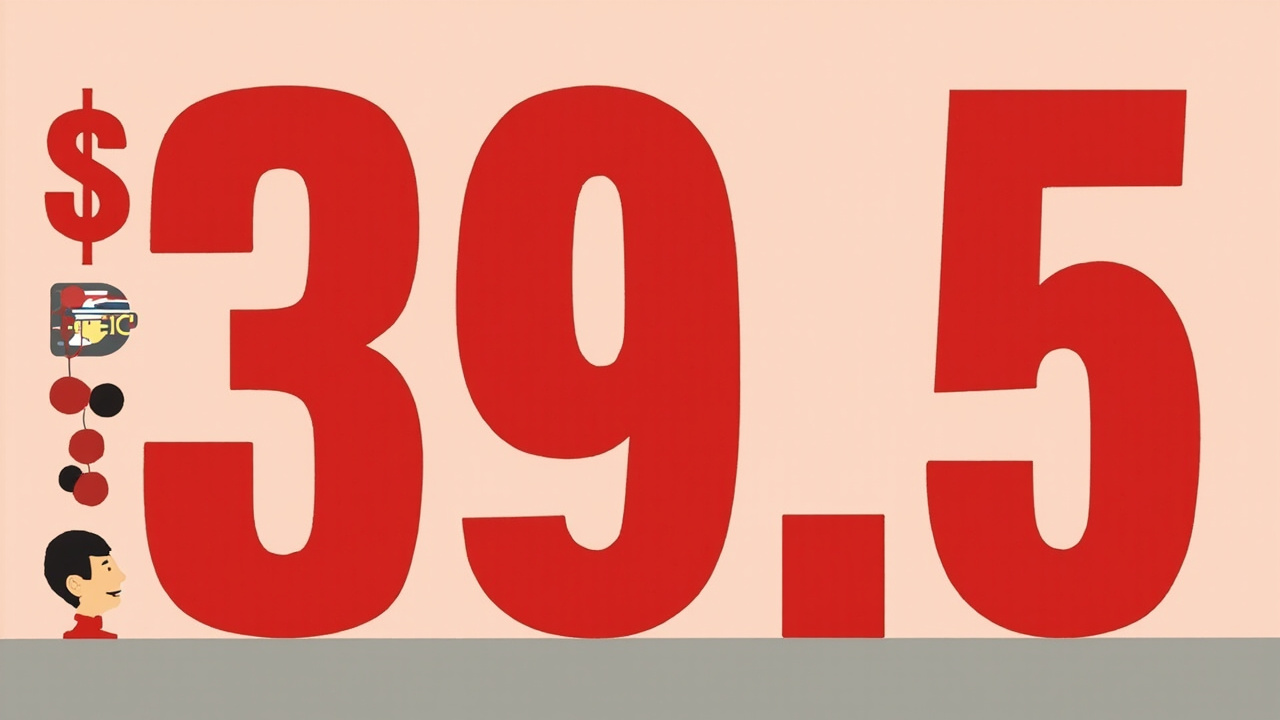
The US national debt has broken through US$39.5 trillion, with annual interest payments alone exceeding US$1 trillion, which is more than Taiwan's entire annual GDP. That figure is directly linked to your US dollar time deposits, your US Treasury bond funds, and your Taiwan Labor Pension. This article breaks down three underlying rules you must understand: why a US debt crisis is not a default crisis but a repricing crisis, why the proposal to use Bitcoin as a strategic reserve has three fatal flaws even if the logic sounds appealing, and how global liquidity repricing transmits into your wallet through Taiwan's foreign reserves and the Labor Pension Fund. It also explains the three concrete moves to make when asset prices get cut in half, the right positioning strategies for Taiwan office workers, young investors, and retirees, and why cash is the slowest form of loss during a repricing cycle that you actually need to outrun.

9 min
Wealth Awakening

Don't Celebrate TWSE 40,000! 90% of Retail Investors Fall into the "Don't Sell" Trap

Taiwan stocks have broken 40,000 points, but your account has not gained a single extra dollar. That is the brutal fact. Taiwanese retail investors are actually the losers in a bull market—the reason is not poor stock-picking, but behavioral bias on entry and exit timing: buying when they shouldn't, selling when they shouldn't, and stubbornly holding when they most need to sell. According to the Taiwan Academy of Banking and Finance, Taiwan retail investors' actual returns in bull markets have significantly lagged the broader market index over the long term. This article breaks down 4 exit discipline iron rules (loss tolerance, time-bound money exclusion, target-return trigger, and the age-plus-stock-ratio 120 rule), 4 practical action steps including age-based target allocations, and 2 Taiwan-specific traps (the high-dividend ETF ex-dividend fill trap, and the TSMC concentration risk making up 30% of the weighted index). It closes with a 30%+ crash emergency plan and the 3-question buy framework. Core line: paper numbers are an illusion handed to you; money in the pocket is your real wealth.

13 min
Wealth Awakening

From All-In on AI to Nothing Left: The 5 Endgame Blind Spots of Taiwan Stock Retail Investors

Three months after going all-in on concept stocks, your account is down to less than half—that is the real story of hundreds of thousands of Taiwanese retail investors last year. Long-term returns for Taiwan retail investors are systematically below the broader market, not because of stock-picking skill, but because of entry-timing bias compounded by hidden costs continuously eating away at returns. This article breaks down 3 underlying rules (behavioral cost as the real erosion, structural market asymmetry against retail investors, and the revenue logic of financial institutions that pushes you to trade more), 3 account-checking scenarios with hard numbers, 4 ironclad veto rules, 4 actionable steps, a four-question decision filter, and age-based application boundaries for fresh graduates, young families, middle-aged parents, and seniors. Pain point: you keep buying high and selling low and cannot explain why. Promise: a reusable framework that puts your trading decisions back in rational control, with concrete rules for each life stage.

15 min
Wealth Awakening

Why Are You the Only One Losing Money in a Booming Taiwan Stock Market? 6 Fatal Retail Investor Mistakes

The Taiwan Weighted Index surged from a 2020 COVID low of roughly 8,000 points to over 20,000 points in 2024, a gain of more than 150% in four years. Yet according to the Securities Investment Trust and Consulting Association (SITCA), the proportion of Taiwanese retail investors who achieve stable long-term profits is far lower than you imagine. The index rises, but you lose to your own psychology. This article breaks down 6 common retail mistakes, 3 real-account scenarios (including the gap between single-stock picks and broad-market ETFs in 2022), 4 ironclad veto rules, 4 actionable steps, and 2 overlooked Taiwan-specific traps (ETF distribution tax mechanics, and the incentive logic behind relationship-manager recommendations). It also includes a panic playbook for sudden drops of more than 20%. The core line: the index rises, but you lose to your own humanity. Action hint: today, audit every position against the 4 veto rules and rebalance before the next session opens.

15 min
Wealth Awakening

S&P 500 vs Nasdaq 100: A 3x Retirement Gap and the Age-Based Golden Ratio

Same NT$6,000 monthly contribution, same 20 years: pick S&P 500 and you end at NT$4.5M, pick Nasdaq 100 and you reach NT$7M — a gap of over NT$2M. But the Nasdaq 100 dropped 83% in the 2000 dot-com bust and needed 15 years to recover, and dropped another 33% in 2022's single year. This article gives you 5底层 rules, an age-based stock-bond golden ratio, and the real criteria for picking an index — so you know how to allocate today. With NT$6,000 monthly DCA over 20 years, S&P 500's 9.8% annualized return produces about NT$4.5M while Nasdaq 100's 13–14% annualized return produces nearly NT$7M. But volatility on Nasdaq 100 runs 30–50% higher than S&P 500. The 2000 dot-com crash saw Nasdaq 100 down 83% with a 15-year recovery; S&P 500 fell 49% with a 7-year recovery. Includes 4 age bands (25–35, 35–50, 50–60, 60+) with concrete stock-bond-ETF allocations, plus a core-satellite framework to manage psychological tolerance. The biggest risk isn't picking the wrong index; it's refusing to adjust after picking wrong.

9 min
Wealth Awakening

S&P 500 at 7,600 and Nasdaq at 27,000! The 3 Places the Wealthy Are Quietly Moving Money

S&P 500 at 7,600 and Nasdaq at 27,000 — your finger is already on the order page. This article breaks down the three places the wealthy move capital at market highs instead of chasing them (short-term Treasuries plus money market funds, relatively cheap defensive sectors, and emergency reserve top-ups), and runs three end-state scenarios comparing lump-sum NT$300K entry at the high vs DCA entry. It closes with three Taiwan-specific blind spots for local investors and a 4-step action plan. The S&P 500's current CAPE ratio is in a relatively elevated zone, meaning new entrants get less future return for the same dollar than three years ago. Recent data shows institutional flows into short-term Treasuries and money market funds have reached historic highs — these investors aren't bearish on stocks, they are simply preserving dry powder. For Taiwanese investors, similar positioning can be done via Taiwan-listed short-term Treasury ETFs, USD time deposits, or USD money market funds. Includes emergency reserve design (6 to 12 months of expenses), bullet allocation (20–30% in short-duration Treasuries), and FX cost transparency for the local market.

10 min
Wealth Awakening

Wiped Out by One Crash? The Same Mistake Every Taiwan Retail Investor Makes: The Sandpile Effect

You poured three years of savings in last month, and this month your account is halved. It's not bad luck or a bad stock pick; your portfolio was already sitting at an invisible tipping point, waiting to collapse. This is the fatal investment blind spot proven by physicists in the sandpile experiment: highly correlated assets fall together in a crash. This article breaks down 3底层 rules, 3 calculations, 4 iron rules, and a 4-step action plan to help you design a portfolio you can keep holding even in the worst moments. Over 60% of Taiwan retail investors concentrate holdings in the electronics sector, with TSMC alone accounting for over 30% of the weighted index. Many investors mistakenly believe buying 10 semiconductor supply chain stocks is diversification, but those 10 stocks have a correlation coefficient near 0.9. The article covers maximum drawdown as the psychological breaking point, the correlation trap that destroys diversification in crisis, the hidden value of rebalancing, and a true comparison showing how NT$1 million lost 59% in the 2008 crash and needed six years to recover. Get a portfolio that lets you survive the avalanche.

14 min
Wealth Awakening

Earning NT$40K But Still Broke? The Dark Formula of Taiwan's Top 3.5% Wealthy

In Taiwan, your salary sets your ceiling, but asset allocation decides whether you break through it. This article dissects the fundamental gap between Taiwan's top 3.5% wealthy and ordinary office workers, not return rates, but three底层 logics: making assets work for you, controlling true total cost, and building an emotion-free financial system. From the 100-minus-age stock-bond formula, savings insurance with 15-20% loading fees, ETF dividend traps, to Second Generation NHI supplemental premium tax tricks, you get an actionable plan to start today. Most Taiwanese salary earners lose 2-3% purchasing power annually to inflation by parking money in low-interest checking accounts. The Taiwan Securities Investment Trust and Consulting Association data shows the average DCA holding period is less than two years. This piece delivers a four-step action plan with four iron rules, two local hidden traps (Second Generation NHI 2.11% levy and dividend-from-capital ETF schemes), and emergency scenario playbooks, helping you build the system that separates the top 3.5% from everyone else.

13 min
Wealth Awakening

When Stocks Crash Hard, the Rich Are Frenzy-Buying Bonds: A 20-Minute Guide to the Wealthy Hedging Play

Stocks crash 30% and your portfolio halves, while the rich enter to buy bonds during the crash. This isn't coincidence — it's the wealth logic they never tell you: bonds aren't a tool to make you rich; they're the moat that stops your wealth from being eaten by market volatility. The median Taiwanese office worker saves only NT$10K–15K a month, and a 30% TAIEX drop can vaporize two years of savings in days; the 2008 GFC took the index down nearly 60% and required nearly 10 years to recover. This article uses 3 underlying rules to unpack the inverse relationship between bond prices and interest rates (Taiwan's Central Bank hiked from 1.125% to 2% across 2022–2023, slashing bond fund NAVs by 15% to 20%), the hidden risk of duration (a 10-year duration bond loses roughly 10% in price for every 1% rate hike), and how the bond products sold to you by Taiwanese bank RMs differ from what the rich actually buy: direct US Treasuries via overseas brokers and low-fee short-duration Treasury ETFs like SHY and IEI. Includes 4 Taiwan-specific blind spots and a 3-step action plan.

8 min
Wealth Awakening

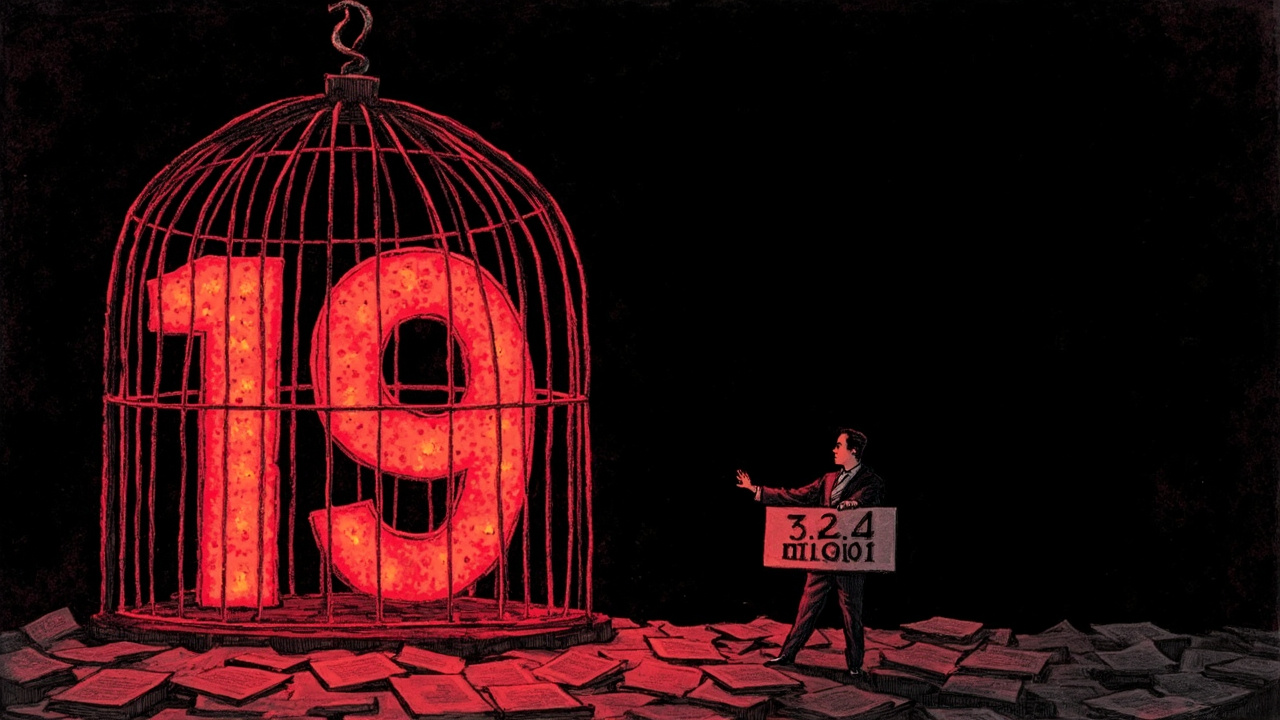
The Mortgage Trap: You're Not Buying a House, You're Buying a 30-Year Cage

Your mom says if you don't buy now it's too late, and your LINE group is buzzing about a classmate's home purchase. But have you really thought about whether that NT$29,547 monthly mortgage, the NT$2 million down-payment opportunity cost, and the 40-year-old apartment it becomes after 30 years is a good deal? A real breakdown of a NT$10 million New Taipei old apartment shows the 30-year total cost approaches NT$19 million — NT$10.63 million in principal and interest, plus NT$2.86 million in lost investment opportunity on the down payment, plus taxes, insurance, management fees, renovation, and selling costs. Meanwhile the renter who invests the NT$9,547 monthly savings difference plus the NT$2 million down payment at 3% ends with NT$9.26 million in assets after 30 years — actually coming out ahead by over NT$2 million. Taipei price-to-income ratios have hit 16x and New Taipei 13x, triple the 6 to 8x of the 1990s. You'll get four veto-proof iron rules including the one-third mortgage-to-income limit and the 10-year minimum holding period so you can make a housing decision no longer held hostage by family pressure.

13 min
Wealth Awakening

Save NT$3,000/Month Into 0050, Roll Into NT$5.5 Million in 30 Years: The Most Reliable Path for Ordinary People

Park your money in a bank savings account and your real purchasing power erodes every year — Taiwan savings rates of 0.1% to 0.2% can't keep up with DGBAS's 2% to 3% 5-year inflation average, which hit 3.05% in 2022. NT$3,000 per month parked in a 1.5% time deposit for 30 years yields about NT$1.3 million nominally, but in real purchasing power equals only NT$700,000 of today's money. This article uses three real calculations to break down 0050's compounding path: at a conservative 7% annualized return, NT$3,000 monthly DCA grows to NT$3.6 million; at 8%, NT$4.3 million; at 9%, approaching NT$5.5 million — but also lays out the brutal truth that 0050 fell nearly 58% in 2008 and 30% in 2020. You'll get 4 iron thresholds every beginner must clear before opening an account, including the 30%/50% drawdown emotional rule that must be written down before emotions kick in, plus 4 actionable steps and advanced reminders about broker fee differences that compound into a non-trivial cost over 30 years.

8 min
Wealth Awakening

Waiting for a Taiwan Stock Crash Before Buying? Retail Timing's Fatal Trap — Missing the Rally Is Worse Than Losing Money

You waited three whole years, Taiwan stocks never dropped, you never got in — and your wealth shrank anyway. Not because you lost money, but because you never earned any. The hidden cost of missing a rally is far worse than paper losses — but you won't see it on a balance sheet. Taiwan's TAIEX has delivered roughly 7% to 8% annualized total return over the past 20 years, and waiting through a 50% run-up before entering means missing opportunity cost that can never be recovered. Three side-by-side calculations in this article show a NT$1 million to NT$1.4 million wealth gap after 20 years between a disciplined DCA investor and a wait-for-crash investor whose effective invested months are only 60% as many. You'll get 3 underlying rules explaining why timing the market is structurally doomed, 4 veto-proof iron rules including a 3 to 5 year minimum time horizon on invested money, and 4 actionable steps to set up automatic DCA on a mid-month trading day and close the app.

15 min
Wealth Awakening

Inflation Era: Holding Cash Means Getting Poorer — 3 Strategies the Wealthy Use to Beat Inflation

You deposit your salary into the bank every month, the number never shrinks, yet your money is quietly disappearing — not stolen, but evaporated bit by bit by inflation. Taiwan's inflation rate hit 3.15% in 2022 while savings accounts paid just 0.2%, meaning inflation eats your money 3 to 10 times faster than you can save it. In real terms, NT$1 million in savings only retains the purchasing power of NT$975,000 after a year of 2.5% inflation, and a young worker saving NT$5,000 a month for 10 years sees NT$140,000 of those savings silently stolen by rising prices. This article breaks down 3 underlying strategies the wealthy use to fight inflation: the dual-bucket structure that splits life-saving money from money-at-work money, dollar-cost averaging into the 0050 ETF, and Taiwan Labor Pension voluntary contributions of 6% for tax savings that can save roughly NT$3,500 a year in tax for a 12% bracket earner. You'll also get 4 non-negotiable iron rules, 4 concrete action steps you can take today, and an emergency protocol to follow when markets crash 30% or more.

15 min
Wealth Awakening

Park NT$500K This Way, Collect NT$20K/Month — 94% Don't Know

You have NT$500,000 in a savings account earning NT$4,000 a year in interest, but inflation eats NT$10,000 of purchasing power annually. Split the money into four layers — high-dividend ETFs (0056 or 00878), U.S. Treasury bond ETFs (00687B), inverse-hedge tools, and an emergency reserve — combine that with dividend reinvestment and disciplined monthly saving, and within three years your passive income can exceed your monthly salary. This article breaks down the actual allocation ratios, year-by-year compounding projections from year one to year three, and explains why banks, RMs, and investment-guru teachers will never teach you this playbook. You will see how 0056/00878 high-dividend ETFs at 6–7% yield and 00687B U.S. Treasury bond ETFs at 4–5% generate a baseline NT$1,500–1,800 of monthly passive income in year one, growing to NT$3,000+ in year three and over NT$60,000/year in year five. The article also covers the structural fee and interest-spread game banks play, the 2.11% second-generation NHI surcharge on dividends above NT$20,000, and why daily-rebalancing inverse ETFs erode over time and should only be used as short-term hedges. By the end you will have a concrete, executable NT$500K-to-financial-freedom plan that takes the next 1,095 days to unfold.


7 min
Wealth Awakening

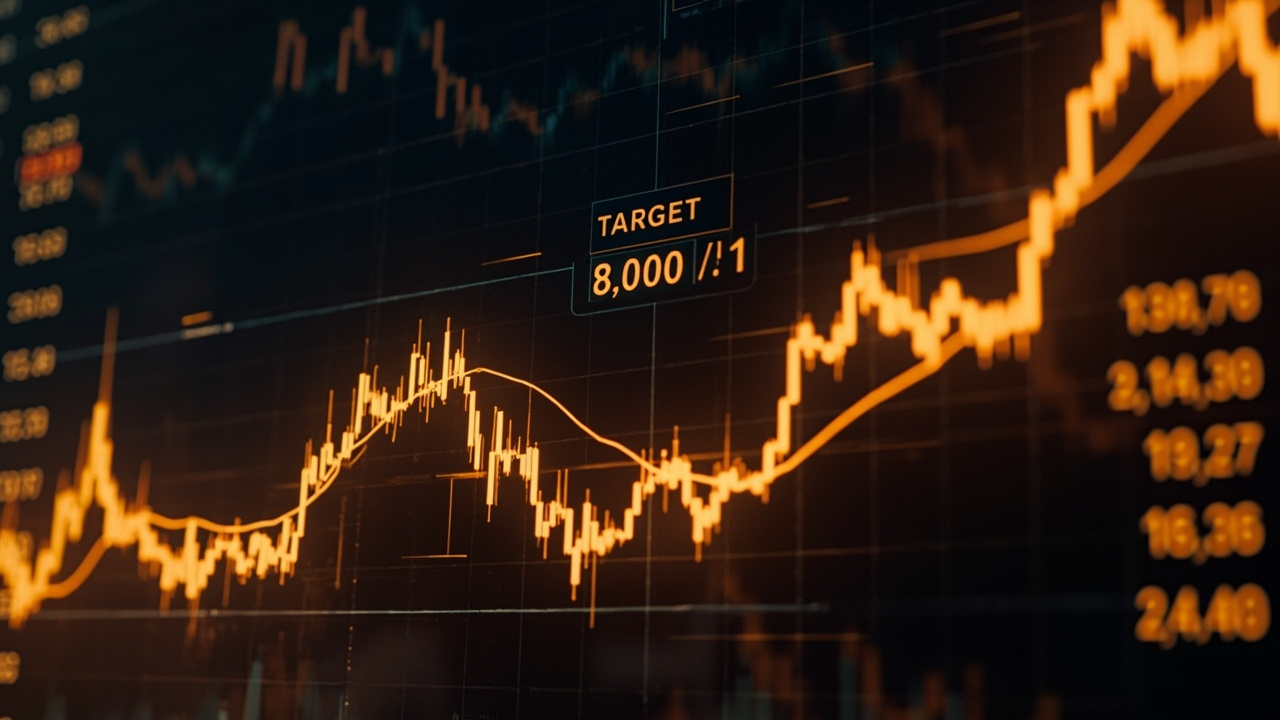
Goldman Sees S&P 8000 — 3 Fatal Mistakes Taiwan Retail Will Make

Goldman just lifted its S&P 500 target above 6,500 with some analysts seeing 8,000, calling for an 18-to-24-month super-bull market. Taiwan retail investors are most likely to make three fatal mistakes in the heated sentiment: treating behavioral costs as returns, choosing the wrong channel that hides fees, and being led by financial institutions' commercial interests. Using Taiwan Stock Exchange data on retail trading frequency versus institutions, FSC disclosure on offshore-fund expense ratios, and the U.S. estate-tax exposure of NT$60,000 / 40% bracket for non-citizens, this article breaks down three underlying rules, three calculation sets, four veto iron rules, and a four-step action plan to help you preserve wealth before the bull market actually ends. You will learn why the gap between 4% and 8% annualized over 20 years amounts to over NT$2.2 million, how to check the total expense ratio of any Taiwan-listed U.S.-equity ETF via SITCA, and why inheritance-tax and currency-hedging costs are two Taiwan-local advanced traps hidden in plain sight. By the end you will know whether your current allocation can survive a 30% drawdown — and whether you should even add right now.
16 min
Wealth Awakening

The Diversification Trap: Why 90% of Taiwan Stock Beginners Fake-Diversify

You bought ten Taiwan stocks and watched them all plunge together, your account down NT$300,000. The problem is not that diversification is wrong, but that you fundamentally misunderstood what diversification means. Nine out of ten Taiwan beginners practice fake diversification: they spread their eggs across ten tech-stock baskets that all ride the same ship. Using real 2022 Taiwan market correction data, a three-question decision framework, and two Taiwan-specific advanced traps (tracking error, dividend tax), this article redefines what true diversification actually looks like. By the end, you will know exactly when to concentrate, when to diversify, and how to avoid the costly illusion of safety that wipes out nine out of ten new investors. The actionable four-step plan starts today.

12 min