
Have you ever had this moment — at 2 a.m., the kids finally asleep, you switch off the lamp, and your bank’s app pops up this month’s mortgage deduction notification. You take a deep breath, mentally calculating: salary minus mortgage, minus tutoring fees, minus groceries, minus parking, minus management fees — another month gone for nothing. Then you scroll past a piece of news: the central bank keeps the benchmark rate unchanged, with the 10-year government bond yield ticking down slightly. You stare at those words — you know every one of them, but put together they read like a foreign language.
You think: what’s this got to do with me? Will it make my mortgage smaller? You swipe past. But what you don’t know is that this thing you don’t understand is squeezing the life out of your mortgage rate, next month’s paycheck at your company, and even that pitiful return in your stock account. It’s like the elephant in the room — affected by it every day, but never once looking it in the eye.
That invisible giant is the bond market. It’s far larger than the stock market. The daily ups and downs of the prices you stare at are tiny waves compared to it — yet most people don’t even know it exists.
1. Bonds Are Not Highbrow at All — They’re Just an IOU With a Name and a Face
What’s the best way for ordinary people to understand something? Use a relatable example.
Imagine your brother comes to you: "Bro, I want to open a milk-tea franchise, I still need NT200,000 principal, plus NT200,000 today and put it in a time deposit yourself, you’d also earn a few thousand in a year. Once you give it to him, you miss out on that return. That’s called opportunity cost. Of course he has to compensate you — that NT$10,000 is the compensation.
Alright, have him write a piece of paper: “My brother, so-and-so, today borrowed NT200,000 principal plus NT$10,000 interest on this day next year.” That piece of paper is a bond. It’s that simple.
A bond is just an IOU with a name and a face — clearly written on it: who borrowed it, how much, when it’s repaid, and how much interest. Individuals borrow money, and so do companies and governments. A company wanting to expand production, but short on cash, borrows from the market — the IOU it writes is called a corporate bond. A government needing to build roads or hospitals, when tax revenue can’t be collected fast enough, also borrows from the market — the IOU the government writes is called a government bond. The national debt you’ve heard about is government-level bonds.
So you see, bonds aren’t highbrow at all — they’re the most plain-and-simple borrowing-and-repaying contracts in our daily lives.

2. Why Don’t the Rich Speculate in Stocks and Instead Snap Up Bonds?
If a bond is just an IOU, why do those villa-dwelling rich people put their money into bonds instead of going all-in on stocks to double their money? The answer is simple: two words — safety.
Think about it — when you lend money to your brother, what are you most afraid of? That his business fails, that he runs off, and you never get the NT$200,000 principal back. That’s called credit risk. But now think: what if you lent the money to your city government — or even the country? You might say governments can go bankrupt too — in theory they can, but the probability is extremely low. You might fight with your neighbor and they could move out tomorrow, but a country has an army, tax revenue, and a printing press — the chance of it defaulting is negligible.
That’s the first reason the rich buy bonds: credit risk is almost zero, and the principal is almost guaranteed to come back.
The second reason is more down-to-earth. The rich don’t have just one slice of wealth — they have ten, twenty slices. What they need isn’t a single bet doubling in value — it’s making their entire asset portfolio “sleepable.” A person with NT300 million of that is in quality bonds yielding 4–5% a year, they steadily collect NT15 million in interest annually — that’s what底气 (confidence) looks like. That confidence lets them dare to add to stocks during panic, or step into real estate at the low — because their cash flow never breaks.

The poor save to “accumulate principal”; the rich buy bonds to “build confidence.” The starting points are completely different. Do you think the rich are stupid? They’re just playing by rules you haven’t reached yet.
3. What Is Yield? Understand Bond Prices in One Minute
You’ve definitely heard the phrase “government bond yields rise, bond prices fall” — but what does it actually mean?
Yield is the proportion of interest you get back each year relative to the principal you lent out. The higher the yield, the higher the return you receive. The lower the yield, the lower the return.
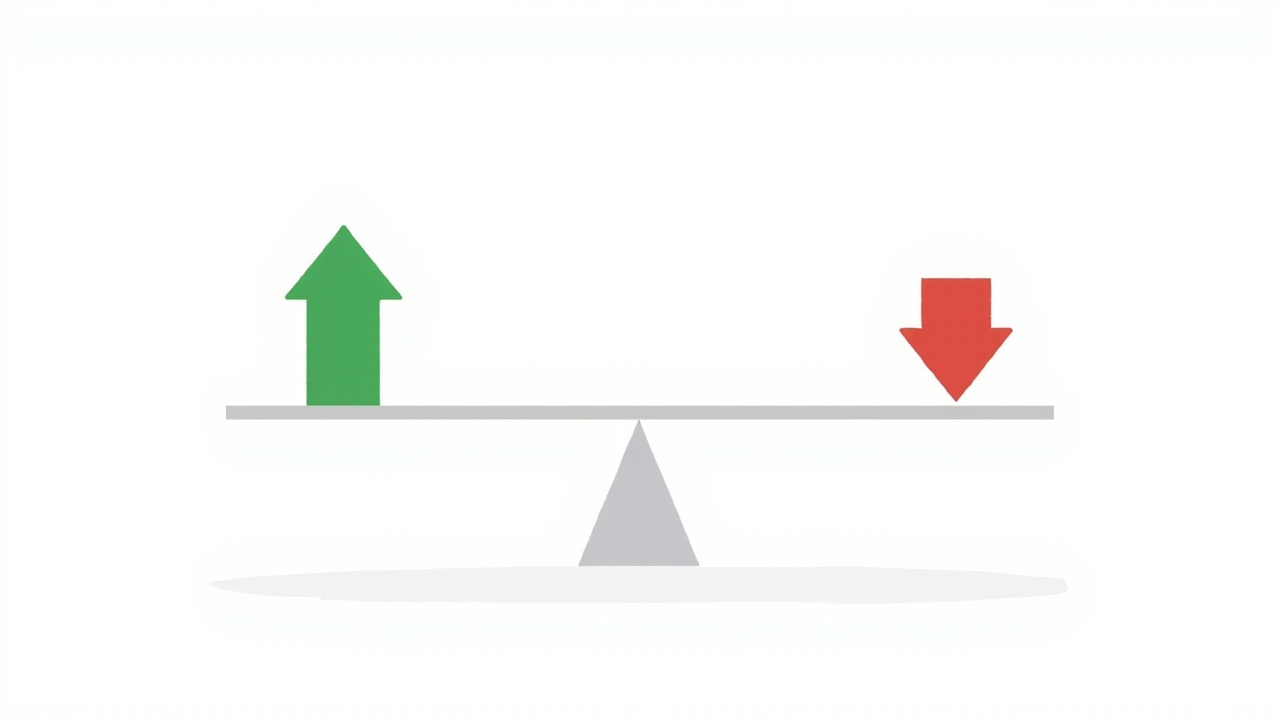
But here’s the counterintuitive key: bond prices and yields move in opposite directions. When the market is rushing to buy bonds, prices get pushed up, but the interest you collect each year is fixed (locked in at issuance), so the yield you actually get falls. Conversely, when everyone is selling bonds and prices fall, yields rise.
It’s like a movie ticket: when the price is bid up, the “value-per-dollar of watching the movie” actually drops. So when the news says “yields are rising,” it’s bad news for people already holding bonds (the bonds they hold become cheaper), but good news for people wanting to buy bonds (they can buy at a cheaper price).
4. How Can Ordinary People Catch This Train? Three Beginner Paths
You might say: “OK, I get it, but I’m a small saver — can I buy bonds without a few million?” The answer is yes. Today’s financial markets have already packaged bonds into small-investor-friendly tools — the threshold is much lower than you imagine.
Path 1: Buy bond ETFs. This is the simplest way. You don’t have to pick individual bonds yourself — buying one ETF means you’re buying a basket of bonds at once, diversifying risk. Common examples include the 20+ Year U.S. Treasury Bond ETF (TLT), the Investment Grade Corporate Bond ETF (LQD), emerging market bond ETFs, and so on. The downside is that ETF prices still fluctuate — you may see paper losses in the short term after buying.
Path 2: Buy bond funds. A professional manager picks the bond portfolio for you and actively adjusts duration and credit rating. Suited for people without time to research who want to hand it to a professional. The downside is management fees — and the manager doesn’t always get it right.
Path 3: Buy bonds directly. Through your broker’s “bond counter,” buy bonds one by one — for example, corporate bonds issued by TSMC, by Chunghwa Telecom, or Taiwanese government bonds. The upside is that at maturity, you get back the full principal and the coupon interest. The downside is that the minimum lot is usually NT1,000,000, and liquidity is poorer.
5. Conclusion: The Poor’s Last Chance to Turn Things Around Is Not the Stock Market — It’s This IOU
The bond market has never been the exclusive privilege of the rich — it’s just a classroom the poor are very late to.
We were once taught “save hard, buy stocks, turn your life around,” but when the volatility of the stock market keeps you awake at night, when you realize your salary alone will never catch up with housing prices, the value of bonds shines through — they don’t give you the fantasy of getting rich quick, but a steady monthly cash flow landing in your account.
This cash flow isn’t pocket money — it’s the capital that lets you add to stocks at the bottom, the safety net that means you don’t have to sell your blood plasma when you lose your job, the buffer that means you don’t have to borrow from everyone when your family needs emergency medical care.
Once you start having a cash flow that doesn’t depend on your body, doesn’t depend on luck, and grows by itself every day, you change from “someone chased by money” to “someone letting money work for them.” The starting point of that road is your willingness to face up to that “IOU with a name and a face.”
Stop letting that invisible elephant keep hiding in your living room unnoticed. It’s not your enemy — it’s a tool you never used.
This content is the author’s personal sharing of financial concepts, not investment advice. Bond prices are affected by interest-rate movements, credit risk, exchange rates, and other factors. Past performance does not represent future returns. Please carefully assess your own risk tolerance before investing, and consult a qualified financial advisor.
Disclaimer: This article shares investment and financial-management concepts and information, and does not constitute any specific investment, tax, or legal advice. Markets involve risk; invest with caution. Please make independent judgments based on your own risk tolerance and consult a professional advisor.
Tags
債券投資, US Treasuries, 公司債, Yield, Asset Allocation, 窮人存錢, 富人理財, Cash Flow, Opportunity Cost, Central Bank Rate, Investing Beginners, Passive Income
Comments