You deposit your salary into the bank every month, the number never shrinks, yet your money is quietly disappearing — not stolen by anyone, but evaporated bit by bit by inflation.
You think holding cash is the safest move, but according to Taiwan’s Directorate-General of Budget, Accounting and Statistics (DGBAS), Taiwan’s full-year inflation rate in 2022 hit 3.15%, the highest in nearly 14 years. In 2023 it eased slightly but still stayed around 2.5% all year. The money you park in a bank savings account earns just 0.2% to 0.8%, so inflation eats your money roughly 3 to 10 times faster than you can save it.
Five years ago NT1,200; you go to the supermarket for the same groceries and the bill keeps climbing. Your salary hasn’t risen much, but your cost of living keeps going up — you aren’t spending more lavishly, your money itself is getting thinner.
The academic definition of inflation is the decline of purchasing power — the same amount of money buys fewer and fewer things. Taiwan’s FSC (Financial Supervisory Commission) and academia both define it clearly. Inflation isn’t a problem with your spending habits; it’s the persistent rise in overall price levels that shrinks the real value of the money in your hands.
Put plainly: inflation means your money is sleeping while prices are running. If you don’t move, you lose.
An Account That Will Wake You Up
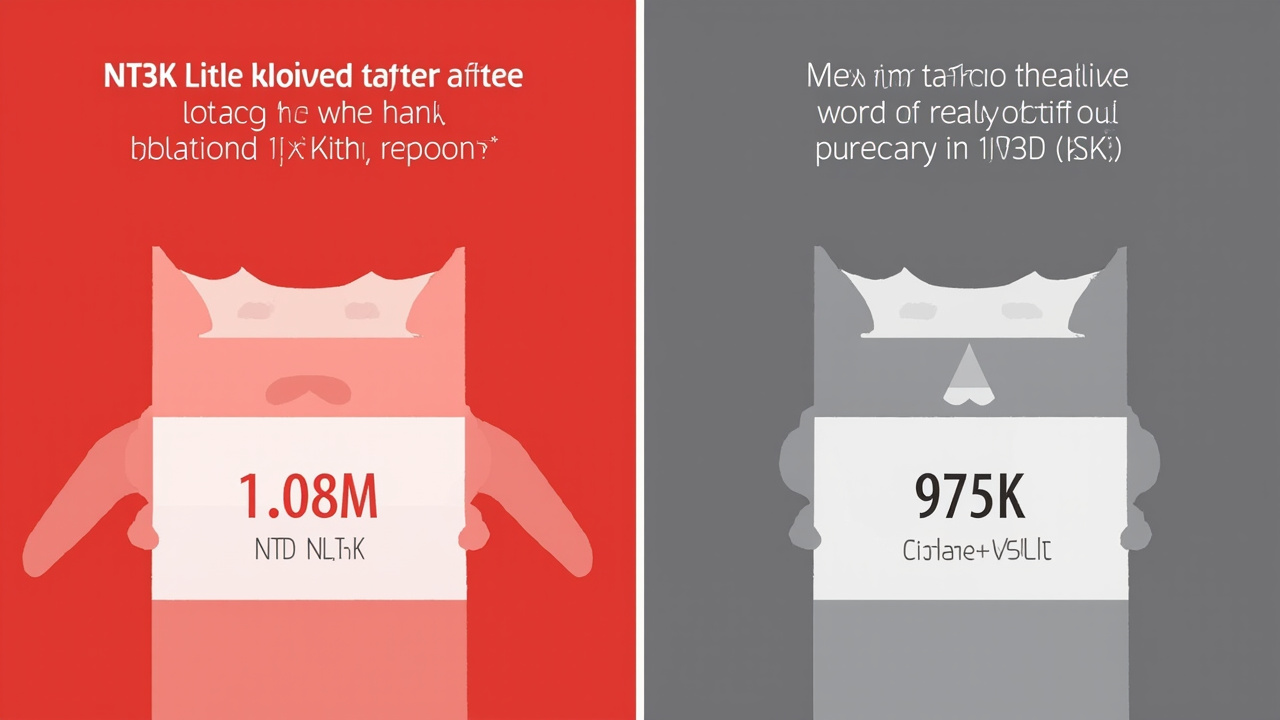
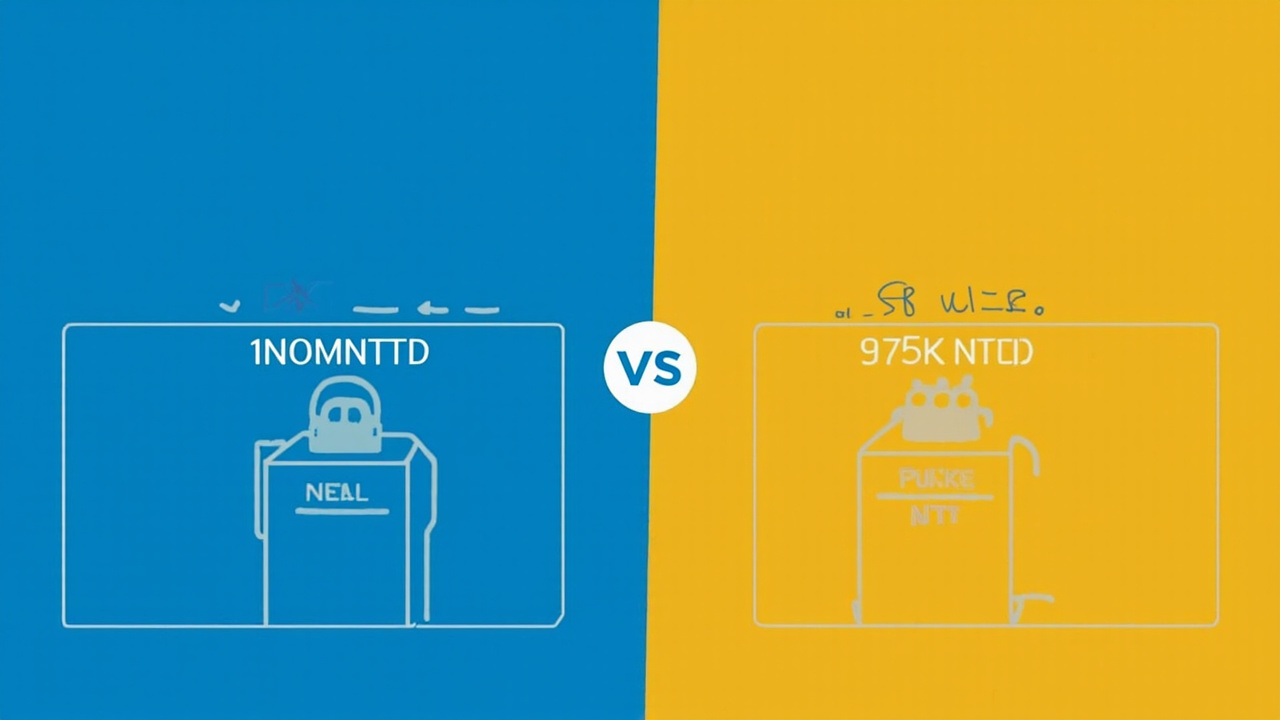
Suppose you currently have NT8,000 in interest, and the nominal balance becomes NT975,000**.
The nominal number goes up, but real purchasing power loses nearly NT8,000, but in fact your wealth shrunk by NT$17,000. This isn’t a one-year issue — it happens every single year.
If you’re a fresh graduate just entering the workforce with a monthly salary of NT5,000 a month, you save NT600,000 over ten years. But if inflation keeps eroding at 2.5%, the NT460,000 — of the ten years of diligent saving, nearly NT$140,000 got eaten by inflation.
Does that sound reasonable? You save hard but end up poorer — that is the real cost of clinging to cash.
Underlying Rule 1: Taiwan Bank Deposits Preserve Your Principal, Not Your Value
According to the Central Bank of the Republic of China (Taiwan), one-year time deposit posted rates run roughly 1.6% to 1.8%, and savings account rates are even lower at about 0.2% to 0.8%. But DGBAS data shows Taiwan’s average inflation rate over the past 5 years has been roughly 1.8% to 3.2%.
The interest your bank pays cannot beat inflation, so you are effectively losing money every year.
Here is a cognitive blind spot that many beginners don’t know: Taiwan bank deposit rates preserve your principal, they don’t preserve your purchasing power. Preserving principal means your NT1,000,000 plus interest when the term ends — the number doesn’t shrink. Preserving value means what your money can buy doesn’t shrink. These are two completely different things, but bank advertising never bothers to spell out the difference.
In the inflation era, letting your money stand still is the biggest risk of all.
Underlying Rule 2: Long-Term Holdings of Inflation-Beating Assets Are the Fundamental Solution
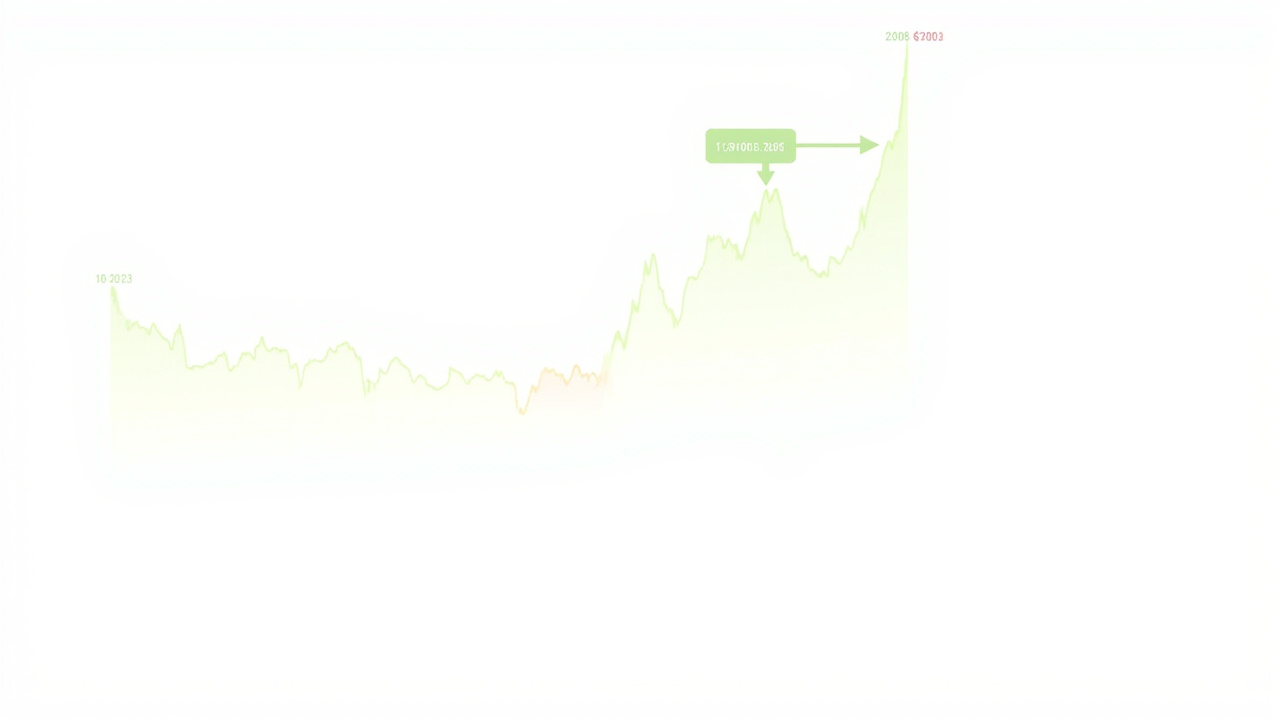
According to the Taiwan Stock Exchange, the Taiwan Capitalization Weighted Stock Index (TAIEX) rose from around 5,000 points at the end of 2003 to over 17,000 points by the end of 2023 — a 20-year annualized return of roughly 7% to 8%, far exceeding the average inflation rate over the same period.
Of course there were bumps along the way. During the 2008 Global Financial Crisis, the index fell from over 9,000 points to around 3,000 points, a maximum drawdown exceeding 60%, and recovery took nearly five years. When COVID hit in 2020, the index dropped nearly 30% in a single month. These are extreme black swan events that actually happened.
So let’s be clear: long-term investing in the stock market or other inflation-beating assets is not risk-free, but assuming you can tolerate volatility and have enough time to wait, historical data shows it is one effective anti-inflation tool. However, if you’ll need the money within 3 years, or you psychologically can’t handle seeing your portfolio shrink 30% or more on paper in the short term, then you should not put all of that money into high-volatility assets — these are conditions of applicability that cannot be ignored.
Underlying Rule 3: Taiwan Financial Institutions’ Product Design Has Hidden Conflict-of-Interest Chains
Taiwan bank relationship managers (RMs) carry sales performance quotas. According to multiple FSC financial consumer dispute reports, when Taiwanese investors buy funds distributed through bank channels, they often face subscription fees plus annual management fees, with total costs potentially reaching 1.5% to 3% or more.
If the fund you buy only delivers 4% to 5% annualized returns, fees alone eat nearly half your returns.
More critically, Securities Investment Trust & Consulting Association (SITCA) data shows the long-term hit rate of actively managed funds beating the benchmark in Taiwan is quite low. After fees, most actively managed funds actually underperform their underlying index over the long term.
This isn’t to say actively managed funds have no value — it’s that you need to understand the real ratio between the costs you pay and the returns you receive before deciding.

The 3 Strategies the Wealthy Use Against Inflation
Strategy 1: Build a Dual-Bucket Structure — Cash Lifeboat + Inflation-Beating Asset Bucket
Don’t put all your money in one place.
The cash lifeboat is defined as 3–6 months of living expenses that you must keep in highly liquid, instantly accessible form, such as a bank savings or time deposit account. This money isn’t for making returns — it’s for saving your life. Parking this portion in the bank is perfectly reasonable because its core function is liquidity, not return.
The inflation-beating asset bucket is defined as funds beyond your 3–6 months of living expenses that you won’t need for at least 5 years. Those are what you may consider allocating to assets that can beat inflation, such as Taiwan-listed ETFs or other compliant financial products that match your risk tolerance. The wording here is “consider allocating” not “must allocate,” because everyone’s risk tolerance, financial situation, and investment goals are different.
The core logic of this dual-bucket structure is that life-saving money and money-at-work money should be managed separately — different purposes, different tools, different logic. Many people don’t lose money because they pick the wrong tool; they lose because they use the wrong pool of money for the wrong kind of allocation.
Strategy 2: Use Taiwan Domestic Index ETFs with Dollar-Cost Averaging
Taiwan currently has multiple ETFs tracking the TAIEX or other broad-based indices. One example is the Yuanta Taiwan 50 ETF (ticker 0050), one of Taiwan’s largest ETFs. According to SITCA’s public information, it tracks the top 50 listed companies in Taiwan by market capitalization and has a relatively low expense ratio.
Dollar-cost averaging (DCA) means investing a fixed amount every month regardless of whether the market rises or falls, spreading your entry points over time and reducing the risk of going all-in at a market top.
Here is a calculation to make it concrete: Suppose you start DCAing NT360,000. Based on the TAIEX’s trajectory over those 10 years, that NT700,000 to NT$800,000** by the end of 2023, an annualized return of about 7% to 8%.
Of course you’ll live through the 2020 crash, when your assets may briefly shrink more than 20%. You must be able to handle that psychological pressure. If you panic and sell in March 2020, you lock in the loss and miss the subsequent rebound.
But what about extreme scenarios? In 2008 the TAIEX fell more than 60% from its peak. If you had lump-sum invested a large sum at the end of 2007, your paper losses would have been brutal, and recovery took nearly 5 years. That’s why DCA suits ordinary people better than lump-sum investing — it spreads out the worst-case impact, though it can’t eliminate risk entirely.
If you’re a retiree close to retirement, this method may not be right for you — your time horizon isn’t long enough to wait for the market to recover from an extreme drawdown. Your strategy focus should be capital preservation, not pursuing high returns. That boundary must be clear.
Strategy 3: Maximize the 6% Voluntary Taiwan Labor Pension Contribution — Let Government and Employer Fight Inflation for You
This is a strategy many people know but few use well. According to the Ministry of Labor, Taiwan’s Labor Pension system allows workers to make voluntary personal contributions up to 6% on top of the employer’s mandatory contribution. The voluntary portion enjoys tax benefits — the contributed amount can be deducted from your current year’s salary income, directly lowering your income tax liability.
Here is a real calculation many advanced viewers also haven’t done clearly: assume you earn NT2,400 per month, or NT3,500 in tax each year**.
The tax savings effectively subsidize your retirement investment cost. The Labor Pension Fund’s investment return, per the Ministry of Labor’s annual actuarial report, has averaged roughly 4% to 6% over the past 5 years. Although that isn’t high, combined with the tax benefit and the employer contribution, the overall effect is a fairly cost-effective anti-inflation tool for salaried workers — and the risk is borne by the government, not by you personally.
4 Iron Rules: Prerequisites You Must Confirm Before Acting
- You must have more than 3 months of living expenses set aside as a cash emergency fund before considering allocating other funds to higher-volatility assets. This applies to everyone, no exceptions. If you don’t even have an emergency fund, any investment is taking unnecessary risk.
- The money you allocate to ETFs or other higher-volatility assets must be idle funds you definitely won’t need within 5 years. If you’re buying a home in 2 years or paying for your kid’s tuition in 3 years, that money should not enter the market. With a shorter time horizon you can’t tolerate a normal market cycle.
- Your monthly investment amount cannot exceed 50% of what remains after you deduct all fixed expenses from monthly income. This ratio is not an absolute standard — it’s a conservative baseline for ordinary people. If your financial situation is special (for example, large debts or imminent major expenses), the ratio should be lower. The core logic is that investing must not squeeze your normal quality of life.
- You must be able to accept your portfolio shrinking 30% or more in the short term without making a panic-selling decision. If you can’t do that, you shouldn’t allocate to high-volatility assets, no matter how attractive the return looks. This isn’t about mindset — it’s your actual risk tolerance, and you must face it honestly.
4 Steps to Take Today
- Open your internet banking or mobile banking app and split your existing deposits into two accounts: one is your emergency fund account holding 3–6 months of living expenses, parked in savings or short-term time deposits and not touched; the other is your investable account holding funds you won’t need for 5 years. If you don’t yet have enough emergency fund, stop and make accumulating that fund your first priority.
- Check your Labor Pension voluntary contribution status. Log into the e-Service System of the Bureau of Labor Insurance, Ministry of Labor, or contact your HR, and confirm your current voluntary contribution rate. If you haven’t started, estimate your income and tax bracket, calculate how much tax you could save, then decide whether to adjust. This step requires no investment knowledge — just 10 minutes to confirm one thing.
- If you already have funds in your investable account and meet the 4 iron rules above, consider opening a Taiwan domestic brokerage account, choose an ETF tracking a Taiwan broad-based index, and set up a monthly DCA amount. The starting amount doesn’t matter — what matters is building the habit and discipline of investing a fixed amount each month regardless of market moves.
- Do a financial check-up once a year, ideally in January. Take stock of your emergency fund, investable account, and Labor Pension balance, and compare against last year’s inflation data to see whether your real purchasing power has actually grown. If the allocation ratio has drifted too far, do one rebalancing adjustment. This isn’t about frequent trading — it’s an annual systematic confirmation.
2 Taiwan-Specific Advanced Pitfalls to Avoid
First: tracking error and premium/discount of Taiwan ETFs. Tracking error is the gap between an ETF’s actual return and the index it tracks. According to SITCA public data, tracking errors can range from 0.1% to over 1% across different ETFs. For long-term investors, the smaller the tracking error, the closer your return is to the index itself. When choosing an ETF, look at both the expense ratio and tracking error — these two numbers together reflect your true holding cost.
In addition, when market volatility spikes, some ETFs’ market prices diverge from net asset value via premium or discount. If you buy at a premium, you’re paying an extra hidden cost. This detail is clearly explained in FSC investor education materials, but most people never check it when buying ETFs.
Second: Taiwan’s income tax system taxes different asset classes differently. According to the Ministry of Finance, capital gains on Taiwan-listed stocks are currently not taxed, but dividend income must be included in personal comprehensive income tax or taxed separately at 28%. If you’re in the high-income bracket above 28%, separate taxation at 28% is more favorable; if your comprehensive income tax rate is below 28%, combined filing saves more.
This judgment depends on each individual’s situation. It’s recommended to consult a properly licensed Taiwan tax professional rather than guess.
Emergency Protocol for Extreme Scenarios
If the market experiences an extreme crash similar to the 2008 Global Financial Crisis or the 2020 COVID pandemic, your portfolio could shrink more than 30% in a short time. What should you do?
The answer is: do nothing, unless your financial situation has fundamentally changed (for example, job loss or a major emergency expense). If your emergency fund is intact and your investable money is truly idle for 5+ years, short-term market drops have no real impact on your daily life.
Historical data shows the TAIEX has always recovered to higher levels after every major crash, but that’s history, not a guarantee. What you can do is make sure you don’t need to be forced to sell at the worst moment — that is real risk management.
If during an extreme drop you find the psychological pressure is seriously affecting your life, that means your allocation ratio exceeded your actual risk tolerance from the start. That’s an important signal of self-awareness, not a market problem.
Final Words
Before deciding on every sum of money, ask yourself three questions:
- How many years from now will I need this money?
- How much drawdown can I tolerate?
- What hidden cost am I paying for this money?
Once you think through these three questions, every financial decision you make will be more solid than before.
In the inflation era, letting your money stand still is the biggest risk. But the prerequisite is that you must first understand your own risk tolerance before deciding how to let your money move. This sentence bears repeating three times today, because it’s true.
This article is for financial education purposes only and does not constitute any investment advice or solicitation. All investments carry risk, and past performance does not guarantee future results. Before making any investment decision, please assess your personal financial situation and risk tolerance, and consult a properly licensed Taiwan financial advisor and tax professional. The subscription and investment of Taiwan financial products must comply with the regulations of the FSC (Financial Supervisory Commission).
Disclaimer: This article shares investment and financial concepts and information; it does not constitute any specific investment, tax, or legal advice. Markets carry risk; invest with caution. Please make independent judgments based on your own risk tolerance and consult professional advisors.
Tags
Inflation, Cash Purchasing Power, Inflation Hedge, Emergency Fund, DCA, 0050, Voluntary Pension Contribution, Tax Optimization, ETF, Asset Allocation, Taiwan Inflation, Pension
Comments