
You think tucking your money safely into a bank is the most grounded sense of security? You watch the number in your account slowly rise and assume your wealth is steadily accumulating—yet you fail to notice that the daily cost of groceries, utilities, and gas is quietly hollowing out your purchasing power.
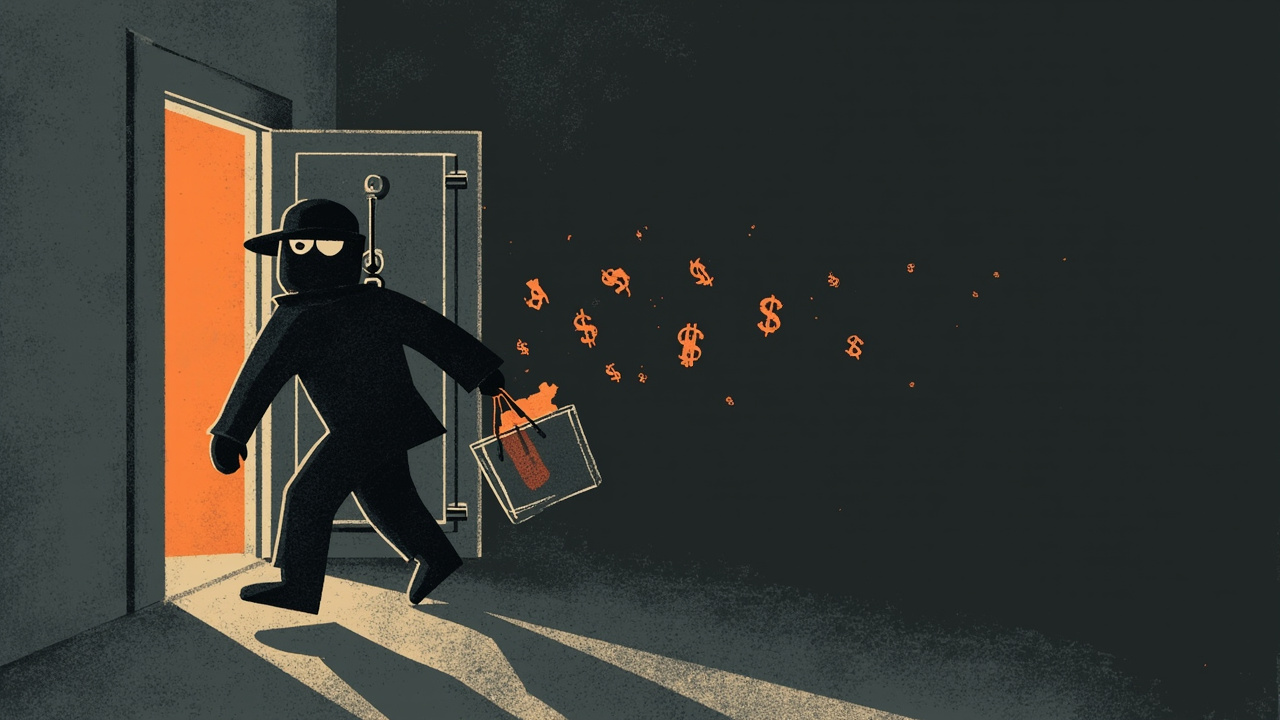
You envy those who can hold onto their wealth—even grow it—through economic turbulence, but you don’t realize they long ago abandoned the old “cash is king” mindset and unlocked the wealth code of the inflationary era. Today I’m going to completely shatter every illusion you have about cash and tell you a brutal truth that countless people overlook: Holding large amounts of cash for the long term isn’t conservatism—it’s the most dangerous form of financial suicide.
Real wealth was never built by stubbornly saving; it was built by precise asset allocation—riding the wave of inflation instead of drowning in it.
1. Your Parents’ Savings Logic No Longer Works: Deposit Rates Can’t Keep Up with Prices
Many people’s understanding of cash is still anchored in their parents’ generation. Decades ago, depositing money earned high interest that beat inflation—saving was a steady path to wealth. In those days, bank deposit rates were sky-high, and even an ordinary one-year time deposit produced interest that could cover daily expenses, with room to spare.
That was an era when saving was king—diligent saving slowly accumulated a house, a car, a retirement nest egg. But times have changed. That once-correct financial logic is now completely obsolete. Today’s bank deposit rates have bottomed out—one-year time deposit rates linger near record lows, and even medium- and long-term deposit yields are barely worth mentioning.
The interest you earn on a deposit over a year may be less than the cost of a single dinner out or one weekend trip. Worse, inflation is like a silent thief, stealing your cash’s purchasing power every single day. The number in your account hasn’t dropped—it’s even grown a little in interest—but what it can buy keeps shrinking.

Things that once cost a certain amount now cost noticeably more. Savings that once covered a down payment can’t even get close. Nest eggs that once supported a family for years now look thinner and thinner against rising prices. This is not your imagination—it’s the inevitable fate of cash in the face of inflation.
2. Cash Itself Creates No Value: The Underlying Logic of Fiat Currency
Cash, by itself, creates no value. It is merely a medium of exchange. As more money floods the market and production and labor costs keep climbing, cash’s purchasing power is steadily diluted. Picture a block of ice sitting in the sun: it still looks like one solid piece, but its volume and weight are quietly melting away—until, eventually, it disappears.
Many people will say, “I’m not chasing gains; I just want to not lose money.” What they don’t realize is that in an inflationary era, not losing is itself a loss. Even if you lock your money in a safe and never touch it, in ten or twenty years its real value will be significantly diminished.
This isn’t fearmongering—it’s the underlying logic of the monetary system. Fiat currency is, by design, mildly inflationary. Governments, seeking to ease debt burdens and stimulate growth, routinely use monetary easing to manage the economy. The cost of all that ultimately shows up in the purchasing power of the cash sitting in your hands.
3. The Cruel Math of Time Deposits: NT$1 Million on Deposit vs. Real Purchasing-Power Erosion
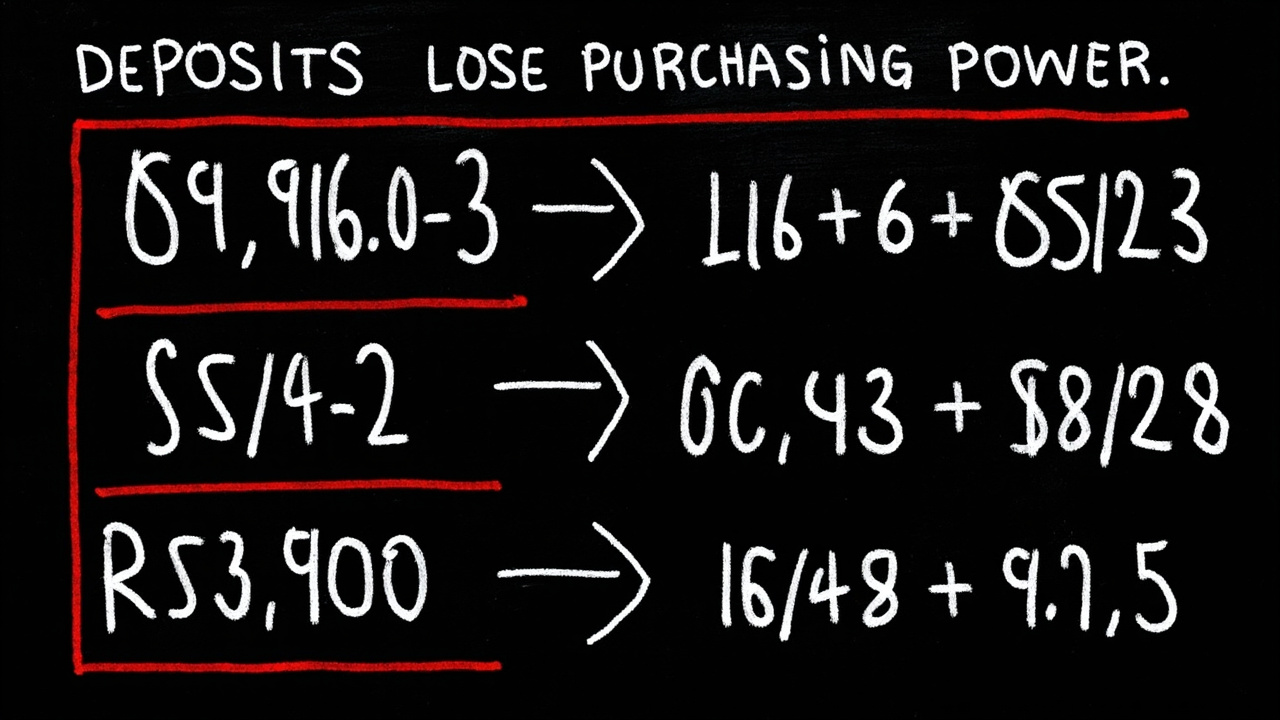
Let’s run a simple calculation to feel the “silent robbery” in action. Suppose you have NT1.015 million.** The headline number grew by NT$15,000—looks like a win.
But if inflation over the same period runs at 2.5%, your real purchasing power becomes: NT990,200. In other words, the number grew by NT10,000. The “interest” you saw was actually a negative return.
Extend the time horizon to 10 or 20 years, and the power of negative compounding can shrink your real assets by a third or more. This is why the older generation’s belief that “saving is the safest” has become the most dangerous piece of financial advice in our era.
4. From Cash to Asset Allocation: What Should Ordinary People Do?
Once you recognize the danger of cash, what’s the move for an ordinary person? The key isn’t “stop saving”—it’s “let your money flow into assets that fight inflation.” Below are three starting strategies suited to most people:
First, after building an emergency fund, stop letting the rest of your money sit idle. Keep six to twelve months of living expenses as liquid reserves, and steer the rest into assets that can keep pace with inflation—for example, allocating a portion to assets that adjust with prices.
Second, shift from “cash is king” to “asset allocation is king.” Real wealth isn’t the number in your account—it’s the real purchasing power behind that number. Put your money into assets that grow in value and rise with the economy. That is “saving” in this era.
Third, invest in your own “human capital.” In an inflationary era, the thing most easily diluted by inflation is your labor time. By learning new skills and raising your professional value, you can make your income grow faster than prices. That is the most powerful anti-inflation weapon anyone can wield.

Conclusion: Don’t Let Your Hard-Earned Money Quietly Melt Into a Worthless Piece of Paper
The cruelest truth of this era is: you did nothing wrong, yet you are getting poorer. Not because you earn too little, but because you parked your earnings in the wrong place. The number in your bank account doesn’t shrink—but its soul, your purchasing power, is being drained away year after year.
Starting today, reconsider what the two words “cash” really mean to you. True wealth isn’t the growth of a number on a screen; it’s the preservation of real purchasing power. Your parents’ belief that “saving is safest” was a product of its time. Now it’s your turn to change course for your own financial future.
Pull some of your money out of the account where it’s “quietly melting,” and allocate it to assets that fight inflation and grow with the economy. This isn’t speculation—it’s the most basic form of financial self-defense in this era.
This article shares general financial concepts and does not constitute any investment advice. Inflation, deposit rates, and returns across asset classes fluctuate constantly; please make independent judgments based on your own risk tolerance and consult a qualified professional financial advisor when necessary.
Disclaimer: This article shares investment and financial concepts and reference information. It does not constitute any specific investment, tax, or legal advice. Markets involve risk; invest with caution. Please make independent judgments based on your own risk tolerance and consult a professional advisor.
Tags
Inflation, 現金貶值, Asset Allocation, 實質購買力, 銀行定存陷阱, 通膨時代, 投資理財, Purchasing Power Shrinkage, Inflation Hedge, Passive Income, Retirement Planning, Salary Growth
Comments