Millennium and Time-Space: A 5-Day Deep Dive into Xi’an, a Journey Through Chang’an
Have you ever had that experience—walking through a city where you suddenly feel like you’ve traveled through time and space, where every step you take is on thousands of years of history.
Xi’an is just such a city.
It was the capital of thirteen dynasties, and also the starting point of the ancient Silk Road. Here,随便 walk into a street, and it might have hundreds of years of history;随便 see a building, and it might carry the memories of several dynasties. Every corner of this city tells stories of past glories.
Many people’s impression of Xi’an is just “terracotta warriors,” “ancient city wall,” “lamb paomo.” But if you really stay here for a few days, you’ll find this city has more than just that. It has a thousand years of historical heritage, brilliant Tang Dynasty culture, delicious Northwestern cuisine, and a kind of magic that makes you not want to leave once you come.
Why spend five days experiencing Xi’an? Because in one or two days you can only see its landmarks and taste its food. But in five days, you can walk into the Terracotta Army and feel the might of the Qin Empire from two thousand years ago; you can climb the ancient city wall and watch the sunset spill over the towers; you can eat all kinds of snacks on Muslim Street and experience the city’s human fireworks; you can also go to Datang Everbright City and feel the prosperity of the great Tang Dynasty.
Five days is just enough for you to travel through a thousand years and walk into this city once called “Chang’an.”
Why Xi’an? An Ancient Capital Carrying Thirteen Dynasties’ Memories
Many people’s impression of Xi’an is just “history” and “ancient sites.” But if you really understand this city, you’ll find these labels are too shallow.
Xi’an’s real charm lies in its “sense of time and space.”
This is a very special city. It’s not as majestic as Beijing, not as prosperous as Shanghai, not as modern as Shenzhen. It has a very unique temperament—heavy, calm, full of stories. Here, you won’t see people rushing hurriedly, everyone takes their time, as if saying “what’s the rush, history has been waiting here for thousands of years.”
Xi’an’s history can be traced back more than three thousand years. Starting from the Western Zhou Dynasty, thirteen dynasties successively established their capitals here—Qin, Han, Sui, Tang… each dynasty left its own mark on this city. At its most glorious, it was the largest city in the world, the starting point of the Silk Road, the “Chang’an” that the whole world yearned for.
This sense of historical weight is reflected in every corner of Xi’an. You walk on the ancient city wall, and the bricks under your feet have hundreds of years of history; you walk into Shaanxi History Museum, and the cultural relics you see have thousands of years of history; you stand in front of the Terracotta Army pits, and you’re facing an underground army from two thousand years ago. In this city, history isn’t just words in books—it’s something you can see with your own eyes and touch with your own hands.
But Xi’an isn’t just about history. It also has a rich food culture—lamb paomo, roujiamo, liangpi, biangbiang noodles… each one makes you want more. It also has very lively nightlife—Muslim Street night market, Datang Everbright City light shows—all make people linger.
When you travel to Xi’an, what you gain isn’t just which ancient sites you saw or what foods you ate. What you gain is a feeling that “history can be this close”—that people from two thousand years ago had the same joys and sorrows as us, that a city can carry so many stories, that time and space aren’t actually that far apart.
Five Days, Walking Into Chang’an’s Thousand Years of Time
Day 1: First Encounter with Chang’an — From the Ancient City Wall to Muslim Street, Feeling the City’s Weight
On the first day, I suggest you start from the urban area.
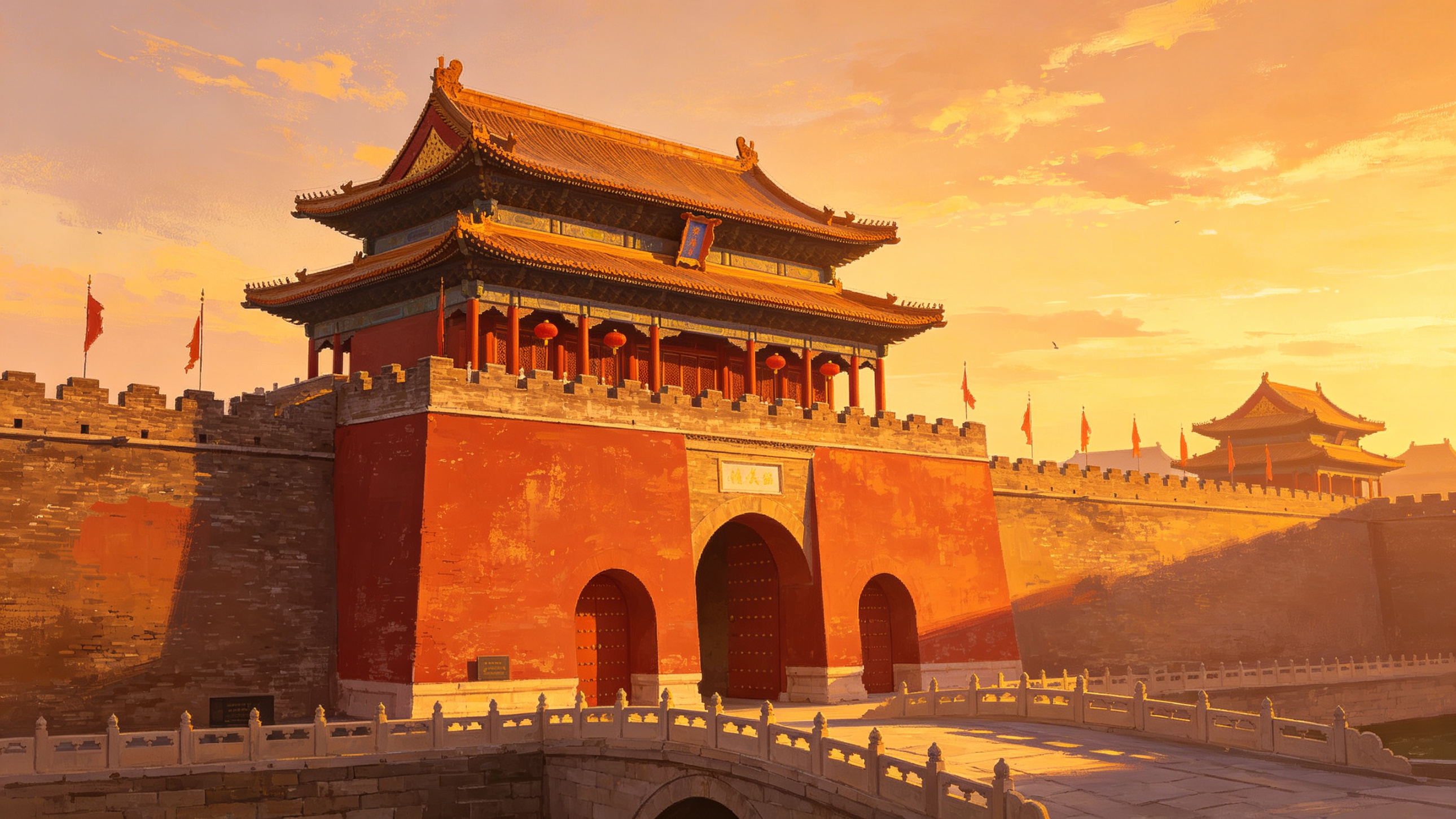
Arrive in Xi’an in the morning, drop off your luggage at the hotel first. If you’re staying inside the city wall, you can head out right after putting down your things. The first stop I recommend is Xi’an Ancient City Wall—this is the most complete ancient city wall existing in China, and also Xi’an’s landmark. You can go up from Yongning Gate (South Gate), which is the most magnificent section of the city wall.
Standing on the ancient city wall, you can see the old urban area inside the wall and the modern buildings outside the wall—a feeling of time交错 arises spontaneously. You can take a walk on the city wall, or rent a bicycle to ride around the wall (about 14 kilometers, takes 1-2 hours). At dusk, the sunset spills over the city wall, and the golden light sets off the ancient towers—very beautiful.
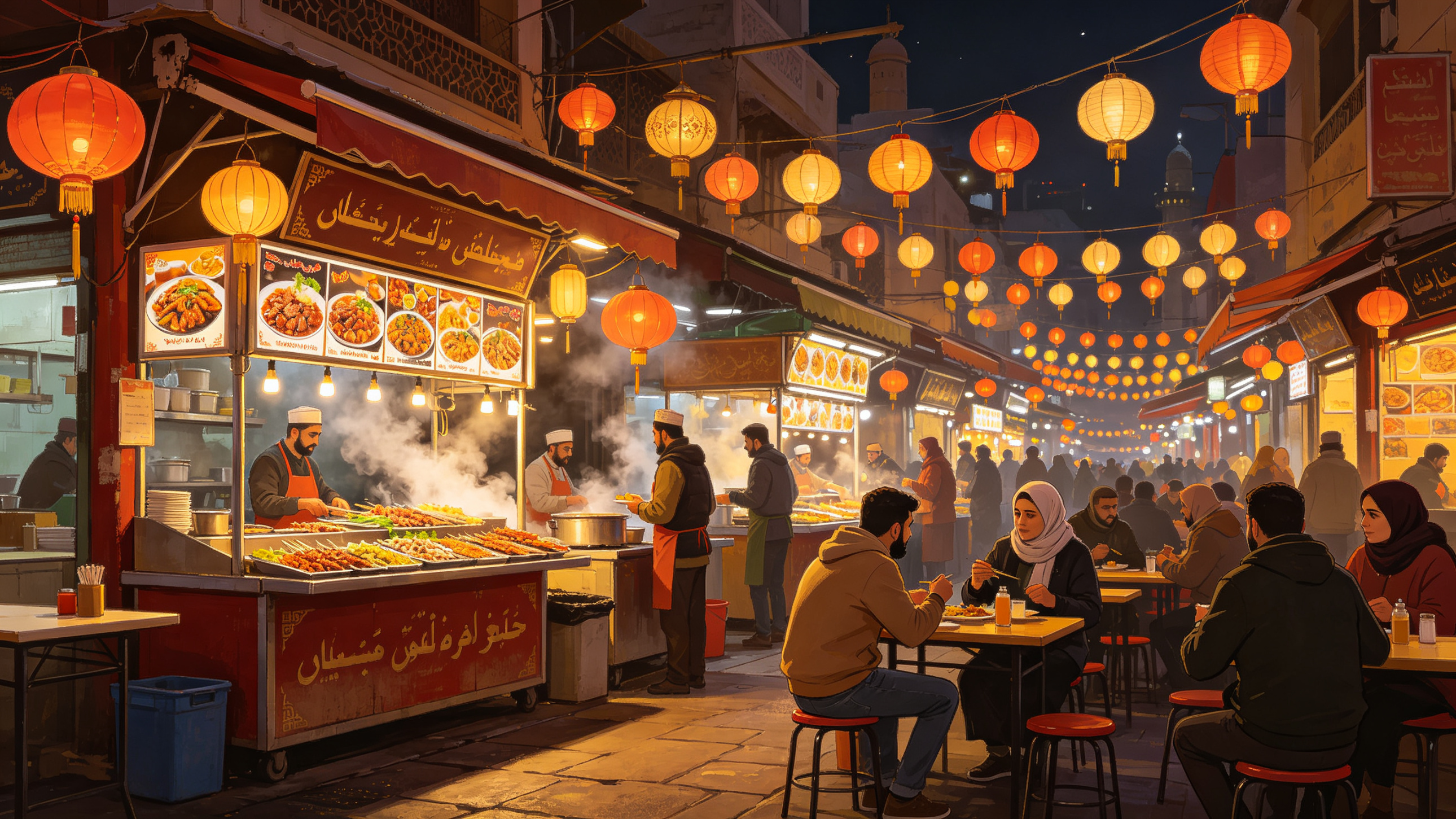
For lunch, you can eat at Muslim Street. This is Xi’an’s most famous food street, with all kinds of Northwestern snacks—lamb paomo, roujiamo, liangpi, zenggao… everything you can imagine. Although it’s a bit touristy, it’s still worth going. I recommend buying a little of everything to taste.
In the afternoon, you can stroll around the Bell Tower and Drum Tower. Both towers are Xi’an’s landmarks, and also the center of the ancient city. The distance between the Bell Tower and Drum Tower isn’t far, just a few minutes’ walk. You can buy a combo ticket to climb both towers, see the exhibitions inside, and also overlook the entire old urban area.
If you’re interested in history, you can also visit the Shaanxi History Museum. This is one of China’s best history museums, with a collection of more than 370,000 cultural relics, from ancient times to the Ming and Qing dynasties—everything you can imagine. The most famous are the Tang Dynasty gold and silverware and Tang sancai (tri-colored glazed pottery)—very exquisite. Remember to make a reservation in advance, otherwise you might not get in.
In the evening, you can go back to Muslim Street for dinner. Muslim Street at night is livelier than during the day, and when the lights come on, it has a very exotic feel. You can find a roadside stall to sit down, order a few small dishes, drink some beer, and feel Xi’an’s nightlife.
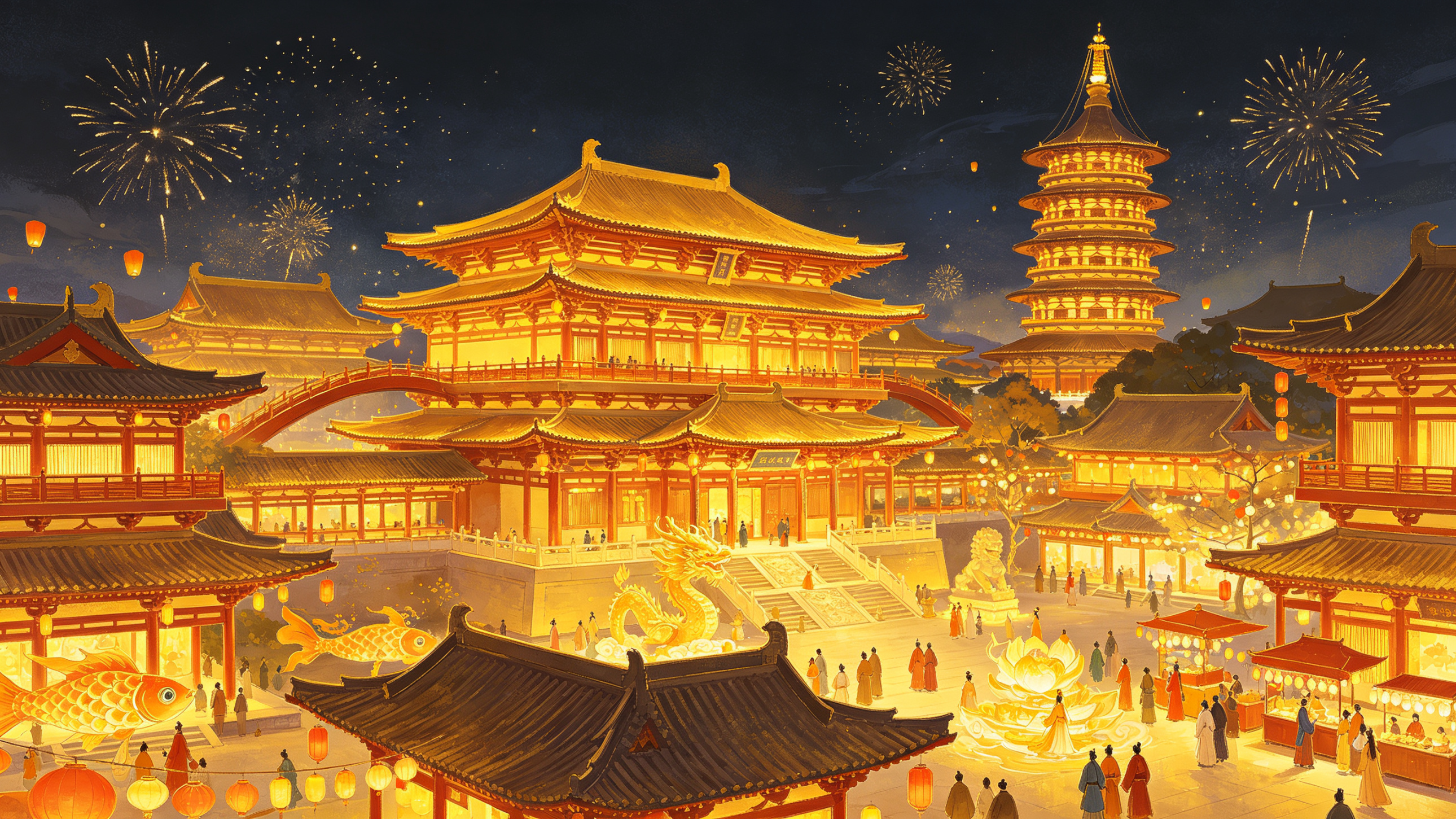
At night, you can stroll around Datang Everbright City. This is Xi’an’s famous internet-famous attraction, a long street with Tang Dynasty style buildings on both sides—very spectacular when the lights come on at night. There are also various performances on the street—Miss Tumbler, musical instrument performances, ancient costume parades… just like traveling back to the great Tang Dynasty.
Today’s highlight: Watching the sunset on the ancient city wall, golden sunlight spilling over the ancient city bricks, suddenly feeling like time has stood still.
Day 2: The Qin Empire — Terracotta Army and Huaqing Pool, Feeling the Might of Two Thousand Years Ago
On the second day, let’s go see Xi’an’s most famous attraction—the Terracotta Army.
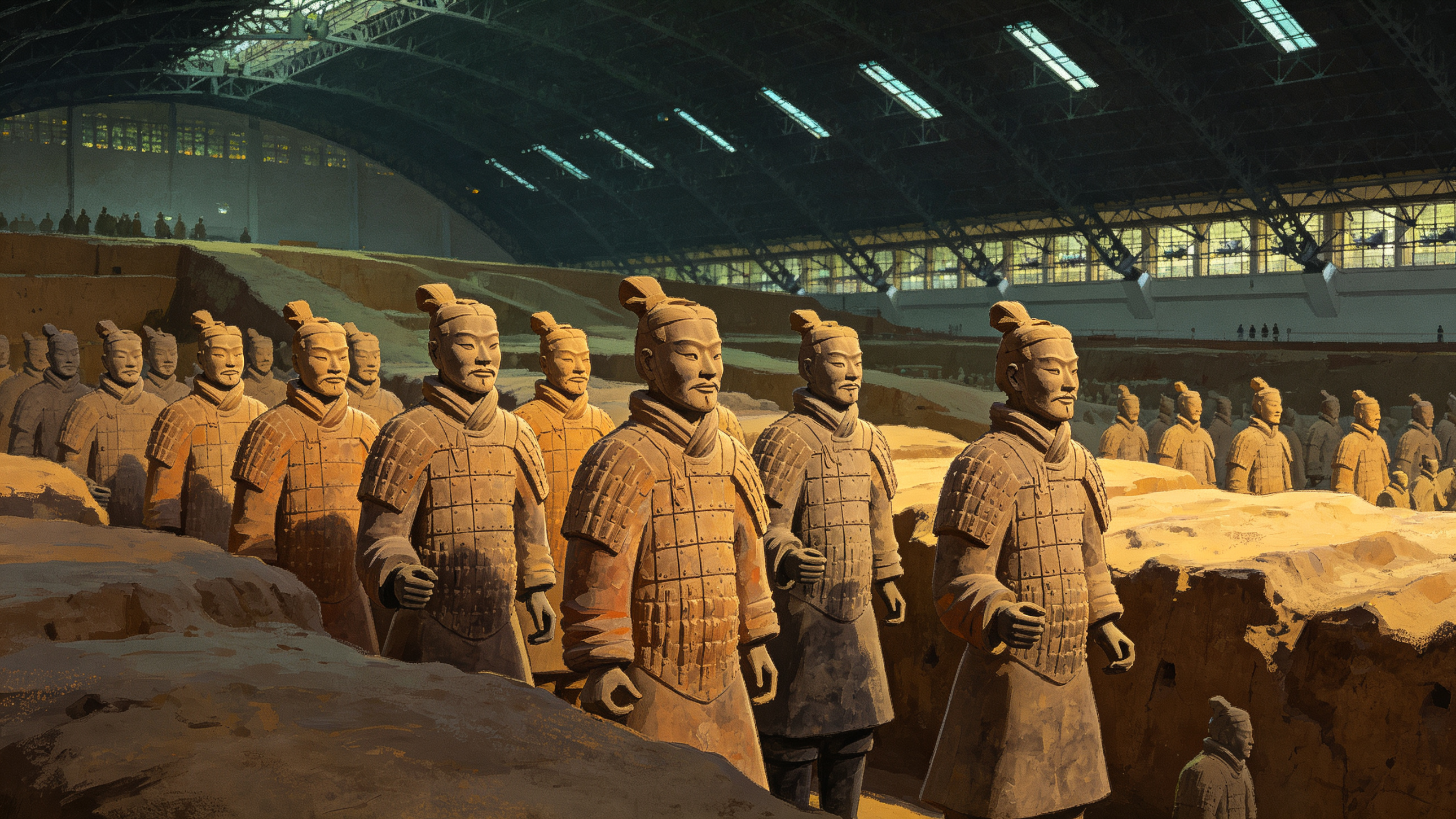
Depart from the city center in the morning, take the subway or bus to the Terracotta Army Museum, the journey takes about an hour. The Terracotta Army is the burial pit of Qin Shi Huang’s mausoleum, known as the “Eighth Wonder of the World.” Three pits have been excavated so far, among which Pit No. 1 is the largest, with more than six thousand terracotta figures inside, neatly arranged—very spectacular.
Standing in front of the Terracotta Army pits, you’ll be shocked by the momentum—the underground army from two thousand years ago, standing quietly in front of you like this, each terracotta figure has a different face, each one is lifelike. You can imagine how powerful Qin Shi Huang was back then to build such a huge underground army.
Besides the Terracotta Army pits, the museum also has the Bronze Chariots and Horses exhibition hall, exhibiting two unearthed bronze chariots and horses—very exquisite. I recommend hiring a guide or renting an audio guide, so you can learn more about the stories behind them.
For lunch, you can eat at a restaurant near the Terracotta Army. There are many restaurants in this area—I recommend trying Shaanxi cuisine—lamb paomo, roujiamo, liangpi… all classic Northwestern foods.
In the afternoon, you can go to Huaqing Pool. This was the imperial hot spring palace of the Tang Dynasty, and also where Yang Guifei bathed. Huaqing Pool’s buildings have a Tang Dynasty style, and the gardens are also very beautiful. You can visit various hot spring sites and see what imperial hot springs were like back then.
If you’re interested in history, you can also go to Lishan Mountain. Lishan is right next to Huaqing Pool, a not-very-high hill with many historical sites on the mountain—Laomu Hall, Laojun Hall, Bingjian Pavilion… standing at the top you can overlook the entire Lintong district.
In the evening, you can go back to the city center and have dinner at Yongxingfang. This is Xi’an’s famous food street, more local and cleaner than Muslim Street. There are all kinds of Shaanxi snacks here, plus many intangible cultural heritage foods—well worth visiting.
At night, you can stroll around the old streets inside the city wall. Xi’an’s old urban area has a lot of character, and when the lights come on at night, it has a very historical feel. You can find a cafe to sit, or just wander around casually, feeling the tranquility of this city at night.
Today’s highlight: Standing in front of Terracotta Army Pit No. 1, watching more than six thousand terracotta figures standing neatly there, suddenly feeling the might of the Qin Empire from two thousand years ago.
Day 3: Tang Dynasty Splendor — Giant Wild Goose Pagoda and Tang Paradise, Feeling the Prosperity of the Tang Dynasty
On the third day, let’s feel the prosperity of the Tang Dynasty.
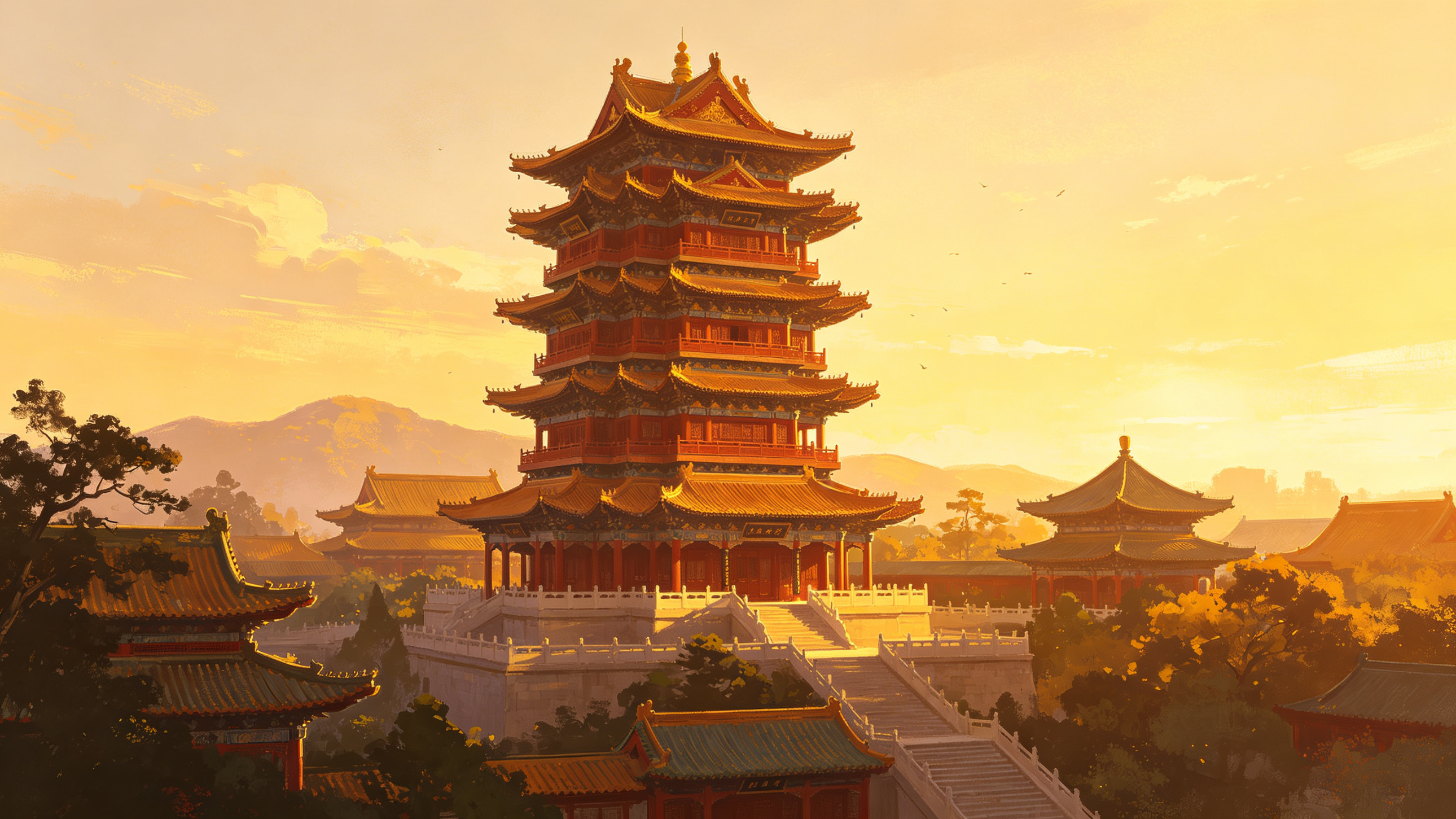
In the morning, you can go to the Giant Wild Goose Pagoda. This is one of Xi’an’s most famous ancient sites, built in the Tang Dynasty, where Master Xuanzang built it to store the scriptures he brought back from India. The Giant Wild Goose Pagoda is located in Daci’en Temple, and the temple itself also has a lot of history—it was an imperial temple in the Tang Dynasty.
You can first visit Daci’en Temple, see the temple buildings and Buddha statues, then climb the Giant Wild Goose Pagoda. The view from the tower is very good—you can overlook the entire southern part of Xi’an. There are also many Tang Dynasty steles and murals inside the tower—well worth seeing.
Coming out of the Giant Wild Goose Pagoda, you can go to the nearby Giant Wild Goose Pagoda North Square. This has Asia’s largest musical fountain, with fountain performances at regular times every day. If you’re lucky enough to catch a performance time, you can watch it.
For lunch, you can eat at a restaurant near the Giant Wild Goose Pagoda. There are many delicious foods in this area—I recommend trying Shaanxi cuisine—gourd chicken, Wenzhou liangpi, sour soup dumplings… all very distinctive Northwestern foods.
In the afternoon, you can go to Tang Paradise. This is a park with Tang Dynasty culture as its theme, and the buildings inside are all in Tang Dynasty style—very beautiful. You can take a walk in the park, see various Tang Dynasty buildings, and enjoy lake and mountain scenery. There are also many performances in the park—Tang Dynasty guards parade, musical instrument performances, acrobatics… all very精彩.
If you’re interested in art, you can also go to the Shaanxi Art Museum or Xi’an Art Museum to see exhibitions. Xi’an’s art scene is also pretty good, with all kinds of exhibitions often.
In the evening, you can take a good stroll around Datang Everbright City. Yesterday you might have just走马观花, today you can look carefully. This street is about two kilometers long, with Tang Dynasty style buildings on both sides—when the lights come on at night, it’s like going back to the great Tang Dynasty. There are also all kinds of performances and interactive experiences on the street—very lively.
At night, you can have dinner at a restaurant near Datang Everbright City. There are many distinctive restaurants in this area, some with Tang Dynasty style decoration, some with live performances—all worth trying.
Today’s highlight: At Datang Everbright City, watching the resplendent Tang Dynasty buildings on both sides, listening to ancient music on the street, suddenly feeling like I’ve traveled back to Chang’an.
Day 4: Chang’an Street Life — From Shuyuan Gate to Xiangzi Temple, Feeling the City’s Daily Life
On the fourth day, let’s walk into Xi’an’s street life.
In the morning, you can stroll around Shuyuan Gate. This is Xi’an’s famous cultural street, with many shops selling calligraphy and painting, antiques, and stationery on both sides. The buildings on the street are all in antique style—very charming. You can wander around casually, look at calligraphy and paintings, buy some small souvenirs.
If you’re interested in stele forests, you can also visit the Xi’an Stele Forest Museum. This collects various steles from the Han Dynasty to the Qing Dynasty, more than a thousand pieces—the largest stele forest in China. The most famous are the “Stone Platform Classic of Filial Piety” and the “Kaicheng Stone Classics”—both national treasure-level cultural relics.
For lunch, you can eat at a restaurant near Shuyuan Gate. There are many distinctive small restaurants in this area—I recommend finding a small shop that doesn’t look like much—often these shops have the most authentic flavors.
In the afternoon, you can stroll around Xiangzi Temple and Defu Lane. Xiangzi Temple is a Taoist temple, said to be the former residence of Han Xiangzi, one of the Eight Immortals. The temple isn’t big, but it’s very quiet and has a lot of character. The nearby Defu Lane is a very literary old street, with many cafes, bars and small shops—suitable for strolling slowly.
If you like drinking tea, you can also find a teahouse in Yongxingfang or Muslim Street to sit. Xi’an’s tea culture is also well-developed, with many distinctive teahouses. You can order a pot of tea and sit there drinking slowly, feeling the slow pace of this city.
In the evening, you can go to the Ancient City Wall to watch the sunset. Yesterday you might have only gone during the day, today you can go at dusk and see what the ancient city wall looks like under the sunset. The sunset spills over the city wall, and golden light sets off the ancient towers—very beautiful.
At night, you can go to Muslim Street or Yongxingfang for dinner. Eat all the snacks you haven’t tried yet, leaving a little more taste memory for this Xi’an trip.
After dinner, you can take a casual walk around the old streets inside the city wall. Xi’an’s old urban area is very quiet at night, completely different from the daytime liveliness. You can see locals chatting, playing chess, walking dogs on the roadside—very much with life atmosphere.
Today’s highlight: In the teahouse next to Xiangzi Temple, drinking tea, listening to Xi’an people chatting at the next table, suddenly feeling that this slow-paced life is also pretty good.
Day 5: Another Side of Chang’an — From Expo Park to Banpo Site, Discovering Another Side of Xi’an
On the last day, let’s see a different side of Xi’an.
In the morning, you can go to Xi’an Expo Park. This was the site of the 2011 Xi’an International Horticultural Exposition, now turned into a very large park. There are garden buildings from various countries inside, plus many plants and flowers—very beautiful. You can take a walk in the park, see various styles of buildings, and enjoy lake and mountain scenery.
If you’re interested in ancient history, you can also go to the Banpo Site Museum. This is a Neolithic Yangshao culture settlement site, about six thousand years old. The museum exhibits many unearthed cultural relics, plus the remains of the original village—well worth seeing.
For lunch, you can eat at a restaurant near the Expo Park. There are many restaurants in this area, all kinds.
In the afternoon, you can go to Daming Palace National Heritage Park. This is the site of the Tang Dynasty Daming Palace—back then Daming Palace was the largest palace in the world, much bigger than the Forbidden City. Now you can still see the foundations and ruins of the palaces back then in the heritage park, and the park is also very large—great for walking.
If you’re interested in art, you can also go to the Xi’an Museum of Contemporary Art or OCAT Xi’an to see exhibitions. Xi’an’s contemporary art is also very active, with all kinds of exhibitions and events often.
In the evening, you can go back to the city center and take another walk on the Ancient City Wall. Take one last look at this city’s skyline, feel one last time this city’s sense of history. You’ll find that after a few days, you’ve already started to like this heavy and calm city a little bit.
At night, you can go to Muslim Street or Yongxingfang for your last Xi’an meal. Eat everything you haven’t tried yet, drawing a perfect end to your five-day Xi’an trip.
Today’s highlight: At Daming Palace Heritage Park, watching the palace ruins under your feet, imagining how glorious this place was back then, suddenly feeling that time is really wonderful.
From Street Food to Formal Meals: Xi’an’s Food Map
Xi’an is a city worth visiting专门 for food. There’s so much good food here—from street snacks to formal dishes, each one makes you want more.
Here are some must-eat foods I recommend, and where to eat them:
1. Lamb Paomo (Lamb Soup with Broken Bread)
Lamb paomo is Xi’an’s most famous food, and also representative of Northwestern cuisine. Break the mo (bread) into small pieces, then cook it in lamb soup, add vermicelli, scallions, etc.—fragrant and very delicious.
- Recommended restaurant: Tongshengxiang, Sunjia Paomo (multiple branches)
- Price range: ¥30-50
- Must-order: Lamb paomo, sweet garlic
2. Roujiamo (Meat Sandwich)
Roujiamo is Xi’an’s classic snack, known as the “Chinese hamburger.” Crispy baked baiji mo bread, filled with slow-cooked braised meat—take a bite, full of meat flavor, very satisfying.
- Recommended restaurant: Fanji Roujiamo, Qinyu Roujiamo
- Price range: ¥10-20
- Must-order: Braised meat roujiamo, rice skin
3. Liangpi (Cold Skin Noodles)
Liangpi is Xi’an’s classic snack—cold skin noodles made from wheat flour or rice flour, with cucumber shreds, bean sprouts, chili oil and other seasonings added—cool and refreshing, very suitable for eating in summer.
- Recommended restaurant: Weijia Liangpi (multiple branches)
- Price range: ¥10-20
- Must-order: Sesame paste liangpi, roujiamo
4. Biangbiang Noodles
Biangbiang noodles are Shaanxi’s特色 noodles—wide and thick noodles, like belts, so also called “belt noodles.” The noodles are very chewy, with various seasonings added—very delicious.
- Recommended restaurant: Laosunjia, Xi’an Restaurant
- Price range: ¥20-40
- Must-order: Biangbiang noodles, oil-sprinkled noodles
5. Zenggao (Steamed Glutinous Rice Cake)
Zenggao is Xi’an’s traditional dessert, made by steaming glutinous rice, red dates, kidney beans, etc.—soft, sticky and sweet, very delicious. Usually sold by roadside carts, easier to find in the morning.
- Recommended restaurant: Roadside breakfast stalls everywhere
- Price range: ¥5-10
- Must-order: Zenggao, soy milk
6. Gourd Chicken
Gourd chicken is Xi’an’s famous dish, known as “the number one flavor of Chang’an.” The whole chicken is first boiled, then steamed, then fried—crispy skin, tender meat—very delicious.
- Recommended restaurant: Xi’an Restaurant, Chunfa Restaurant
- Price range: ¥80-150/person
- Must-order: Gourd chicken, Wenzhou liangpi
7. Persimmon Cake
Persimmon cake is Xi’an’s traditional dessert—cakes made from persimmon and flour, filled with various fillings, then fried. Crispy on the outside and soft inside, sweet but not cloying—very delicious.
- Recommended restaurant: Muslim Street roadside stalls
- Price range: ¥5-10
- Must-order: Persimmon cake, rose mirror cake
Things You Need to Know Before You Go
Best Travel Season
The best travel seasons for Xi’an are March to May and September to November, when the weather is mild, neither too cold nor too hot—very suitable for sightseeing. Spring (March-April) you can also see cherry blossoms and peach blossoms—very beautiful. Summer (June to August) is very hot, with temperatures often exceeding 35 degrees—not very recommended. Winter (December to February) is colder, but there are fewer tourists, and it also has its own charm.
Transportation Guide
- Airport: Xi’an Xianyang International Airport (XIY) is the largest airport in northwestern China. From the airport to the city center you can take subway line 14 transfer to line 2 (about 1.5 hours), or take airport buses, taxis.
- High-speed rail: Xi’an has two main high-speed rail stations—Xi’an North Station and Xi’an Station. Among them, Xi’an North Station is the largest, with high-speed trains to all parts of the country.
- City transportation: Xi’an’s subway is very convenient, almost can reach all major attractions. Subway fares are calculated by distance, from 2 yuan to 8 yuan. You can also take buses or taxis, or use shared bikes.
Accommodation Area Suggestions
- Inside the city wall (old urban area): The most Xi’an-characteristic area, very close to many attractions—suitable for tourists.
- Giant Wild Goose Pagoda/Qjiang District: More modern, good environment, close to Giant Wild Goose Pagoda, Datang Everbright City, Tang Paradise.
- Near Bell Tower/Muslim Street: Convenient transportation, very easy to eat, drink, and have fun—the first choice for tourists.
- High-tech Zone: New urban area, quite modern—suitable for business travelers.
Budget Reference
- Budget travel: ¥150-300 per day. Stay in youth hostels, eat at street stalls and snack shops, take public transportation, mainly free attractions.
- Comfortable: ¥400-800 per day. Stay in three-star hotels, eat at regular restaurants, occasionally have a nice meal, buy attraction tickets when needed.
- Luxury: ¥1,500+ per day. Stay in five-star hotels, eat at high-end restaurants, take taxis, experience everything.
Common Pitfalls and Tips to Avoid Them
- Muslim Street’s food is more expensive and tastes uneven—more suitable for tourists, if you want authentic food you can go to Yongxingfang or street-side small shops.
- There are many guides at the Terracotta Army—find正规 ones, don’t随便 follow people soliciting on the roadside.
- Taxis are generally law-abiding, but if you encounter one taking a detour, you can note down the license plate and complain.
- Restaurant tips aren’t necessary—mainland China doesn’t have a tipping culture.
- Xi’an is relatively dry—if you come in spring or autumn, remember to做好 moisturizing and drink more water.
Xi’an is a very special city. It’s not modern enough, not prosperous enough, even a bit gray and old. But it has a very special magic—you don’t want to leave once you come, and you miss it once you leave.
Miss the lamb paomo here, miss the ancient city wall here, miss the heavy history here, miss the calm pace of life here.
Five days might not be enough for you to see all of Xi’an’s ancient sites, but it’s enough for you to fall in love with this ancient capital carrying thirteen dynasties’ memories, fall in love with the thousand years of time here.
Have you been to Xi’an? What do you like most about Xi’an? Welcome to share your Xi’an stories in the comments.
Travel Disclaimer: The travel information provided in this article is for reference only, including but not limited to attraction opening hours, ticket prices, transportation times, restaurant operating conditions, etc., all may change due to seasons, policies, or other factors. Please be sure to verify the latest information before departure, and plan your trip according to your own situation. Please pay attention to your own safety during travel and comply with local laws and regulations. This article does not constitute any travel advice or guarantee, and the author of this article does not assume any responsibility for any loss or inconvenience caused by referring to the content of this article.
Comments