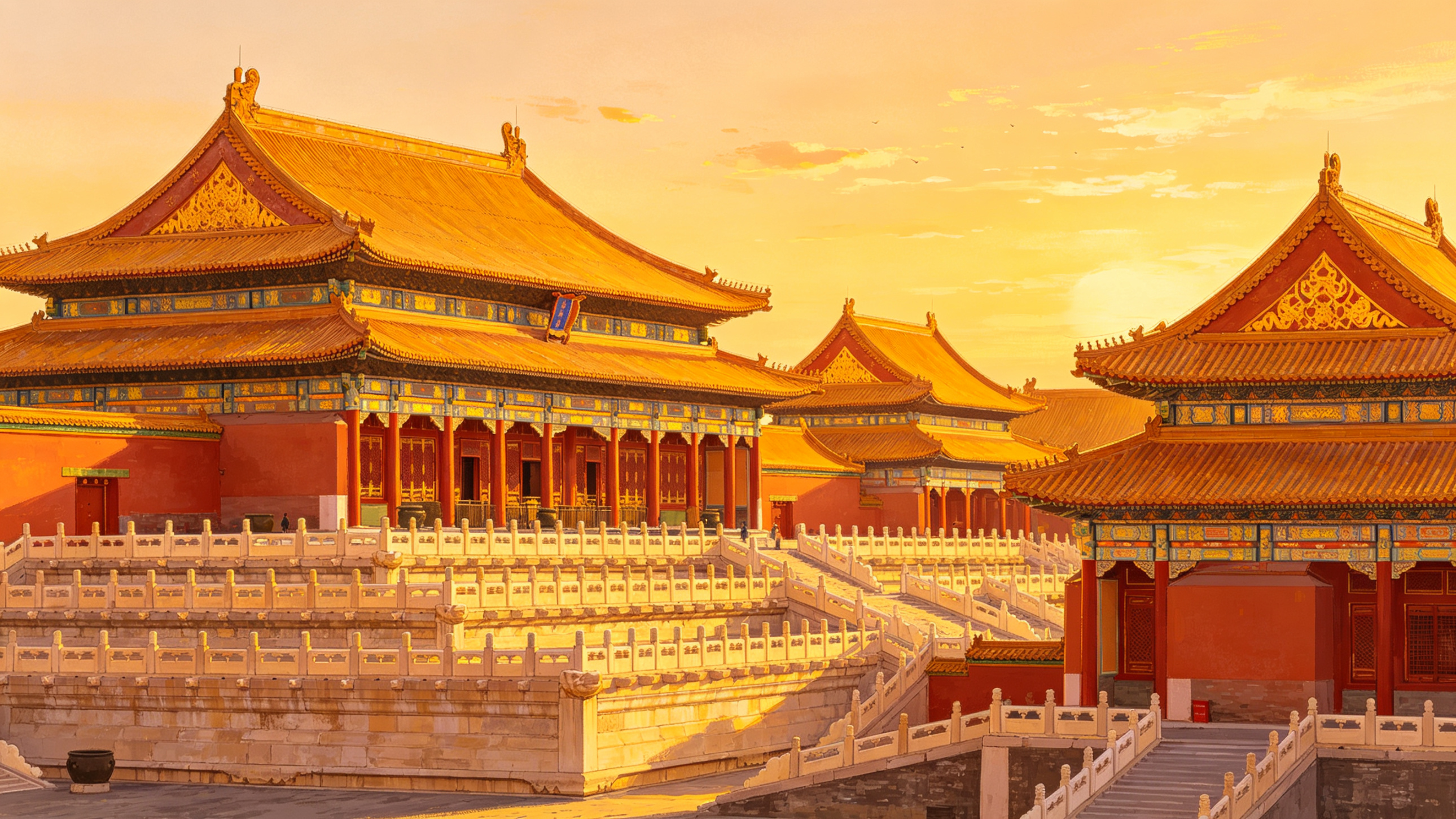
Imperial City and Hutongs: A 5-Day Deep Dive into Beijing, Old Beijing’s New Way of Life
Have you ever had that experience—walking through a city where on one side there are resplendent imperial palaces, and around the corner there are grey-brick old hutongs—two completely different temperaments, magically融合 together like this.
Beijing is just such a city.
It’s the capital of China, and also an ancient capital of six dynasties. Here, you can see palaces hundreds of years old, and also hutongs decades old; you can eat Peking duck with hundreds of years of history, and also drink trendy specialty coffee. This city carries heavy history on one side, and is full of modern vitality on the other.
Many people’s impression of Beijing is just “Forbidden City,” “Great Wall,” “Peking duck.” But if you really stay here for a few days, you’ll find this city has more than just that. It has the grandeur of the imperial city, the warmth of hutongs, an artistic vibe, and a kind of magic that makes you not want to leave once you come.
Why spend five days experiencing Beijing? Because in one or two days you can only see its landmarks and taste its food. But in five days, you can walk into the Forbidden City and feel the grandeur of a six-hundred-year palace; you can dive into hutongs and feel the warmth of old Beijing; you can go to 798 Art District and feel the city’s artistic atmosphere; you can also go to Sanlitun and feel the city’s modern vitality.
Five days is just enough for you to fall in love with this both ancient and young city.
Why Beijing? A City Where Imperial Palaces and Hutongs Coexist
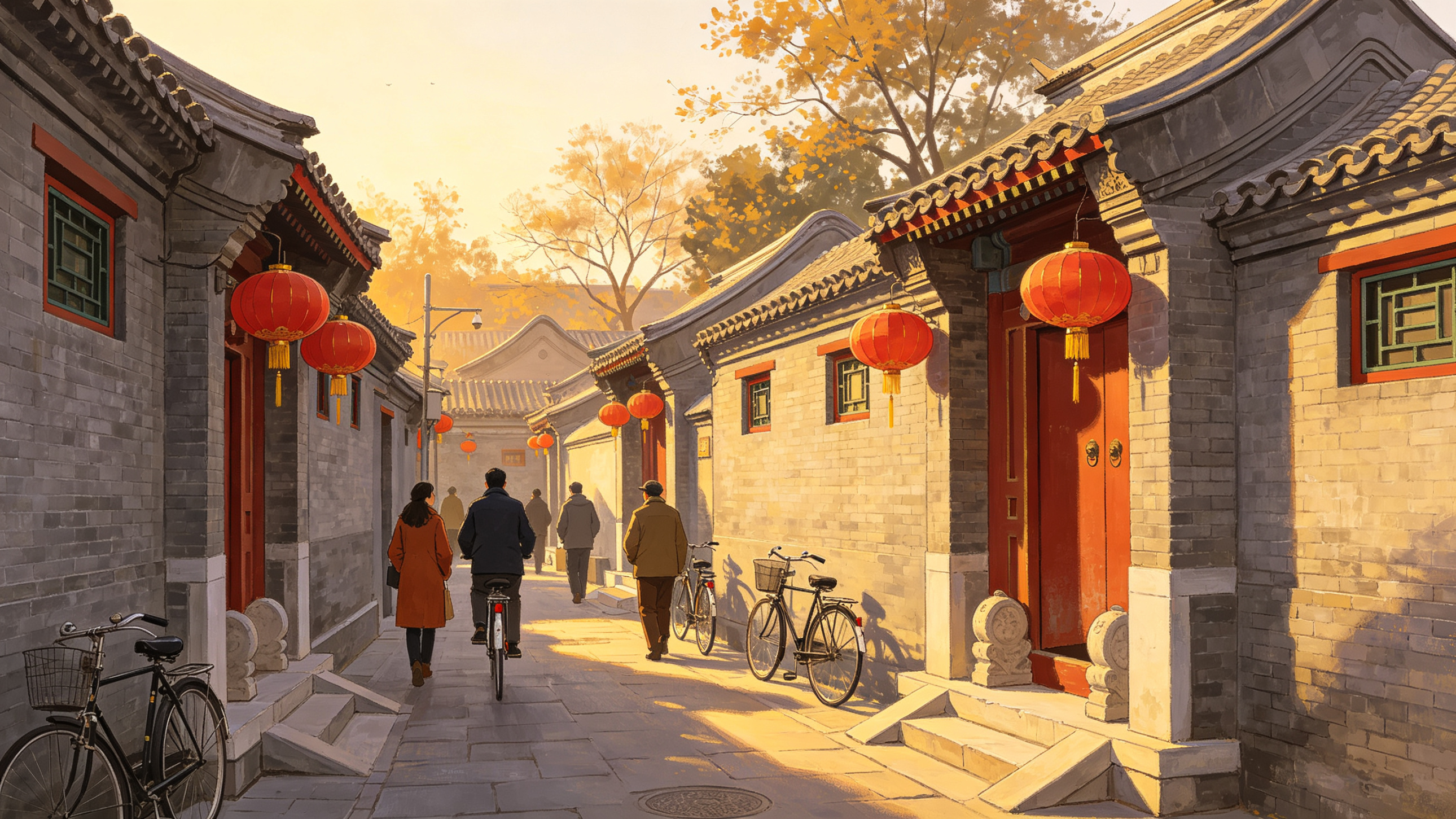
Many people’s impression of Beijing is just “capital” and “history.” But if you really understand this city, you’ll find these labels are too shallow.
Beijing’s real charm lies in its “sense of contrast.”
This is a very special city. It’s not as refined as Shanghai, not as pragmatic as Guangzhou, not as modern as Shenzhen. It has a very unique temperament—grand, calm, with depth. Here, you won’t see people rushing hurriedly, everyone takes their time, as if saying “what’s the rush, hundreds of years have already passed.”
Beijing’s history can be traced back more than three thousand years. Starting from the Liao Dynasty, six dynasties successively established their capitals here—Liao, Jin, Yuan, Ming, Qing… each dynasty left its own mark on this city. At its most glorious, it was the largest city in the world, the “Jingshi” (capital) that the whole world yearned for.
This sense of historical weight is reflected in every corner of Beijing. You walk into the Forbidden City, and the bricks under your feet have hundreds of years of history; you walk into the Temple of Heaven, and the buildings you see have hundreds of years of history; you stand on the Great Wall, and you’re facing thousands of years of military defense engineering. In this city, history isn’t just words in books—it’s something you can see with your own eyes and touch with your own hands.
But Beijing isn’t just about history. It also has rich hutong culture—Nanluoguxiang, Shichahai, Yandai Xiejie… every hutong has its own story. It also has a very active artistic scene—798 Art District, Caochangdi, Songzhuang… all kinds of galleries and exhibitions. It also has very modern business districts—Sanlitun, Guomao, Wangjing… tall buildings everywhere, brightly lit.
When you travel to Beijing, what you gain isn’t just which ancient sites you saw or what foods you ate. What you gain is a feeling that “tradition and modernity can coexist so harmoniously”—that hundreds-year-old palaces are next to trendy cafes, that old hutongs also have very artistic small shops, that a city can be both ancient and young.
Five Days, Walking Into Old Beijing’s New and Old Times
Day 1: First Encounter with the Imperial City — Forbidden City and Temple of Heaven, Feeling Six Hundred Years of Grandeur
On the first day, I suggest you start from the imperial city.
Arrive in Beijing in the morning, drop off your luggage at the hotel first. If you’re staying in the city center, you can head out right after putting down your things. The first stop I recommend is The Palace Museum—this is Beijing’s most famous attraction, and also the world’s largest ancient palace complex. You can take the subway to Tiananmen East Station, then walk over.
The Forbidden City, formerly known as the Purple Forbidden City, was the palace of the Ming and Qing dynasties, with six hundred years of history. Covering 720,000 square meters, with more than nine thousand rooms—very grand. You can enter through the Meridian Gate, and visit along the central axis all the way—Hall of Supreme Harmony, Hall of Central Harmony, Hall of Preserving Harmony, Palace of Heavenly Purity, Palace of Earthly Tranquility… each palace has its own story. I recommend renting an audio guide or hiring a guide, so you can learn more about the history behind them.
Besides the main palaces on the central axis, there are also many exhibition halls in the Forbidden City—Ceramics Hall, Painting and Calligraphy Hall, Treasure Hall… all well worth seeing. If you have enough time, you can also take a walk in the Imperial Garden, feeling the exquisiteness of the imperial garden.
For lunch, you can eat at a restaurant near the Forbidden City. There are many restaurants in this area, all kinds. I recommend trying Beijing cuisine—Peking duck, Jingjiang shredded pork, zhajiangmian… all classic Beijing foods.
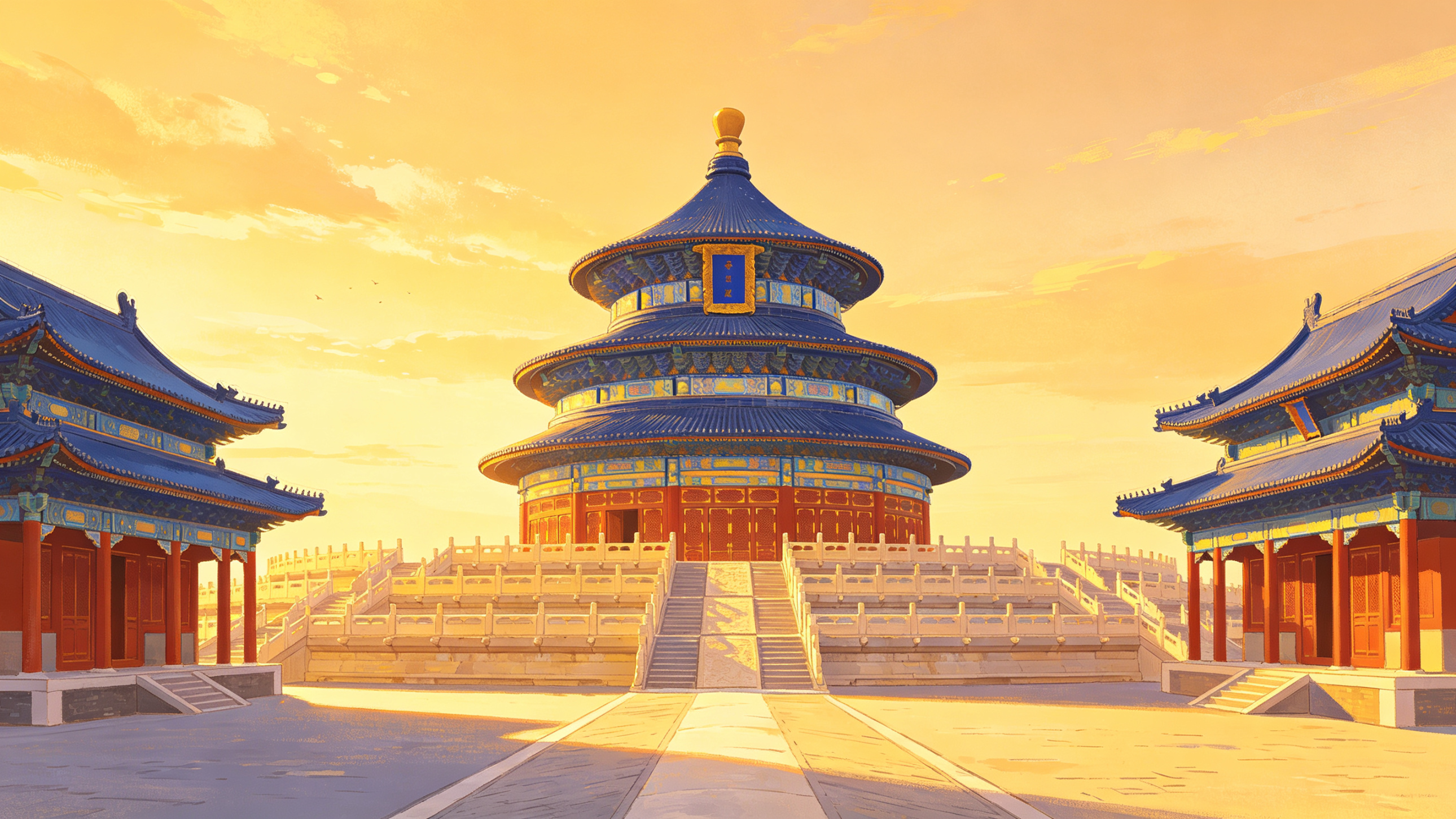
In the afternoon, you can go to Temple of Heaven Park. This was where Ming and Qing emperors worshipped heaven, and also China’s largest existing ancient sacrificial building complex. The Temple of Heaven’s buildings are very distinctive—the Hall of Prayer for Good Harvests is circular, symbolizing the round sky and square earth; the Echo Wall, Triple Sound Stones and other buildings reflect the wisdom of ancient Chinese people.
Temple of Heaven Park is also very large, great for walking. You can see many Beijing locals exercising, dancing, singing, playing chess here—very much with life atmosphere.
In the evening, you can stroll around Qianmen Street. This is Beijing’s famous commercial street, with many time-honored brands and traditional buildings. You can buy some specialties here, or find a time-honored restaurant for dinner.
At night, you can go to Tiananmen Square to see the night view. Tiananmen Square is the world’s largest city square, very grand when the lights come on at night. The nearby Tiananmen Gate Tower and National Centre for the Performing Arts are also very beautiful.
Today’s highlight: Standing in front of the Hall of Supreme Harmony in the Forbidden City, watching the resplendent palace, suddenly feeling the majesty of six hundred years of imperial power.
Day 2: Deep in the Hutongs — Nanluoguxiang and Shichahai, Feeling Old Beijing’s Warmth
On the second day, let’s walk into Beijing’s hutongs.
In the morning, you can go to Nanluoguxiang. This is one of Beijing’s most famous hutongs, and also a very literary old street. There are many distinctive small shops on both sides—cafes, bookstores, cultural and creative shops, snack shops… everything you can imagine. You can wander around casually, see old Beijing hutong architecture, buy some small souvenirs.
Besides the main street, there are also many branch hutongs on both sides of Nanluoguxiang—Mao’er Hutong, Ju’er Hutong, Yu’er Hutong… each has its own story. You can随便 dive into a hutong, see old Beijing courtyard houses, feel the life atmosphere here.
For lunch, you can eat at a restaurant near Nanluoguxiang. There are many distinctive restaurants in this area, some in courtyard houses, some very literary small shops.
In the afternoon, you can go to Shichahai. This is a lake area in Beijing’s urban area, consisting of three lakes—Qianhai, Houhai, and Xihai. Shichahai’s scenery is beautiful, and there are also many old hutongs and courtyard houses nearby. You can take a walk by the lake, or rent a bicycle to ride around the lake.
If you’re interested in history, you can also visit Prince Gong’s Mansion. This was the largest prince’s mansion in the Qing Dynasty, once the residence of He Shen, later became Prince Gong’s mansion. The mansion is very large, the buildings are also very beautiful, and the garden is especially exquisite.
In the evening, you can go to Houhai Bar Street. This is Beijing’s famous bar street, with many bars and restaurants along the lake. Very atmospheric when the lights come on at night. You can find a bar to sit, drink some wine, listen to music, and feel Beijing’s nightlife.
At night, you can have dinner at a restaurant near Shichahai. There are many distinctive restaurants in this area, some Beijing cuisine, some foreign food—all worth trying.
Today’s highlight: Diving into an unknown small hutong, watching the grey bricks and tiles on both sides and the stone lions at the door, suddenly feeling that old Beijing’s warmth is hidden in these hutongs.
Day 3: Great Wall Grandeur — Badaling or Mutianyu, Feeling the Wonder of the World
On the third day, let’s go see Beijing’s most famous attraction—the Great Wall.
Depart from the city center in the morning, take a bus or taxi to the Great Wall, the journey takes about one and a half to two hours. There are several sections of the Great Wall near Beijing—Badaling, Mutianyu, Simatai, Jinshanling… each with its own characteristics.
If it’s your first time going to the Great Wall, I recommend Badaling Great Wall. This is the most famous section, and also the best preserved. The Great Wall is built along the mountains, very grand. You can climb up, stand on the city wall and overlook the mountains, feeling the spirit of “he who hasn’t been to the Great Wall isn’t a true man.”
If you prefer fewer people, you can go to Mutianyu Great Wall. This section’s scenery is also beautiful, and there are fewer people—more suitable for taking photos. You can also take a cable car up, then walk down along the Great Wall—more relaxed.
The Great Wall is harder to climb than you might think—I recommend wearing comfortable shoes and bringing enough water and snacks. If you’re not in good physical condition, you can just climb a small section to experience it.
For lunch, you can eat at a restaurant near the Great Wall. There are many restaurants in this area, all kinds.
In the afternoon, you can slowly climb the Great Wall, enjoy the scenery, take photos. The Great Wall’s scenery is really spectacular—the winding city wall extends along the mountains to the horizon, very shocking.
Back in the city in the evening, you can stroll around Sanlitun. This is Beijing’s most famous fashion business district, with many malls, restaurants, bars and cafes. You can have dinner here, or watch a movie, feeling Beijing’s modern vitality.
At night, you can have dinner at a restaurant near Sanlitun. There are many distinctive restaurants in this area, cuisines from all countries—all worth trying.
Today’s highlight: Standing on the Great Wall’s city wall, watching the winding wall extend along the mountains to the horizon, suddenly feeling the grandeur of this world wonder.
Day 4: Artistic Beijing — 798 and Guomao, Feeling the City’s Creativity and Vitality
On the fourth day, let’s feel Beijing’s art and modernity.
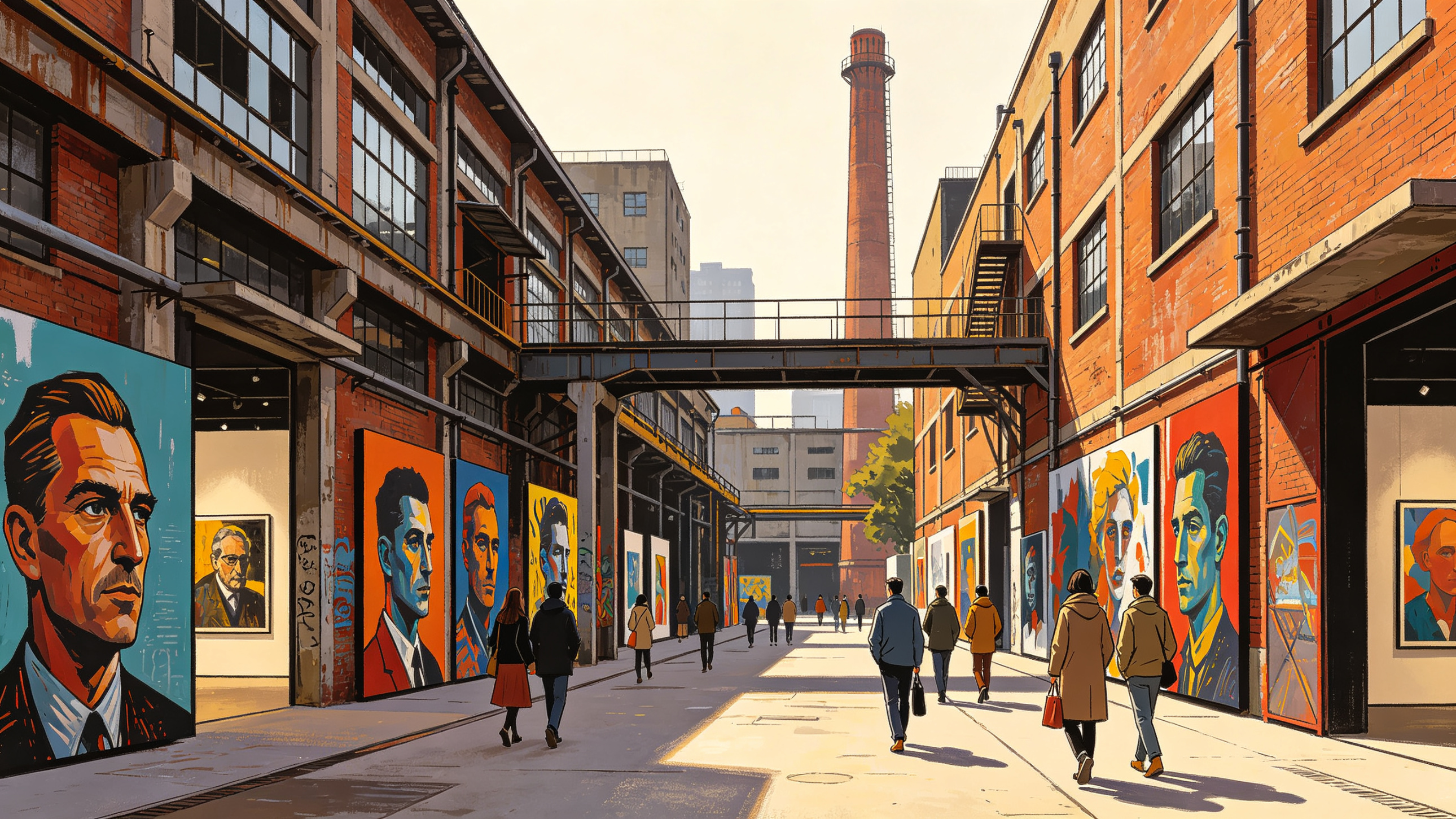
In the morning, you can go to 798 Art District. This is Beijing’s most famous art district, transformed from old factories, with many galleries, art spaces, cafes and design shops. You can stroll through galleries here, see exhibitions, and feel Beijing’s contemporary art atmosphere.
798’s buildings are also very distinctive—old factory buildings, pipes, chimneys, combined with modern artworks—have a unique aesthetic. You can wander around casually, take photos, see all kinds of artworks.
For lunch, you can eat at a restaurant near 798. There are many distinctive restaurants and cafes in this area, all with great environments.
In the afternoon, you can go to Caochangdi Art District or Songzhuang Art District to see. If you’re interested in contemporary art, these places are well worth visiting. If not, you can also stroll around Sanlitun or Guomao, feeling Beijing’s modern business atmosphere.
If you like shopping, you can go to Guomao Mall or SKP. These are Beijing’s most high-end malls, with all kinds of brands. If you don’t like shopping, you can also walk around Guomao and see Beijing’s skyline.
In the evening, you can go near CCTV Headquarters or CITIC Tower to see. These are Beijing’s landmark buildings, very beautiful when the lights come on at night.
At night, you can have dinner at Guomao or Sanlitun. There are many high-end restaurants in this area, cuisines from all countries. If you’re on a budget, you can also find an affordable restaurant—the taste is also pretty good.
Today’s highlight: In 798’s old factory buildings, watching modern artworks, suddenly feeling that this sense of contrast between old and new is Beijing’s most special place.
Day 5: Slow Beijing — Summer Palace and Hutong Coffee, Feeling the City’s Leisure
On the last day, slow down and feel Beijing people’s daily life.
In the morning, you can go to Summer Palace. This was the imperial garden of the Qing Dynasty, and also China’s largest existing imperial garden. The Summer Palace’s scenery is beautiful—Kunming Lake, Longevity Hill, Long Corridor, Tower of Buddhist Incense… each place is very exquisite. You can take a walk in the garden, see the grandeur of the imperial garden, and feel what ancient emperors’ lives were like.
The Summer Palace is very large—I recommend setting aside half a day. If you’re not in good physical condition, you can take a boat tour of Kunming Lake—more relaxed.
For lunch, you can eat at a restaurant near the Summer Palace. There are many restaurants in this area, all kinds.
In the afternoon, you can go back to the city center and find a cafe in a hutong to sit. Beijing has many distinctive hutong cafes—some in courtyard houses, some in old houses, all with great environments. You can order a coffee and sit there drinking slowly, feeling the slow pace of this city.
If you like drinking tea, you can also find a teahouse to sit. Beijing’s tea culture is also well-developed, with many distinctive teahouses. You can order a pot of tea and sit there drinking slowly, reading a book, or just daydreaming.
In the evening, you can go to Jingshan Park to watch the sunset. Jingshan Park is right behind the Forbidden City—the hill isn’t high, but the view is very good. Standing at the top, you can overlook the entire Forbidden City and Beijing’s old urban area. When the sun sets, the Forbidden City’s golden roofs shine in the sunlight—very beautiful.
At night, you can go to Wangfujing or Dongdan for dinner. There are many restaurants in this area, all kinds. You can find a time-honored brand, eat your last Beijing meal, drawing a perfect end to your five-day Beijing trip.
Today’s highlight: In a hutong cafe, drinking coffee, listening to Beijing people chatting at the next table, suddenly feeling that this kind of leisurely life is also pretty good.
From Street Food to Formal Meals: Beijing’s Food Map
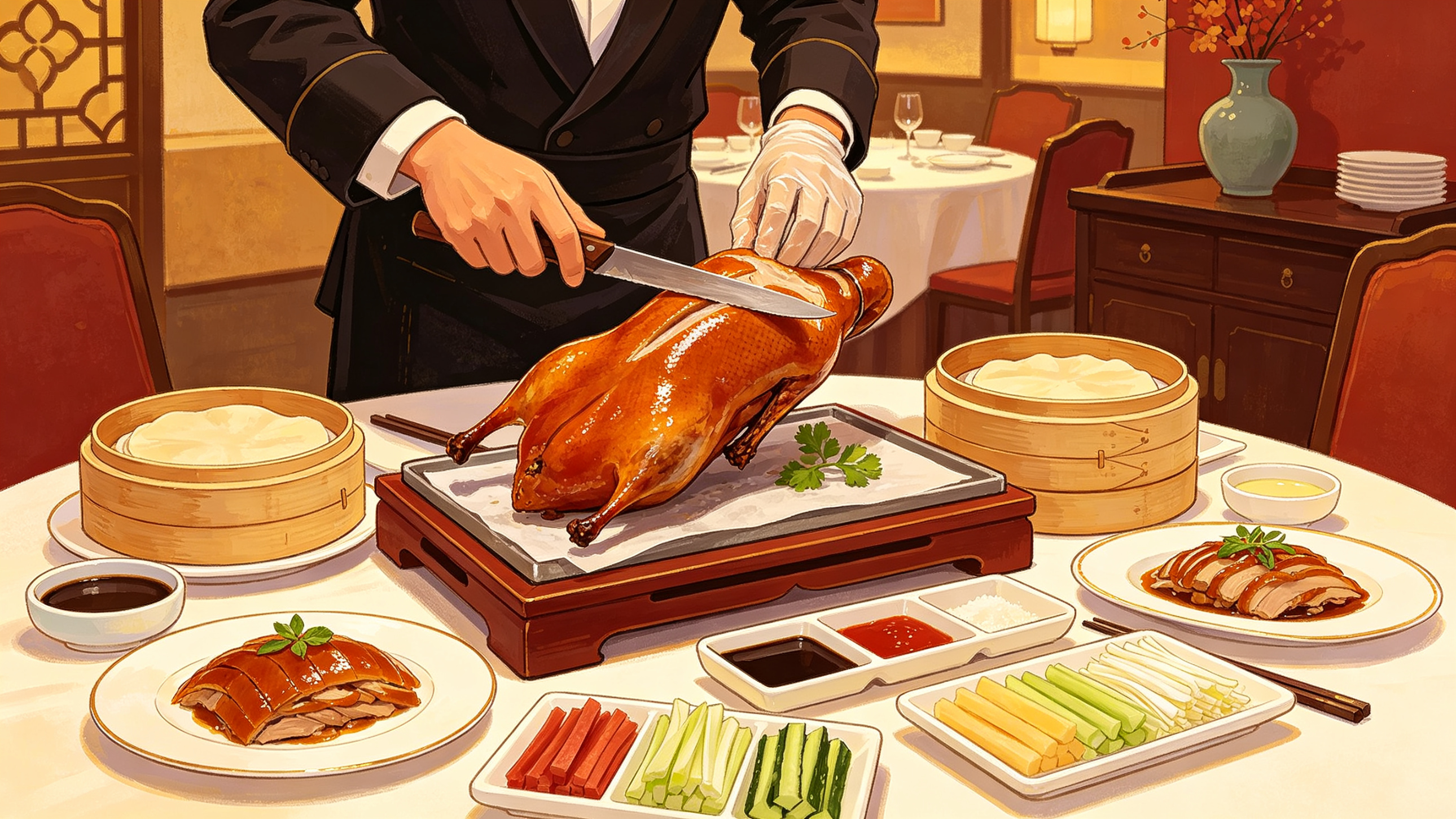
Beijing is a city worth visiting专门 for food. There’s so much good food here—from street snacks to formal dishes, each one makes you want more.
Here are some must-eat foods I recommend, and where to eat them:
1. Peking Duck
Peking duck is Beijing’s most famous food, and also China’s national dish. Crispy roasted duck skin, paired with scallion shreds, cucumber shreds and sweet bean sauce, wrapped in lotus leaf pancakes—take a bite, the crispiness of the duck skin and the tenderness of the meat combine perfectly—very satisfying.
- Recommended restaurant: Quanjude, Bianyifang, Da Dong (multiple branches)
- Price range: ¥150-300/person
- Must-order: Peking duck, duck frame soup
2. Zhajiangmian (Fried Sauce Noodles)
Zhajiangmian is Beijing’s classic noodle dish, and also old Beijing people’s home cooking. Noodles paired with zhajiang (sauce fried with yellow sauce and diced meat), plus cucumber shreds, bean sprouts, radish shreds and other toppings—stir well and eat. Simple but delicious, very Beijing-characteristic.
- Recommended restaurant: Haiwanju, Old Beijing Zhajiangmian King
- Price range: ¥20-40
- Must-order: Zhajiangmian, baodu (tripe)
3. Douzhi and Jiaoquan (Fermented Bean Drink and Fried Rings)
Douzhi and jiaoquan are Beijing’s traditional breakfast, and also the most controversial Beijing food. Douzhi is a drink made from fermented mung beans, tastes sour, a bit like pickled cabbage soup—first-time drinkers might not be used to it. But paired with jiaoquan (fried dough rings) and pickles—that’s old Beijing people’s favorite breakfast.
- Recommended restaurant: Huguo Temple Snacks, Old Ciqikou Douzhi Shop
- Price range: ¥10-20
- Must-order: Douzhi, jiaoquan, pickles
4. Ludagun (Rolling Donkey)
Ludagun is Beijing’s traditional dessert, a pastry made from yellow rice flour, filled with red bean paste, rolled in soybean flour on the outside. Soft, sticky and sweet—very delicious. Because during the making process you roll it in soybean flour, like a donkey rolling on the ground—so it’s called “ludagun” (rolling donkey).
- Recommended restaurant: Huguo Temple Snacks, Daoxiangcun
- Price range: ¥10-20
- Must-order: Ludagun, wandouhuang (pea cake)
5. Instant-boiled Mutton (Shuan Yangrou)
Instant-boiled mutton is Beijing’s classic hot pot, and also old Beijing people’s favorite. Use a copper pot with clear water, put mutton slices in to涮 a few times, dip in sesame paste, and eat. The mutton is tender, the sesame paste is rich—very delicious.
- Recommended restaurant: Donglaishun, Nanmen Shuanrou (multiple branches)
- Price range: ¥100-200/person
- Must-order: Instant-boiled mutton, sesame paste, sweet garlic
6. Salty Bean Juice
Salty bean juice is Beijing’s traditional breakfast, different from douzhi—it’s made from ground mung beans, with salt and other seasonings added. Salty taste, a bit like tofu pudding, paired with youtiao (fried dough sticks) or jiaoquan—that’s a perfect breakfast.
- Recommended restaurant: Roadside breakfast stalls everywhere
- Price range: ¥5-10
- Must-order: Salty bean juice, youtiao
7. Jingjiang Shredded Pork (Pork in Sweet Bean Sauce)
Jingjiang shredded pork is Beijing’s classic home-style dish, stir-fried pork shreds with sweet bean sauce, paired with scallion shreds, wrapped in tofu skin to eat. Salty and sweet, very good with rice, and also very Beijing-characteristic.
- Recommended restaurant: Most Beijing cuisine restaurants have it
- Price range: ¥30-50
- Must-order: Jingjiang shredded pork, zhajiangmian
Things You Need to Know Before You Go
Best Travel Season
The best travel seasons for Beijing are April to May and September to October, when the weather is mild, neither too cold nor too hot—very suitable for sightseeing. Spring (April-May) you can also see cherry blossoms and peach blossoms—very beautiful. Autumn (September-October) is Beijing’s most beautiful season, with clear autumn skies and blue skies, plus ginkgo leaves to see. Summer (June to August) is very hot, and there are often heavy rains—not very recommended. Winter (December to February) is colder, but you can see snow scenes, which also has its own charm.
Transportation Guide
- Airports: Beijing has two main airports—Capital International Airport (PEK) and Daxing International Airport (PKX). Capital Airport is closer to the city center, Daxing Airport is farther. From the airport to the city center you can take the subway (Capital Airport Line or Daxing Airport Line), or take airport buses, taxis.
- High-speed rail: Beijing has four main high-speed rail stations—Beijing South Station, Beijing West Station, Beijing Station, Beijing Chaoyang Station. Among them, Beijing South Station is the largest, with high-speed trains to all parts of the country.
- City transportation: Beijing’s subway is very convenient, almost can reach all major attractions. Subway fares are calculated by distance, from 3 yuan to 10 yuan. You can also take buses or taxis, or use shared bikes. Beijing’s traffic is quite congested—I recommend taking the subway as much as possible.
Accommodation Area Suggestions
- Wangfujing/Dongdan: City center, convenient transportation, very close to many attractions—suitable for tourists.
- Sanlitun/Guomao: More modern, prosperous commerce, very convenient for eating, drinking, and having fun—suitable for travelers who like fashion.
- Shichahai/Nanluoguxiang: Very Beijing-characteristic, with many hutongs and courtyard houses—suitable for travelers who like old Beijing.
- Wangjing/Zhongguancun: New urban area, quite modern—suitable for business travelers.
Budget Reference
- Budget travel: ¥200-400 per day. Stay in youth hostels, eat at street stalls and snack shops, take public transportation, mainly free attractions.
- Comfortable: ¥500-1,000 per day. Stay in three-star hotels, eat at regular restaurants, occasionally have a nice meal, buy attraction tickets when needed.
- Luxury: ¥2,000+ per day. Stay in five-star hotels, eat at high-end restaurants, take taxis, experience everything.
Common Pitfalls and Tips to Avoid Them
- Forbidden City tickets need to be reserved online in advance—you might not be able to buy them on site.
- Great Wall day tours—find正规 travel agencies, don’t随便 follow people soliciting on the roadside—many are shopping tours.
- Taxis are generally law-abiding, but if you encounter one taking a detour, you can note down the license plate and complain.
- Restaurant tips aren’t necessary—mainland China doesn’t have a tipping culture.
- Beijing is relatively dry—if you come in spring or autumn, remember to做好 moisturizing and drink more water.
Beijing is a very special city. It’s not refined enough, not gentle enough, even a bit gray and old. But it has a very special magic—you don’t want to leave once you come, and you miss it once you leave.
Miss the Peking duck here, miss the hutongs here, miss the heavy history here, miss the grandeur and calm here.
Five days might not be enough for you to see all of Beijing’s attractions, but it’s enough for you to fall in love with this both ancient and young city, fall in love with the new and old times here.
Have you been to Beijing? What do you like most about Beijing? Welcome to share your Beijing stories in the comments.
Travel Disclaimer: The travel information provided in this article is for reference only, including but not limited to attraction opening hours, ticket prices, transportation times, restaurant operating conditions, etc., all may change due to seasons, policies, or other factors. Please be sure to verify the latest information before departure, and plan your trip according to your own situation. Please pay attention to your own safety during travel and comply with local laws and regulations. This article does not constitute any travel advice or guarantee, and the author of this article does not assume any responsibility for any loss or inconvenience caused by referring to the content of this article.
Comments