Manchu Qing and Northeast: A 5-Day Deep Dive into Shenyang, Shengjing’s Heroism and Tenderness
Have you ever had that experience—walking through a city where on one side there are resplendent imperial palaces, and around the corner there are lively grilled skewer stalls—two completely different temperaments, magically融合 together like this.
Shenyang is just such a city.
It’s the birthplace of the Qing Dynasty, and also one of Northeast China’s largest cities. Here, you can see palaces over three hundred years old, and also see lively Northeast night markets; you can eat authentic Manchu Qing cuisine, and also drink hearty Northeast beer. This city carries heavy history on one side, and is full of Northeast heroism on the other.
Many people’s impression of Shenyang is just “imperial palace,” “Marshal Zhang’s Mansion,” “Northeast cuisine.” But if you really stay here for a few days, you’ll find this city has more than just that. It has Manchu Qing historical heritage, Republican-era legendary stories, Northeast heroic enthusiasm, and a kind of magic that makes you not want to leave once you come.
Why spend five days experiencing Shenyang? Because in one or two days you can only see its landmarks and taste its food. But in five days, you can walk into Shenyang Imperial Palace and feel the momentum of the Manchu Qing before entering the pass; you can visit Marshal Zhang’s Mansion and feel the legends of the Republican era; you can eat skewers and drink beer at the night market, experiencing Northeast people’s heroism; you can also go to the industrial museum, feeling the vicissitudes of this heavy industry city.
Five days is just enough for you to fall in love with this both heroic and tender Northeast city.
Why Shenyang? A City Where Manchu Qing and Northeast Blend
Many people’s impression of Shenyang is just “Northeast” and “heavy industry.” But if you really understand this city, you’ll find these labels are too shallow.
Shenyang’s real charm lies in its “heroism and tenderness.”
This is a very special city. It’s not as coastal as Dalian, not as fresh as Changchun, not as Russian as Harbin. It has a very unique temperament—grand, heroic, with stories. Here, you won’t see people being petty, everyone is straightforward, as if saying “what’s the matter, just do it.”
Shenyang’s history can be traced back more than two thousand years. But its most glorious time was in the late Ming and early Qing dynasties—Nurhaci established Later Jin here, Huang Taiji changed the country name to Qing here, and Emperor Shunzhi entered the pass from here to unify China. So Shenyang is called “the birthplace of one dynasty, the capital of two generations of emperors.”
This sense of historical weight is reflected in every corner of Shenyang. You walk into Shenyang Imperial Palace, and the bricks under your feet have over three hundred years of history; you walk into Marshal Zhang’s Mansion, and the buildings you see have over a hundred years of history; you stand in Beiling Park, and you’re facing the tomb of the founding emperor of the Qing Dynasty. In this city, history isn’t just words in books—it’s something you can see with your own eyes and touch with your own hands.
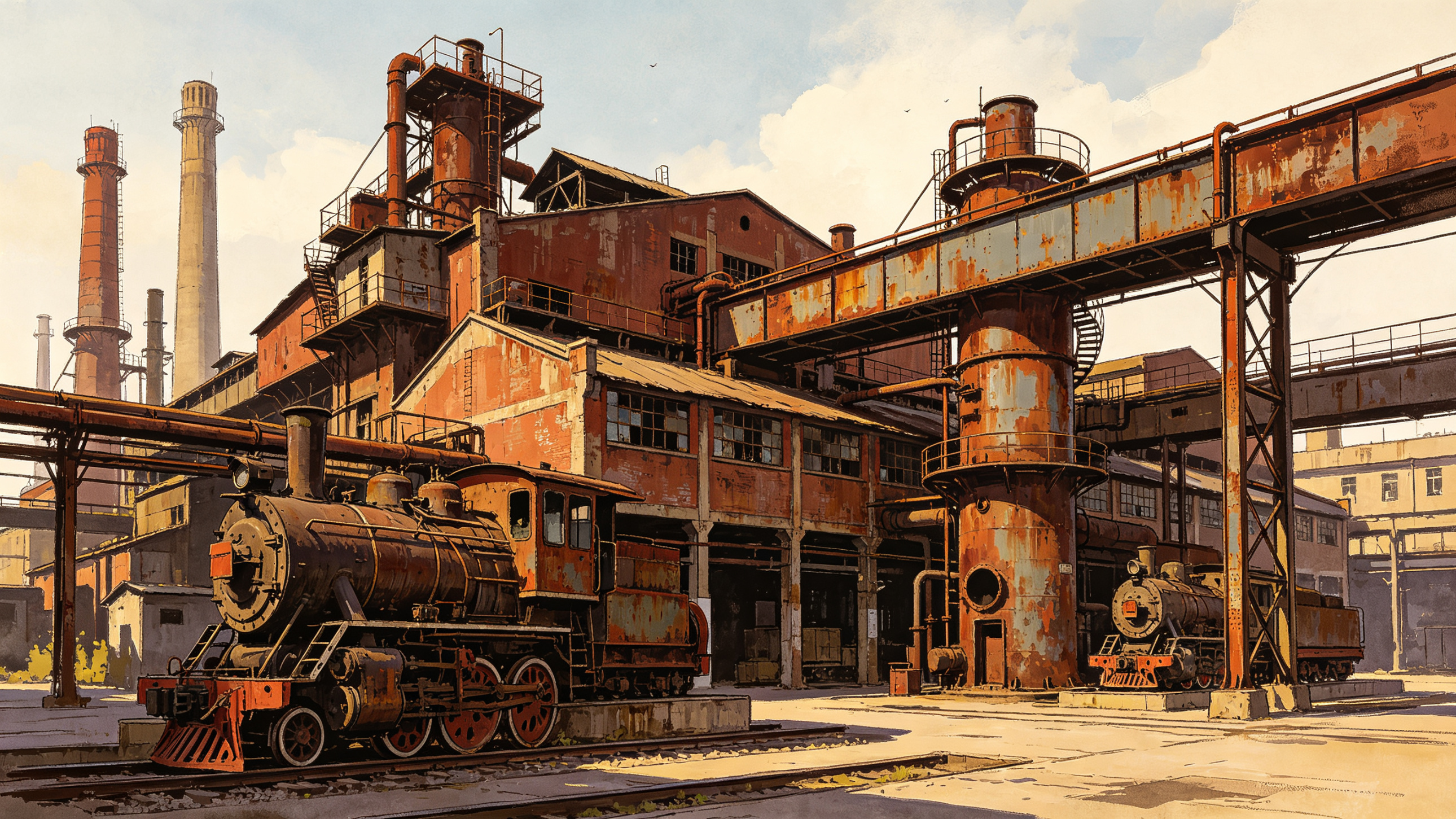
But Shenyang isn’t just about history. It also has rich Northeast culture—Errenzhuan (two-person skit), Northeast drum dance, yangge dance… each is full of Northeast heroism. It also has famous food—Northeast cuisine, grilled skewers, chicken racks, Laobian dumplings… each makes you want more. It also has glorious industrial history—as New China’s heavy industry base, Shenyang once produced New China’s first airplane, first machine tool, first steam locomotive…
When you travel to Shenyang, what you gain isn’t just which ancient sites you saw or what foods you ate. What you gain is a feeling that “life can be this heroic”—that Northeast people are so enthusiastic, that Northeast cuisine is so substantial, that a city can have both historical weight and the烟火气 of life.
Five Days, Walking Into Shengjing’s Heroism and Tenderness
Day 1: First Encounter with Shengjing — Shenyang Imperial Palace and Middle Street, Feeling the City’s History
On the first day, I suggest you start from the old urban area.
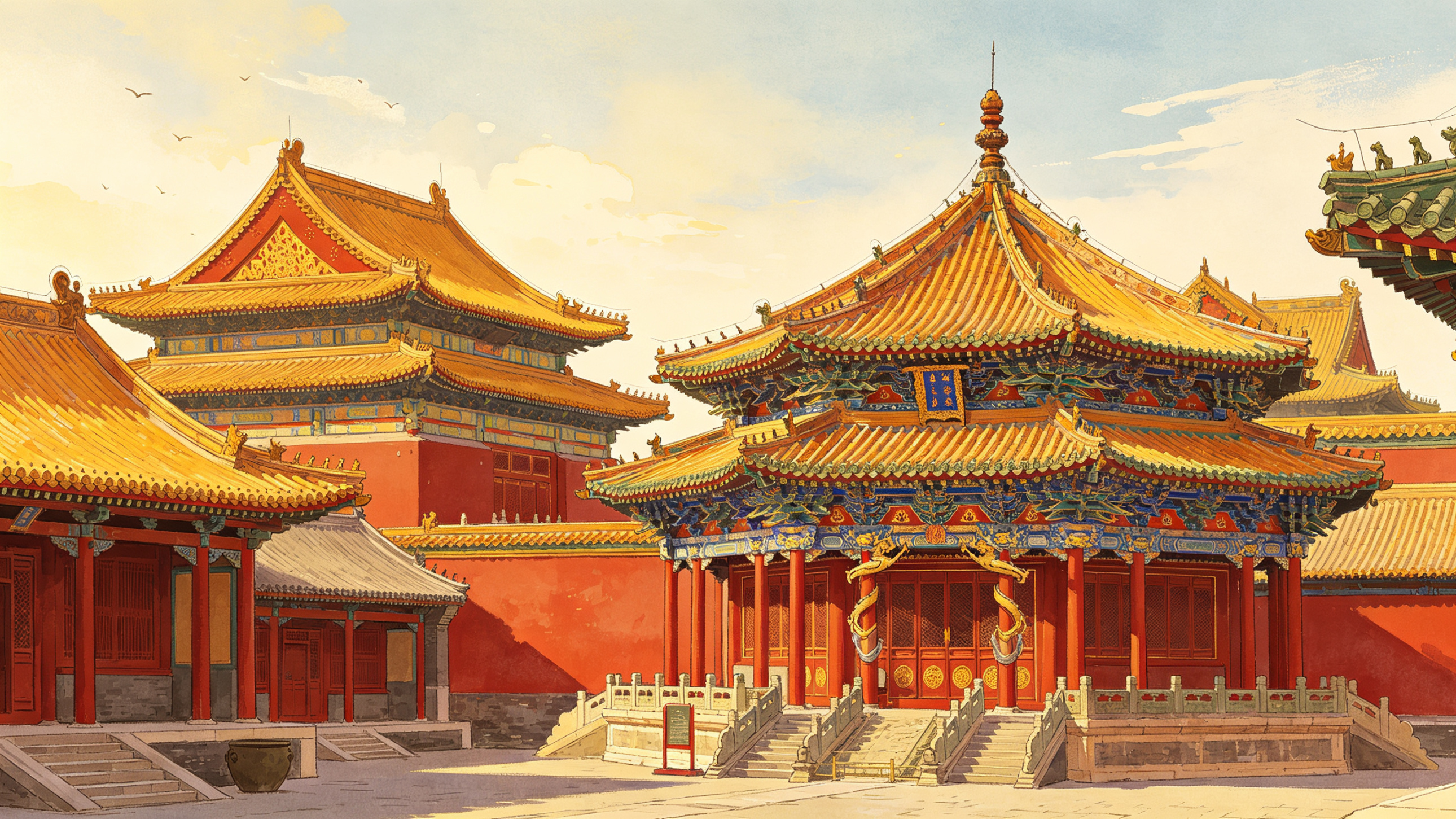
Arrive in Shenyang in the morning, drop off your luggage at the hotel first. If you’re staying in Shenhe District, you can head out right after putting down your things. The first stop I recommend is Shenyang Imperial Palace—this is one of China’s only two remaining ancient palace complexes, and also the imperial palace of the Manchu Qing before entering the pass. You can take the subway to Middle Street Station, then walk over.
Although Shenyang Imperial Palace isn’t as big as Beijing’s Forbidden City, it’s also very distinctive. It blends Manchu, Han and Mongolian architectural styles, with strong Northeast characteristics. The most famous are the Hall of Great Policy and the Ten Kings Pavilions—the Hall of Great Policy is where the emperor held court, and the Ten Kings Pavilions are where the Eight Banner princes worked. This “figure-eight” layout is very unique. You can slowly visit inside the palace, seeing the history and culture of the Manchu Qing before entering the pass.
Coming out from the imperial palace, you can stroll around the nearby Shenyang Road. This is Shenyang’s famous historical street, with many old buildings and small shops. You can wander around casually, buy some small souvenirs.
For lunch, you can eat at a restaurant near the imperial palace. There are many restaurants in this area, all kinds. I recommend trying Northeast cuisine—guobaorou (sweet and sour pork), disanxian (three fresh ground vegetables), Northeast stewed dishes… all classic Northeast foods.
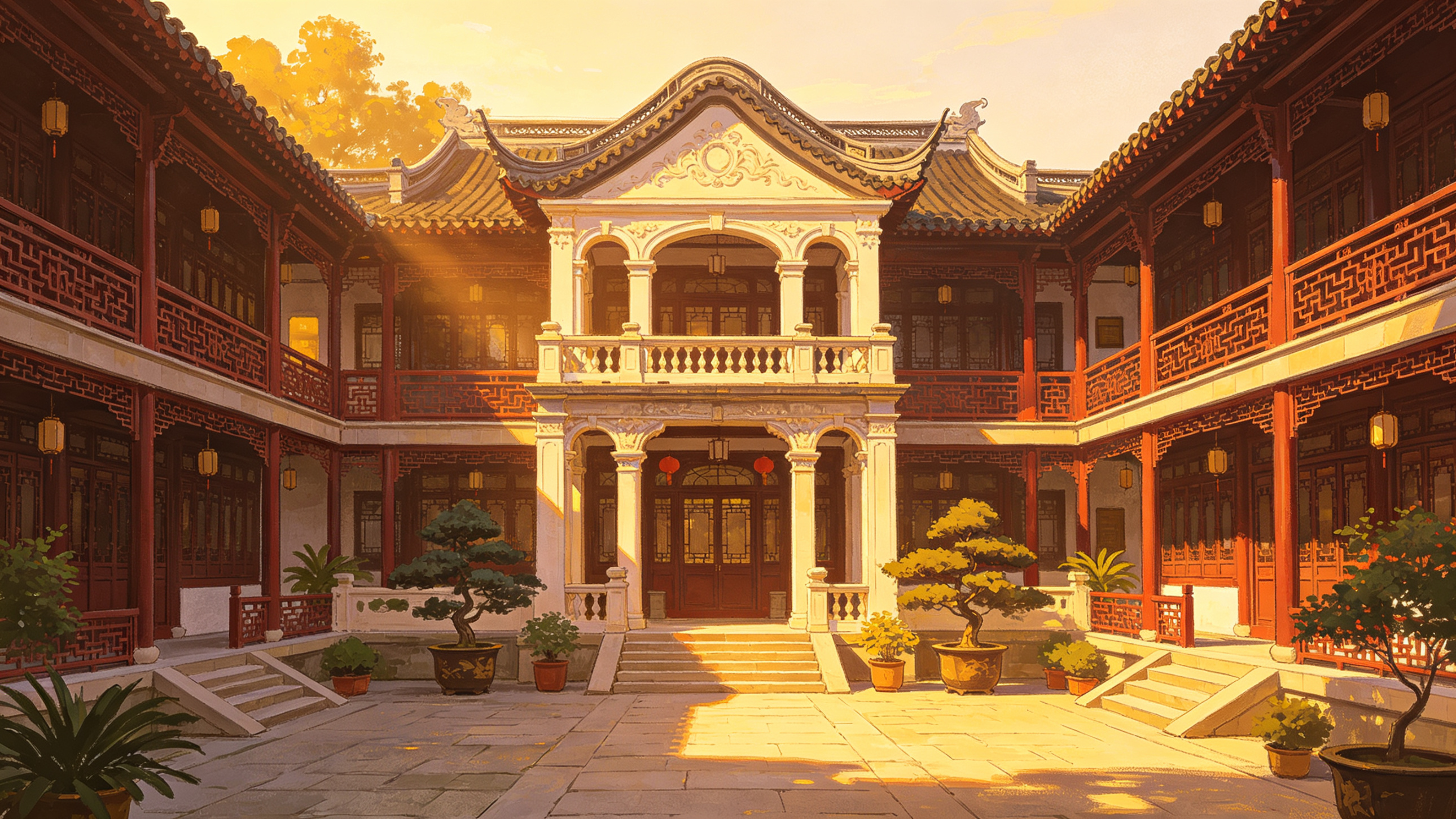
In the afternoon, you can go to Marshal Zhang’s Mansion. This was the official residence and private home of Zhang Zuolin, the Fengtian warlord of the Republican era, and his son Zhang Xueliang. It’s also China’s largest and best-preserved existing Republican-era warlord mansion. The mansion is very large, with several courtyards—East Courtyard, Middle Courtyard, West Courtyard, Zhao Yidi Former Residence… each has its own story.
Marshal Zhang’s Mansion’s architecture is also very distinctive—both traditional Chinese courtyard houses and Western-style buildings, as well as Japanese-style architecture. You can slowly visit inside, seeing the history and legendary stories of the Republican era. I recommend renting an audio guide, so you can learn more about the stories behind them.
Coming out from the mansion, you can visit the nearby Zhao Yidi Former Residence. This is where Zhang Xueliang’s confidante Zhao Yidi (Miss Zhao Si) once lived—a very exquisite small Western-style building. Although not big, it has a lot of character.
In the evening, you can stroll around Middle Street. This is Shenyang’s most famous commercial street, and also one of China’s oldest commercial streets, with over three hundred years of history. You can buy things here, or find a restaurant for dinner.
At night, you can have dinner at a restaurant near Middle Street. There are many restaurants in this area, all kinds. I recommend finding a Northeast cuisine restaurant to好好 taste the flavors of the Northeast.
Today’s highlight: Standing in front of the Hall of Great Policy in Shenyang Imperial Palace, watching the golden roofs and red pillars, suddenly feeling the momentum of the Manchu Qing before entering the pass.
Day 2: Beiling and Dongling — Qing Imperial Tombs and Royal Gardens, Feeling the City’s Weight
On the second day, let’s go see Shenyang’s two Qing Dynasty imperial tombs.
In the morning, you can go to Beiling Park (Zhaoling). This is the tomb of Huang Taiji, the founding emperor of the Qing Dynasty, and Empress Xiaoduanwen. It’s also the largest of the three tombs outside the pass. Beiling Park is very large—besides the tomb, there’s also a large park area with many trees and lakes, and the environment is very good.
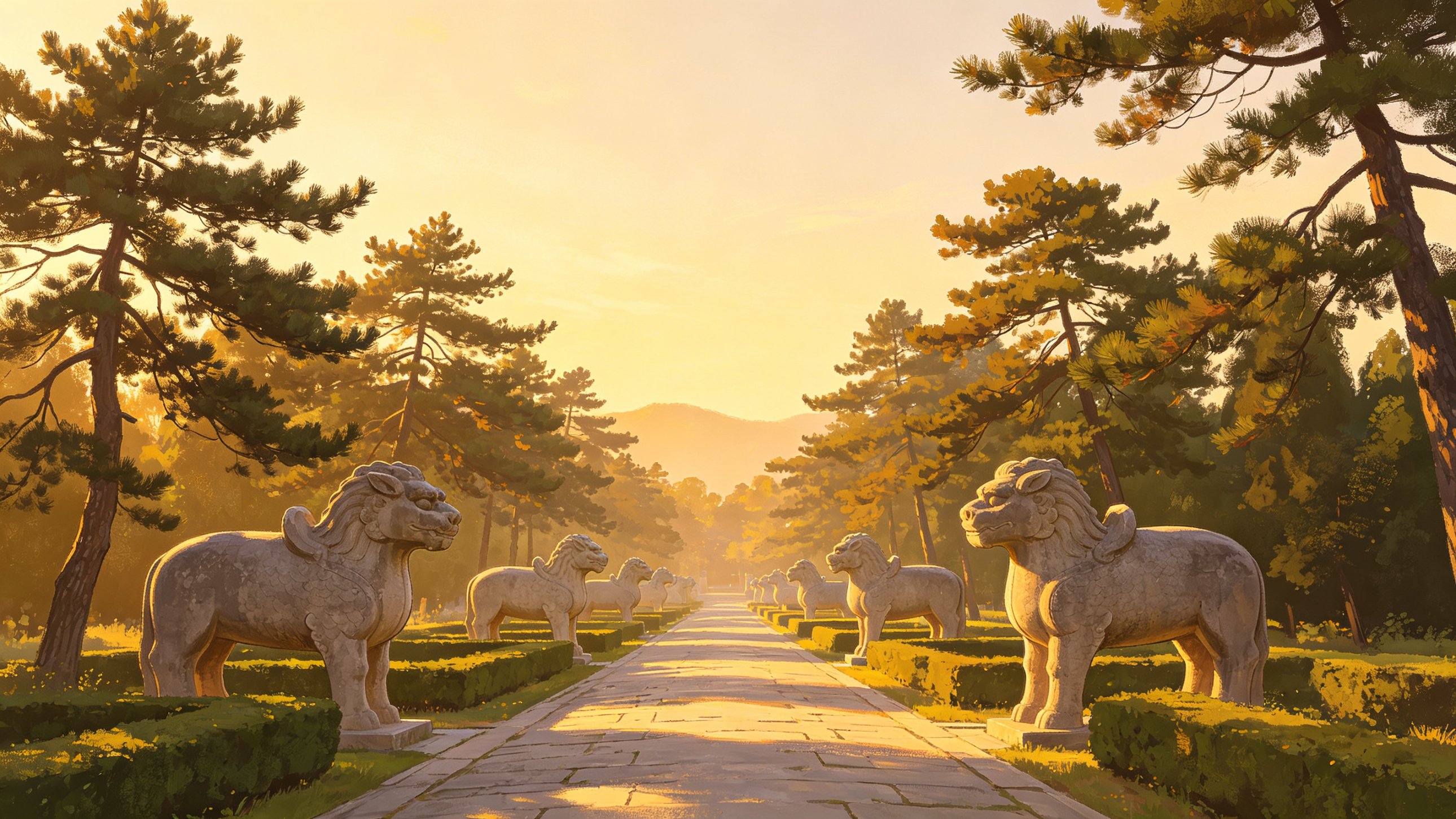
You can first take a walk in the park, see the scenery, then visit the tomb area. The tomb area’s buildings are very grand—Stele Pavilion of Merit and Virtue, Long’en Gate, Long’en Hall, Soul Tower… each place has a strong sense of history. The stone statues on both sides of the tomb are also very distinctive—stone lions, stone elephants, stone horses, stone camels… all very exquisite.
There are also many ancient pine trees in Beiling Park—said to be several thousand, all hundreds of years old. Walking in the pine forest, listening to birdsong, feels very tranquil. You can slowly stroll in the park, feeling the history and nature here.
For lunch, you can eat at a restaurant near Beiling Park. There are many restaurants in this area, all kinds.
In the afternoon, you can go to Dongling Park (Fuling). This is the tomb of Nurhaci, the founding emperor of the Qing Dynasty, and Empress Xiaoci Gao. It’s also one of the three tombs outside the pass. Dongling is a bit smaller than Beiling, but the terrain is higher and the scenery is also beautiful.
Dongling’s architecture is also very distinctive—the 108-step staircase is the most famous, said to symbolize the 36 Heavenly Gang and 72 Earthly Sha. Climbing the stairs, you can see the entire tomb’s panorama, and also overlook the scenery of Shenyang city.
If you’re interested in history, you can also visit the Shenyang Museum. This collects many cultural relics from the Shenyang area, from ancient times to the Ming and Qing dynasties—everything you can imagine. The most famous are the Qing Dynasty cultural relics—well worth seeing.
Back in the city in the evening, you can stroll around Xita Korean Style Street. This is where Shenyang’s Korean ethnic group lives, with many Korean restaurants and shops. You can have dinner here and taste Korean ethnic food—dagao (rice cake), cold noodles, kimchi, grilled beef… all delicious.
At night, you can have dinner at a restaurant near Xita. There are many Korean restaurants in this area, all pretty good. You can find one that looks good and order some Korean dishes, experiencing a different flavor.
Today’s highlight: Walking in the ancient pine forest of Beiling Park, listening to birdsong, watching the imperial tomb in the distance, suddenly feeling that this feeling of history and nature blending together is really beautiful.
Day 3: Republican Legends — Young Marshal Legend and September 18th History, Feeling the City’s Vicissitudes
On the third day, let’s feel Shenyang’s Republican-era history.
In the morning, you can go to the September 18th History Museum. This is a museum built to commemorate the September 18th Incident, and also one of China’s most famous anti-Japanese war memorials. The museum’s building is very distinctive—shaped like an open calendar, with “September 18, 1931” engraved on it.
The exhibitions in the museum are very detailed—from the background and process of the September 18th Incident, to the Northeast people’s anti-Japanese struggle—all have very detailed introductions. There are also many实物 and photos—very shocking. Although a bit heavy, it’s well worth seeing—it can让 us understand this period of history and cherish the peace we have now.
For lunch, you can eat at a restaurant near the museum. There are many restaurants in this area, all kinds.
In the afternoon, you can visit the Shenyang Finance Museum. This is a museum built on the old site of the former Shenyang Bianye Bank, and also China’s largest finance-themed museum. The museum’s building itself is very distinctive—a European-style building, very grand. The exhibitions inside are also very interesting—you can learn about the development history of Chinese finance, and also see many coins and financial cultural relics.
If you’re interested in industrial history, you can also visit the China Industrial Museum. This is China’s largest industrial museum, also rebuilt on the basis of old factories. There are many industrial machines and equipment in the museum, plus many exhibitions about China’s industrial development. As New China’s heavy industry base, Shenyang’s industrial history is very glorious—well worth learning about.
In the evening, you can stroll around Taiyuan Street. This is another famous commercial street in Shenyang—more modern, with many malls and restaurants. You can buy things here, or watch a movie, and feel Shenyang’s modern side.
At night, you can have dinner at a restaurant near Taiyuan Street. There are many restaurants in this area, all kinds. I recommend finding a grilled skewer shop to experience Northeast people’s nightlife—eating skewers, drinking beer, chatting—very lively.
Today’s highlight: At the September 18th History Museum, watching those historical photos and实物, suddenly feeling that our peaceful life now is really hard-won.
Day 4: Northeast Flavors — Food and Night Market, Feeling the City’s烟火气
On the fourth day, let’s feel Shenyang’s food and night market culture.
In the morning, you can go to Laobian Dumpling Restaurant for breakfast. This is Shenyang’s most famous time-honored brand, with over a hundred years of history, famous for dumplings. Laobian dumplings’ specialty is “Bian family dumplings”—thin skin, big filling, delicious taste—very good. Besides dumplings, there are also many other Northeast dishes—all pretty good.
After breakfast, you can stroll around Shenyang Road next to Shenyang Imperial Palace. There are many small shops and stalls in this area, selling all kinds of things—specialties, snacks, handicrafts… you can wander around casually and buy some small souvenirs.
For lunch, you can go to a Northeast cuisine restaurant for lunch. Shenyang’s Northeast cuisine is very authentic—you must好好 taste it. I recommend several classic Northeast dishes—guobaorou, disanxian, Northeast stewed dishes, Northeast big cold noodles… each is delicious, and the portions are large—very substantial.
In the afternoon, you can stroll around Wu’ai Market. This is Shenyang’s largest wholesale market, and also one of China’s famous wholesale markets. The market is very large, with several halls, selling all kinds of things—clothing, shoes and socks, general merchandise, food… everything you can imagine. Although a bit messy, it has a lot of life atmosphere. You can buy some cheap things here, or just wander around casually and feel the Northeast’s street-level culture.
If you like drinking tea, you can also go to Tea City to see. Shenyang’s tea culture is also well-developed, with many tea cities and teahouses. You can find a teahouse to sit, order a pot of tea, drink slowly, and feel the slow pace of this city.
In the evening, you can go to Xingshun Night Market or Tawan Xingshun Night Market. This is Shenyang’s most famous night market, with all kinds of snacks—grilled skewers, grilled squid, grilled chicken racks, Northeast grilled cold noodles, jianbing guozi… everything you can imagine. The night market is very lively, with many people—very much with烟火气.
At night, you can have dinner at the night market. Buy a little of everything, taste the flavors, then drink some beer—very satisfying. Northeast night markets are very distinctive—you must experience them.
Today’s highlight: In front of a grilled skewer stall at the night market, eating hot grilled skewers, drinking cold beer, listening to Northeast people chatting at the next table, suddenly feeling that this is the taste of life.
Day 5: Slow Shenyang — Parks and Coffee, Feeling the City’s Daily Life
On the last day, slow down and feel Shenyang people’s daily life.
In the morning, you can take a walk at Nanhu Park. This is a very large park in Shenyang’s urban area—with a very big lake, plus many trees and flowers. You can take a walk in the park, see the scenery, or find a bench to sit down and daydream. You can see many Shenyang locals exercising, dancing, singing, playing chess here—very much with life atmosphere.
Coming out from the park, you can stroll around the nearby Northeastern University. This is a famous university in China—the campus is beautiful, with many old buildings. You can take a walk on campus and feel the university atmosphere.
For lunch, you can eat at a restaurant near the school. There are many restaurants in this area, all kinds, and the prices are also more affordable.
In the afternoon, you can find a cafe to sit. Shenyang has many distinctive cafes—some in old houses, some in malls, some very literary, some very retro. You can order a coffee and sit there drinking slowly, reading a book, or just daydreaming, and feel the slow pace of this city.
If you like browsing small shops, you can also stroll around the alleyways near Middle Street or Taiyuan Street. Shenyang has many distinctive small shops—cafes, bookstores, cultural and creative shops, vintage stores… all worth visiting.
In the evening, you can take a walk by the Hun River. The Hun River is Shenyang’s mother river—the riverside scenery is beautiful. You can take a walk by the river, watch the sunset—very comfortable. There are also many bicycle paths by the river—if you like cycling, you can also rent a bicycle to ride along the river.
At night, you can go to Laobian Dumpling Restaurant or Majia Shaomai for your last Shenyang meal. Eat all the Northeast dishes you haven’t tried yet, drawing a perfect end to your five-day Shenyang trip.
Today’s highlight: On a bench in Nanhu Park, watching the Northeast uncles and aunties dancing next to me, suddenly feeling that this kind of ordinary but lively life is also pretty good.
From Northeast Cuisine to Skewers: Shenyang’s Food Map
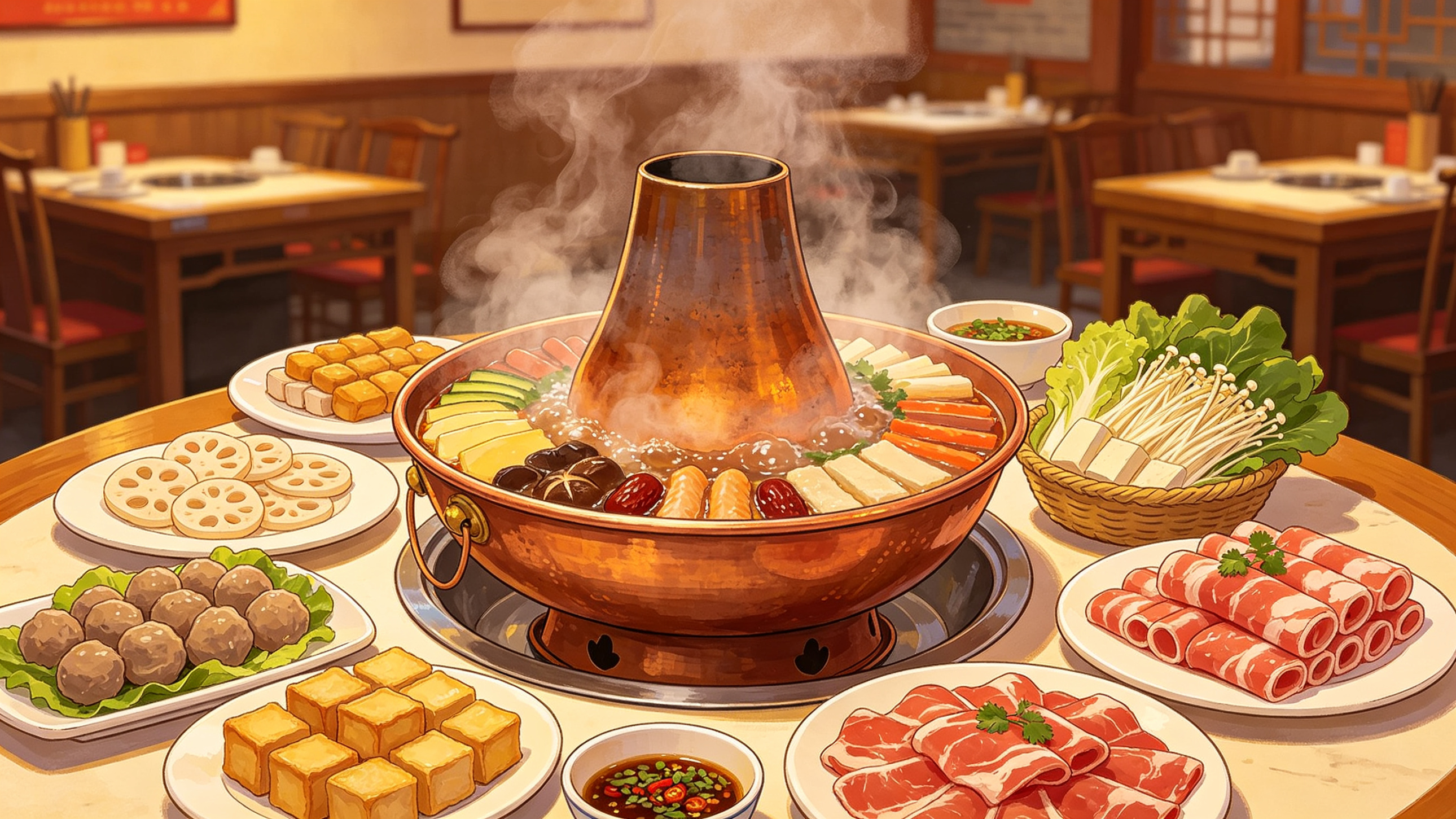
Shenyang is a city worth visiting专门 for food. There’s so much good food here—from classic Northeast cuisine to street-side skewers, each one makes you want more.
Here are some must-eat foods I recommend, and where to eat them:
1. Guobaorou (Sweet and Sour Pork)
Guobaorou is a classic Northeast dish, and also one of Shenyang people’s favorite dishes. Pork tenderloin sliced, coated in starch, then deep-fried, then drizzled with sweet and sour sauce. Crispy on the outside and tender inside, sweet and sour—very delicious.
- Recommended restaurant: Laobian Dumpling Restaurant, Shenyang Hotel
- Price range: ¥30-50
- Must-order: Guobaorou, disanxian
2. Northeast Stewed Dishes
Northeast stewed dishes are a Northeast specialty, and also Shenyang people’s favorite food in winter. There are many kinds—pork stewed with vermicelli, sour cabbage and white meat hot pot, chicken stewed with mushrooms… each is delicious. Stewed dishes’ characteristics are large portions, rich flavor, substantial—very Northeast-characteristic.
- Recommended restaurant: Northeast Home, Dalian Fishing Port
- Price range: ¥50-100/person
- Must-order: Sour cabbage and white meat hot pot, chicken stewed with mushrooms
3. Grilled Skewers
Grilled skewers are the soul of Shenyang’s nightlife, and also Northeast people’s favorite. All kinds of grilled skewers—lamb skewers, beef skewers, chicken wings, grilled squid, grilled vegetable rolls… everything you can imagine. Paired with a few bottles of beer, chatting with friends while eating—very satisfying.
- Recommended restaurant: Xingshun Night Market, Tawan Night Market
- Price range: ¥50-100/person
- Must-order: Lamb skewers, grilled squid, grilled chicken racks
4. Laobian Dumplings
Laobian dumplings are Shenyang’s time-honored brand, with over a hundred years of history, and also China’s famous dumpling brand. Laobian dumplings’ specialty is thin skin and big filling, delicious taste, and there are many kinds—pork cabbage, three fresh, leek and egg… each is delicious.
- Recommended restaurant: Laobian Dumpling Restaurant (multiple branches)
- Price range: ¥30-50
- Must-order: Three fresh dumplings, pork cabbage dumplings
5. Majia Shaomai
Majia Shaomai is Shenyang’s time-honored brand, with over two hundred years of history. Shaomai is a snack similar to dumplings, but with thinner skin and more filling, shaped like a flower. Majia Shaomai’s specialty is thin skin and big filling, delicious taste—very good.
- Recommended restaurant: Majia Shaomai Restaurant (multiple branches)
- Price range: ¥20-40
- Must-order: Beef shaomai, lamb shaomai
6. Chicken Racks
Chicken racks are Shenyang’s specialty snack, and also Shenyang people’s favorite. It’s the chicken skeleton, with a little meat on it—can be grilled, fried, marinated… all kinds of preparations. Although there isn’t much meat, it’s very flavorful—paired with beer, perfect.
- Recommended restaurant: Zhang’s Chicken Racks, Laosiji Chicken Racks
- Price range: ¥10-20
- Must-order: Grilled chicken racks, marinated chicken racks
7. Northeast Big Cold Noodles
Northeast big cold noodles are a classic Northeast cold dish—wide noodles made from sweet potato starch, with cucumber shreds, carrot shreds, cilantro, etc., then drizzled with sesame paste and chili oil. Cool and smooth, very appetizing—very suitable for eating in summer.
- Recommended restaurant: Most Northeast cuisine restaurants have it
- Price range: ¥15-25
- Must-order: Northeast big cold noodles, cold cucumber salad
Things You Need to Know Before You Go
Best Travel Season
The best travel seasons for Shenyang are May to June and September to October, when the weather is mild, neither too cold nor too hot—very suitable for sightseeing. Spring (April-May) you can also see cherry blossoms and peach blossoms—very beautiful. Autumn (September-October) is Shenyang’s most beautiful season, with clear autumn skies and blue skies, plus ginkgo leaves to see. Summer (July to August) is hotter, and rainy—not very recommended. Winter (December to February) is very cold, but you can see snow scenes and also go skiing, which also has its own charm.
Transportation Guide
- Airport: Shenyang Taoxian International Airport (SHE) is one of Northeast China’s largest airports. From the airport to the city center you can take subway line 2 south extension (about 1 hour), or take airport buses, taxis.
- High-speed rail: Shenyang has two main high-speed rail stations—Shenyang Station and Shenyang North Station. Both stations are in the city center, with convenient transportation.
- City transportation: Shenyang’s subway is very convenient, with several lines, can reach major attractions. Subway fares are calculated by distance, from 2 yuan to 8 yuan. You can also take buses or taxis, or use shared bikes.
Accommodation Area Suggestions
- Shenhe District (Imperial Palace/Middle Street): The most Shenyang-characteristic area, very close to many attractions—suitable for tourists.
- Heping District (Taiyuan Street): More modern, prosperous commerce, very convenient for eating, drinking, and having fun—suitable for travelers who like fashion.
- Huanggu District (Beiling): Quieter, closer to Beiling Park—suitable for travelers who like quiet.
- Hunnan District: New urban area, quite modern—suitable for business travelers.
Budget Reference
- Budget travel: ¥150-300 per day. Stay in youth hostels, eat at street stalls and snack shops, take public transportation, mainly free attractions.
- Comfortable: ¥400-800 per day. Stay in three-star hotels, eat at regular restaurants, occasionally have a nice meal, buy attraction tickets when needed.
- Luxury: ¥1,500+ per day. Stay in five-star hotels, eat at high-end restaurants, take taxis, experience everything.
Common Pitfalls and Tips to Avoid Them
- Scenic area tickets can be bought online in advance—sometimes cheaper.
- Night market things can be bargained, especially when buying clothes or small things.
- Taxis are generally law-abiding, but if you encounter one taking a detour, you can note down the license plate and complain.
- Restaurant tips aren’t necessary—mainland China doesn’t have a tipping culture.
- Shenyang is very cold in winter—if you come in winter, be sure to做好 warmth, bring thick coat, hat, gloves, scarf.
Shenyang is a very special city. It’s not refined enough, not gentle enough, even a bit rough and straightforward. But it has a very special magic—you don’t want to leave once you come, and you miss it once you leave.
Miss the Northeast cuisine here, miss the grilled skewers here, miss the heavy history here, miss the heroism and enthusiasm here.
Five days might not be enough for you to eat all of Shenyang’s foods, but it’s enough for you to fall in love with this city where Manchu Qing and Northeast blend, fall in love with the heroism and tenderness here.
Have you been to Shenyang? What do you like most about Shenyang? Welcome to share your Shenyang stories in the comments.
Travel Disclaimer: The travel information provided in this article is for reference only, including but not limited to attraction opening hours, ticket prices, transportation times, restaurant operating conditions, etc., all may change due to seasons, policies, or other factors. Please be sure to verify the latest information before departure, and plan your trip according to your own situation. Please pay attention to your own safety during travel and comply with local laws and regulations. This article does not constitute any travel advice or guarantee, and the author of this article does not assume any responsibility for any loss or inconvenience caused by referring to the content of this article.
Comments