
Have you ever experienced this: you buy something you’ve dreamed of, feel happy for three days, then start wanting the next thing? You get a promotion and raise, feel excited for a month, then start feeling it’s not enough? We think getting more will make us happy, but the truth is—the threshold of desire keeps rising.
Chapter 44 of the Tao Te Ching says: “Contentment brings no shame; knowing when to stop brings no danger. Thus you can endure.” These twelve words are Lao Tzu’s most powerful weapon against consumerism. Twenty-five hundred years ago there was no social media, no live streaming commerce, yet Lao Tzu saw through human weakness: Suffering comes not from having too little, but from wanting too much.
Today we discuss how to learn life’s most important lesson—contentment—in a world that encourages you to “never be satisfied.”
The Trap of Desire: Why You’ll Never Be Satisfied
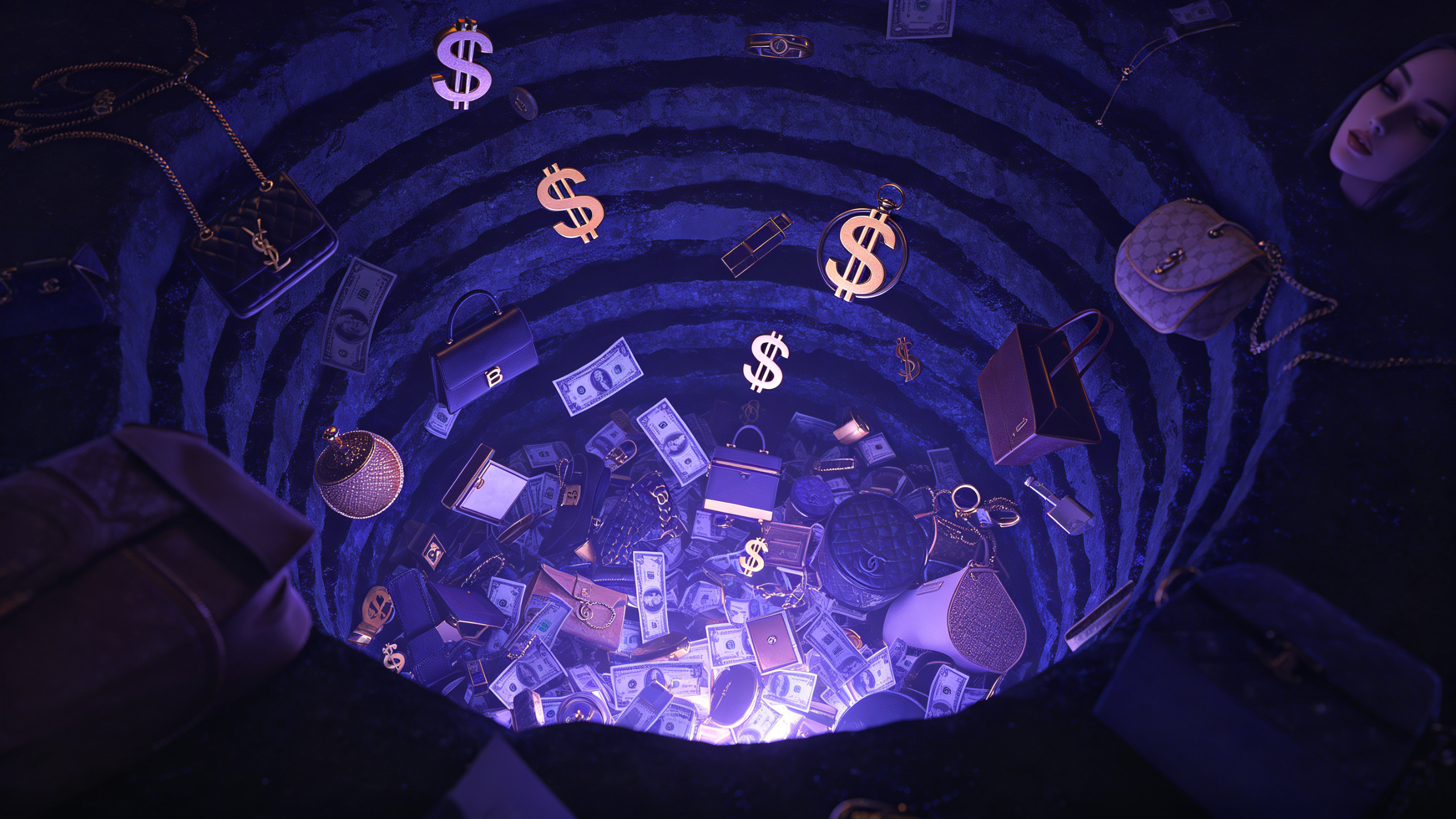
Lao Tzu asks: “Fame or life—which matters more? Life or wealth—which is worth more? Gain or loss—which is more harmful?”
These three questions deserve everyone’s quiet reflection.
Modern society’s most successful invention isn’t smartphones or the internet—it’s creating desires that can never be satisfied. Open social media and you always see others’ carefully curated perfect lives. Open shopping websites and algorithms precisely recommend what you “should own.” Even at work, companies tell you to “pursue excellence” and “never stop.”
Thus we enter a vicious cycle: work hard → buy things → temporary happiness → want more → work harder. No one forces this cycle, yet almost everyone voluntarily joins.
Even worse, this game has no end. When you earn your first million, you want ten million. When you move into a three-bedroom apartment, you want a four-bedroom house. Happiness always lies in the future, always in that thing you haven’t obtained yet.
Lao Tzu saw through all this long ago. Therefore he says: “The more you love, the more you spend; the more you hoard, the more you lose.” This isn’t superstition—it’s the law of human nature.
Consumerism Detox: Redefine “Enough”

The first step to learning contentment is redefining what “enough” means.
How big a house do you really need? How many clothes do you actually wear? How much money is enough? Most people never seriously consider these questions—our standard is always “a little more than now” or “a little better than others.”
But Lao Tzu teaches us that “enough” isn’t a quantity—it’s a state of mind.
Here are three simple questions to help you find your “enough point”:
First question: If you lost this tomorrow, would your life collapse? If the answer is no, this isn’t a necessity. Most things we buy, when lost, wouldn’t affect our lives—only our moods.
Second question: Will the happiness from this last more than a month? Most consumer happiness only lasts one to two weeks. The novelty of a new car, excitement of a new phone, joy of new clothes—all fade quickly. If happiness is so fleeting, is it worth months or years of labor?
Third question: After owning this, what price will I pay? A bigger house means more mortgage, more cleaning time. A nicer car means higher maintenance costs, more fear of scratches. Everything you own eventually owns you.
When you start examining every purchase with these three questions, you’ll be surprised to discover you need far less than you think.
Knowing When to Stop: True Wisdom is Restraint

“Contentment” is internal; “knowing when to stop” is external. Contentment is knowing how much you have is enough. Knowing when to stop is knowing when you’ve done enough.
Most people think success means “constantly advancing,” but Lao Tzu teaches us that knowing when to stop is a hundred times harder and more important than knowing when to advance.
Mountaineers understand this. Not everyone needs to reach the summit, and higher isn’t always better. Stop at the right altitude and you’ll still see the most beautiful scenery, plus have energy to descend safely. Those who force the summit often pay a terrible price.
Life is the same.
At work, promotion isn’t always better. Management means more responsibility, more stress, less time with family. If the costs exceed what you want, why must you climb?
In investing, earning more isn’t always better. Taking profits and securing gains is always more important than chasing the highest point. How many people lose all their profits—and more—out of greed?
In relationships, closeness isn’t always better. Maintaining proper distance, knowing what to say and what not to say—friendships actually last longer.
“Knowing when to stop” isn’t giving up or being passive—it’s choosing to stop at the optimal position. This requires tremendous wisdom and tremendous courage—because you must resist society’s voice telling you to “keep going.”
But Lao Tzu says such people “can endure.” Going far is always more important than going fast.
Daily Contentment: Three Practices You Can Start Today

Contentment isn’t innate—it can be practiced. Here are three simple daily exercises that cost nothing, require no special conditions, and you can start today.
Practice 1: Write three small things to appreciate each night Not major achievements—just small things: today’s coffee tasted great, you caught the bus on time, a colleague helped you. When you deliberately seek life’s small beauties, you’ll discover you already have so much.
Practice 2: The “Enough Already” Shopping Rule Before buying anything, ask yourself: “Do I already have something similar?” If yes, don’t buy it. If your closet has similar clothes, your home has similar items—why buy another?
Practice 3: Regular Decluttering Each month, discard or donate three things you haven’t used in over a year. The magic of this exercise: when you give things away, you don’t feel loss—you feel liberation. You’ll personally experience: Less ownership = more freedom.
Lao Tzu says: “No calamity is greater than discontent; no fault is greater than greed. Therefore the contentment of knowing contentment is everlasting contentment.”
This sounds simple, yet it’s the most powerful shield against our crazy world. When everyone tells you “you’re not enough yet,” you can gently but firmly say: “No, I am already enough.”
Contentment isn’t abandoning the pursuit of a better life—it’s learning to enjoy what you already have while pursuing what you want. That is true wealth. That is truly lasting happiness.
May we all learn this wisdom, living gracefully, contentedly, and freely in this world full of temptations.
This article is a popular interpretation of Eastern philosophical thought and does not constitute professional advice.
Comments