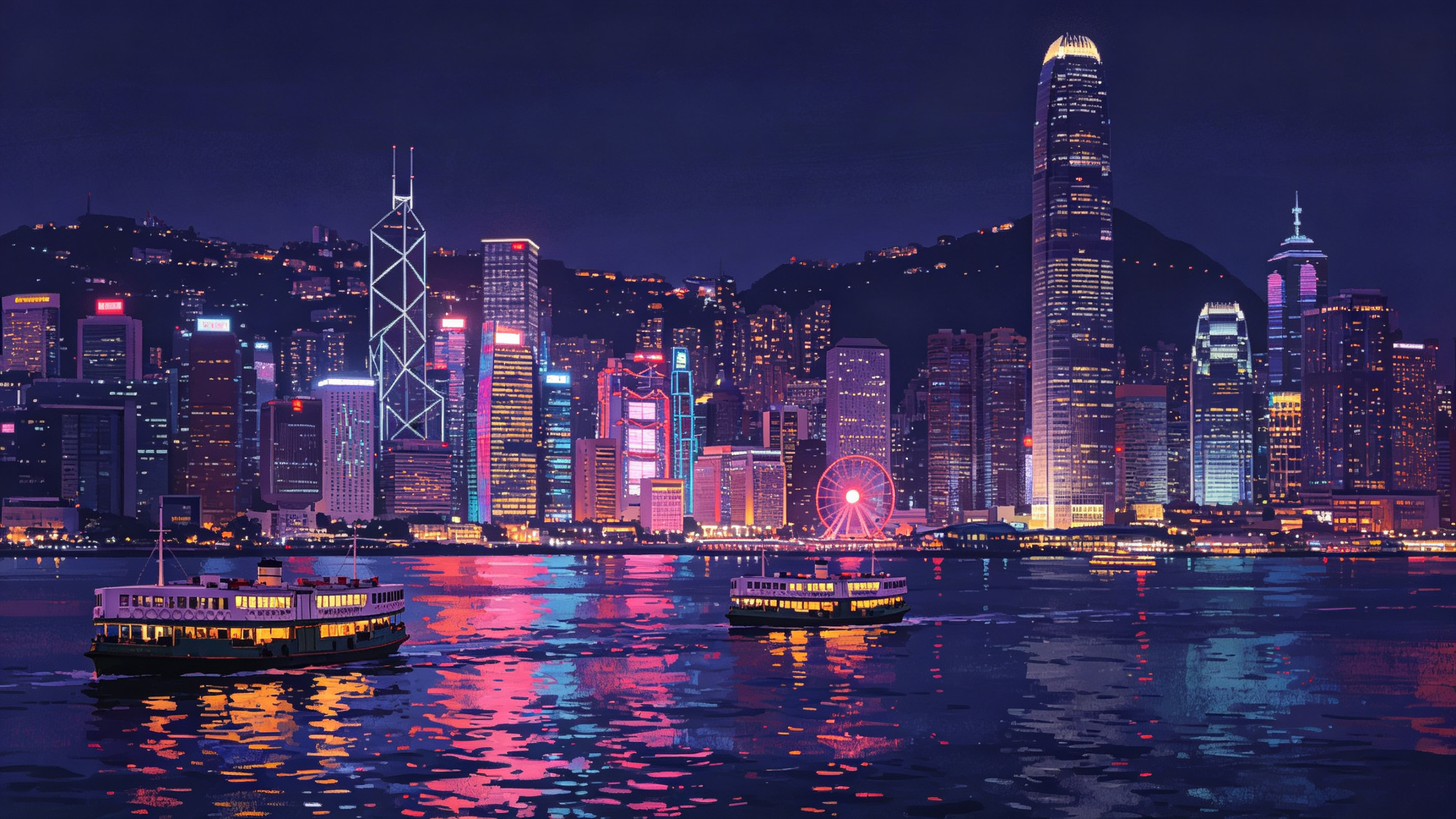
Night Lights and Street Life: A 5-Day Deep Dive into Hong Kong’s Dual Soul
Have you ever had that moment—standing on top of a skyscraper, looking down at a million neon lights, suddenly feeling this city is so far away from you; but then turning the corner, a steaming bowl of fish ball noodles arrives, and the owner greets you in Cantonese, and suddenly you feel the human warmth is so close.
Hong Kong is just such a city. Its A-side is the world’s financial center, the dazzling night view of Victoria Harbour, the glittering skyscrapers on the skyline; its B-side is the Temple Street Night Market in Yau Ma Tei, the old-style cha chaan tengs in Sham Shui Po, the elderly playing chess in the park, and the street vendors selling newspapers on the corner.
These two sides are never separate. They coexist in the same city, sometimes only separated by a single street.
Why spend five days experiencing Hong Kong? Because in one or two days you can only see its surface—the night view of Victoria Harbour, the laughter at Disneyland, the prosperity of shopping malls. But in five days, you can walk into its alleys, sit in a cha chaan teng listening to the people at the next table chatting in Cantonese, take the ferry from Central to Cheung Chau, watch the sunset and the lights come on from the Peak.
Five days is just enough for you to fall in love with both sides of this city.
Night Lights and Street Life: Why This Is Hong Kong’s Unique Character
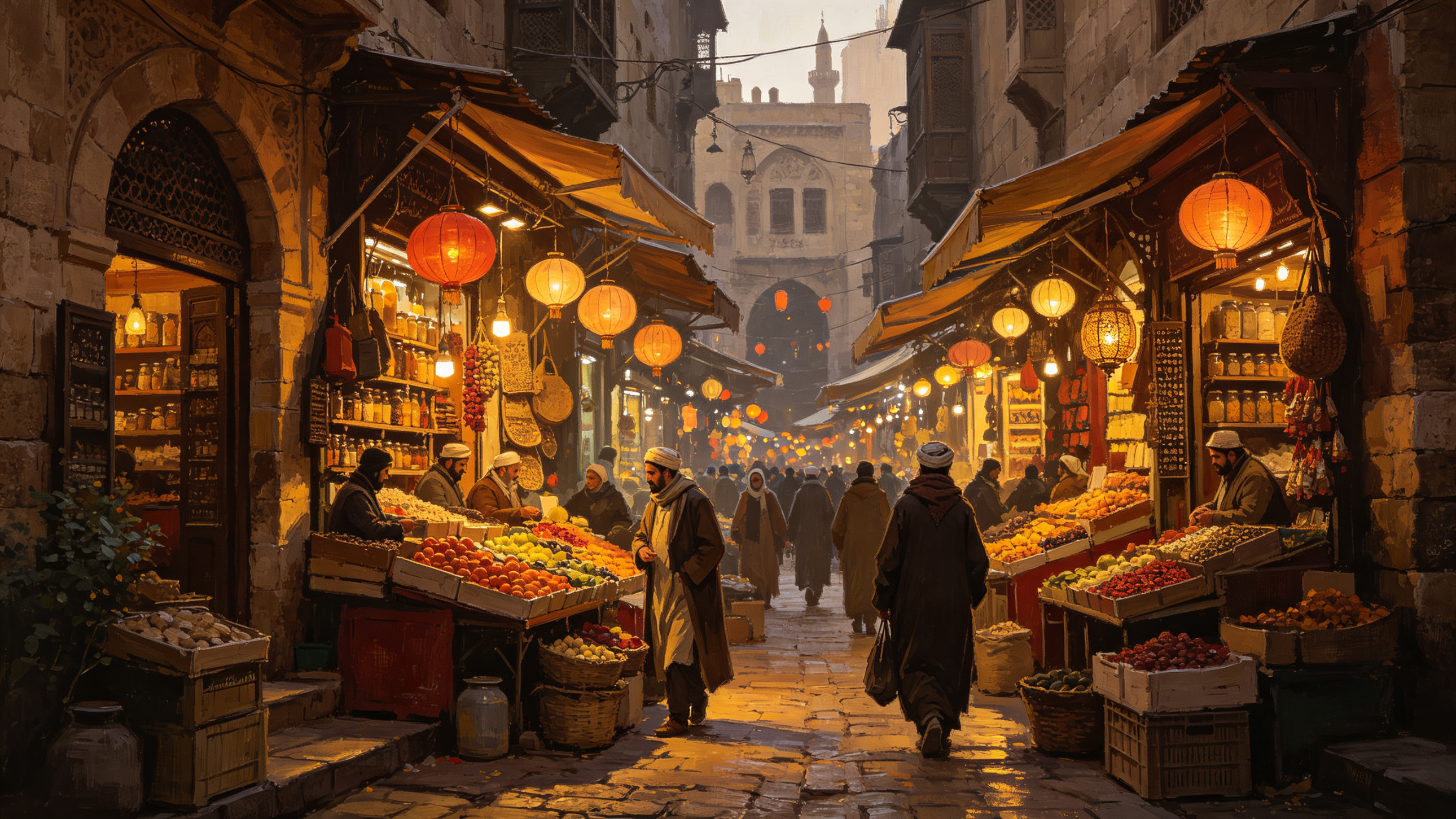
Many people’s impression of Hong Kong is either “shopping paradise” or “food capital.” But if you really stay here for a few days, you’ll find both labels are too shallow.
The real charm of Hong Kong lies in its “duality.”
This is an extremely crowded yet surprisingly orderly city. Over seven million people are squeezed into just over 1,100 square kilometers of land, most of which is mountains and bays. People live in high-rises, walk on footbridges, take the subway to shuttle around every corner of the city. But strangely, in such a crowded place, you rarely feel chaotic. The subway is on time, the streets are clean, and people politely queue up.
This is also an extremely modern yet surprisingly traditional city. Next to the glass curtain wall buildings in Central, there’s the century-old Central Market; opposite Times Square in Causeway Bay, there’s an old shop selling traditional herbal tea. People buy breakfast with mobile payments in the morning, and go to temples to burn incense in the afternoon.
This kind of blend of old and new, East and West, is what makes Hong Kong most special. You can hardly see this in other cities—New York is too new, Kyoto is too old, Shanghai is too big, but Hong Kong just blends these two extremes together.
When you travel here, what you gain is not just photos and souvenirs. What you gain is an experience of “so life can be like this”—that next to the most prosperous business district, there’s the most authentic street life; that opposite the fanciest restaurant, there’s the best street food.
Five Days, Walking into Hong Kong’s A-Side and B-Side
Day 1: Victoria Harbour Night View — Seeing the City’s Glamorous Coat
On the first day, I suggest you start from Tsim Sha Tsui.
Arrive in Hong Kong in the morning, drop off your luggage at the hotel first. If you’re staying in Tsim Sha Tsui, you can head out right after putting down your things. The first stop I recommend is the Avenue of Stars—not to take photos with celebrity handprints, but to stand by the sea and see the view of Victoria Harbour up close for the first time. The harbour during the day isn’t as sparkling as at night, but you can clearly see the skyline of Central across the water, those skyscrapers you’ve only seen in movies.
For lunch, you can have it at a cha chaan teng in Tsim Sha Tsui. I recommend trying pineapple bun with butter, milk tea, and instant noodles—this is the most everyday lunch for Hong Kong people, and also the best way to experience local life.
In the afternoon, you can take the Star Ferry across the harbour to Central. This route has a history of over a hundred years, the ticket only costs a few Hong Kong dollars, but it’s one of the most beautiful ferry routes in the world. Standing on the deck, with the sea breeze blowing, the buildings on both sides slowly receding—that feeling is wonderful.
When you get to Central, you can stroll around Central Market and Tai Kwun—the former is a renovated traditional market, now a gathering place for hipsters; the latter is an arts space converted from the old Central Police Station, well worth spending an hour or two slowly exploring.
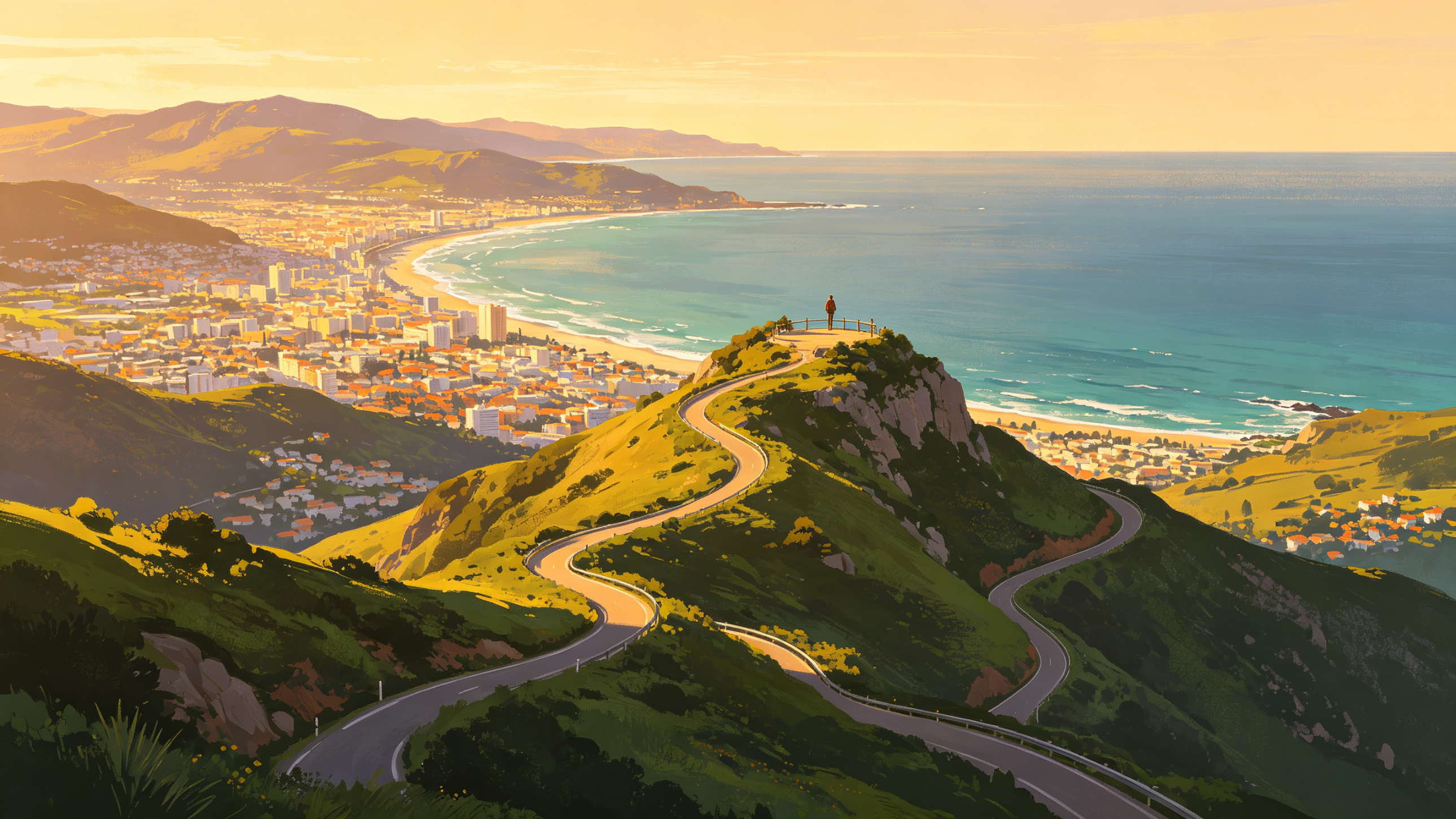
In the evening, take the Peak Tram up to Victoria Peak. I recommend buying a tram package that includes the Sky Terrace observation deck. Sit on the right side when going up the mountain, the view is best. When you reach the top, don’t rush to take photos—find a place to sit and wait for the sun to slowly set.
When it gets completely dark and the lights below turn on one by one, you’ll understand why this is called “one of the world’s three great night views.” That kind of shock can’t be captured in photos, you have to see it with your own eyes.
After seeing the night view, you can take the tram back down to Central, then go for a walk in Lan Kwai Fong. You don’t have to go in for drinks, just walk around the street and feel the vitality of this city at night.
Today’s highlight: From the deck of the Star Ferry, seeing the night view of Victoria Harbour for the first time.
Day 2: Street Life Daily — Walking into Old Hong Kong’s Human Fireworks
On the second day, walk into Hong Kong’s B-side.
In the morning, take the subway to Sham Shui Po. This is one of the most street-like areas in Hong Kong, and also where many old Hong Kong people live. As soon as you exit the subway station, you can feel the difference from Central and Tsim Sha Tsui—the streets are narrower, there are more signs, and people’s pace seems a bit slower.
You can start by strolling down Apliu Street. This street is famous for selling electronics and second-hand goods, but what’s more interesting is watching the people on the street—vendors selling phone cases, old masters repairing watches, elderly people playing chess on the roadside.
For lunch, I recommend going to Wai Kee Noodle Shop for a bowl of fish ball noodles. This shop has been open for decades and is a local favorite. The fish balls are bouncy, the soup is sweet, and with a cup of hot milk tea, it’s the most authentic Hong Kong breakfast (even though it’s already noon, Hong Kong people can eat breakfast anytime).
In the afternoon, you can take the subway to Yau Ma Tei and stroll around Temple Street. Temple Street during the day isn’t as lively as at night, but you can see the daily life here—vendors selling clothes, fortune-telling stalls, roadside herbal tea shops.
If you’re interested in old buildings, you can check out the Yau Ma Tei Theatre and the Fruit Market. The Fruit Market is one of Hong Kong’s few remaining traditional fruit wholesale markets, busiest in the morning, but you can still see some traces in the afternoon.
In the evening, return to Temple Street, where it starts to get lively. The roadside vendors set up one by one, selling clothes, accessories, snacks, everything. You can buy a skewer of fish balls, a piece of waffle, and eat while walking.
For dinner, you can eat at the roadside dai pai dong in Temple Street Night Market. I recommend trying typhoon shelter crab, stir-fried clams with black bean sauce, paired with a cold beer—that’s the most authentic Hong Kong nightlife.
Today’s highlight: In a cha chaan teng in Sham Shui Po, listening to the old man at the next table chatting in Cantonese—even though I couldn’t understand much, it felt very warm.
Day 3: Between Mountains and Sea — Discovering Hong Kong’s Natural Beauty
Many people don’t know that Hong Kong actually has over 70% of its land as country parks and nature reserves. This city isn’t just about skyscrapers, it also has mountains and sea.
On the third day, I suggest going to Lamma Island.
In the morning, take the ferry from Central Pier to Lamma Island, the journey takes about 30 minutes. Lamma Island is Hong Kong’s third largest island, and also a place where many expats and locals go for weekend getaways. There are no cars on the island, people get around by walking and cycling, and the pace is much slower than the city.
I suggest disembarking at Yung Shue Wan pier, then walking along the coastal trail to Sok Kwu Wan, the whole journey takes about two hours. Along the way you’ll pass beaches, fishing villages, mountain trails, the scenery is very beautiful. If you get tired, you can buy a drink at a roadside shop and sit by the sea to enjoy the breeze.
When you reach Sok Kwu Wan, you can have lunch at a seafood restaurant. I recommend trying steamed garoupa, steamed scallops with garlic vermicelli—fresh and delicious.
In the afternoon, you can wander around the island, or find a beach to sit on. I suggest taking the ferry back to the city in the evening, watching the sunset on the boat, with the sea breeze blowing—very comfortable.
After returning to the city, if you still have energy, you can go for a stroll in Sai Wan. This is an old community on the west side of Hong Kong Island, with many long-established restaurants and coffee shops. I recommend going for a walk by the sea in Kennedy Town, watching the container terminal at sunset—it has a special flavor.
Today’s highlight: On the coastal trail of Lamma Island, walking to the sound of the waves, forgetting that you’re in a city of seven million people.
Day 4: Cultural Depth — Feeling the City’s Art and History
On the fourth day, let’s do something cultural.
In the morning, you can go to the West Kowloon Cultural District. This is a cultural park that Hong Kong has been focusing on building in recent years, with the Palace Museum, M+ Museum of Visual Culture, Xiqu Centre, and more. If you’re interested in art, I suggest spending half a day visiting M+—it’s one of the largest modern art museums in Asia, with a very rich collection.
For lunch, you can eat at a restaurant in the West Kowloon Cultural District, or walk to nearby Tsim Sha Tsui for a meal.
In the afternoon, you can go to the Hong Kong Museum of History. This museum systematically introduces Hong Kong’s history from ancient times to modern times—from fishing village to colony, from industrialization to financial center. Looking through it all, you’ll have a deeper understanding of this city.
If you’re not that interested in history, you can also go for a stroll in Causeway Bay. This is one of Hong Kong’s busiest shopping areas, with Times Square, Sogo Department Store, and other large malls. But don’t just shop in the malls—remember to walk into the side alleys, where there are many hidden shops and restaurants.
In the evening, I recommend going to Victoria Harbour to watch “A Symphony of Lights”—this is a large-scale light and music show, held every night at 8 PM, free to watch. Find a good spot to stand, watch the buildings on both sides change lights with the music—although it’s a bit touristy, it’s still worth seeing.
After the light show, you can walk along the seaside in Tsim Sha Tsui, enjoy the sea breeze, and look at the night view.
Today’s highlight: By the floor-to-ceiling windows of the M+ Museum, looking at art while also looking at the view of Victoria Harbour.
Day 5: Island Slow Life — Experiencing Hong Kong’s Slow Pace
On the last day, slow down.
In the morning, take the subway to Tung Chung, then transfer to the Lantau Bus to Tai O. Tai O is a fishing village on Lantau Island, known as the “Venice of the East,” most famous for its stilt houses—houses built on the water, supported by wooden piles, very distinctive.
In Tai O you can visit the fishing village, see the stilt houses, and buy dried seafood. I recommend trying the local Tai O shrimp paste noodles, and charcoal egg waffles.
If you’re interested, you can also take a boat out to see Chinese white dolphins—although you might not see them, it’s still a nice experience.
In the afternoon, you can take the bus from Tai O to Ngong Ping, and visit the Tian Tan Buddha and Po Lin Monastery. The Tian Tan Buddha is one of the largest bronze seated Buddhas in the world, very majestic. To get to the Buddha’s feet, you need to climb over 200 steps, but the view after climbing up is very good.
If you don’t want to climb stairs, you can also stroll around Po Lin Monastery, or eat a bowl of vegetarian noodles.
In the evening, take the Ngong Ping 360 cable car back to Tung Chung. I recommend buying a ticket for the crystal cabin—the floor is transparent, you can see the entire Lantau Island scenery and the airport runway, very exciting.
After returning to the city, if you still have time, you can buy some souvenirs. I recommend buying cookies from Cookie Quartet, bear cookies from Jenny Bakery, or some preserved fruits and sauces.
Today’s highlight: On the Ngong Ping 360 crystal cable car, with the whole mountain and sea view under your feet—it feels like flying in the sky.
From Street Stalls to Michelin: Hong Kong’s Food Map
Hong Kong is a very special food city—it has both the most Michelin-starred restaurants in the world and the best street food in the world. Here, you can spend thousands of dollars on a Michelin three-star meal, or spend a few dozen dollars on a bowl of fish ball noodles from a street stall, and both can make you feel “this money was well spent.”
Here are some must-eat foods I recommend, and where to eat them:
1. Fish Ball Noodles
Fish ball noodles are one of Hong Kong people’s most everyday foods, almost every community has one or two fish ball noodle shops. Good fish balls are bouncy and chewy, the soup is sweet, paired with thin noodles and vegetables—simple but delicious.
- Recommended shop: Wai Kee Noodle Shop (Sham Shui Po)
- Price range: HK$30-50
- Must-order: Fish ball noodles, milk tea
2. Pineapple Bun with Butter
Pineapple bun with butter is a classic of Hong Kong cha chaan tengs—freshly baked pineapple bun, with a slice of frozen butter in the middle, crispy on the outside and soft on the inside when you bite into it, the hot bread and cold butter melting in your mouth—that texture is wonderful.
- Recommended shop: Kam Wah Cafe (Mong Kok)
- Price range: HK$15-25
- Must-order: Pineapple bun with butter, iced milk tea
3. Typhoon Shelter Crab
Typhoon shelter crab is Hong Kong’s classic seafood dish, stir-fried with lots of garlic, chili, and black bean sauce, the crab meat is sweet, the garlic aroma is rich, very good with rice.
- Recommended shop: Under Bridge Spicy Crab (Causeway Bay)
- Price range: HK$300-600/person
- Must-order: Typhoon shelter crab, stir-fried clams with black bean sauce
4. Dim Sum
Hong Kong’s dim sum culture has a long history, yum cha is one of Hong Kong people’s favorite weekend activities. Shrimp dumplings, siu mai, char siu bao, chicken feet… each one is small and exquisite, delicious and beautiful.
- Recommended shop: Dim Dim Sum (multiple branches)
- Price range: HK$100-200/person
- Must-order: Shrimp dumplings, siu mai, char siu bao, lava custard buns
5. Cart Noodles
Cart noodles are Hong Kong’s street food, you can choose your own noodles, toppings, and soup base, a bowl of noodles can have a dozen toppings, very rich.
- Recommended shop: Wing Nin Store (Causeway Bay)
- Price range: HK$40-60
- Must-order: Custom toppings cart noodles
6. Hong Kong-style Milk Tea
Hong Kong-style milk tea is Hong Kong’s national drink, brewed with multiple types of tea leaves, plus evaporated milk, the taste is rich, the tea aroma is full. Good milk tea should “hang on the cup”—the milk tea will leave a layer of color on the inner wall of the cup.
- Recommended shop: Almost every cha chaan teng has it
- Price range: HK$15-25
- Tip: Ordering “hot milk tea” lets you taste the tea aroma better than iced milk tea
7. Egg Waffles
Egg waffles are Hong Kong’s street snack, made by pouring batter into a special mold and baking, the baked small cakes look like a bunch of grapes, crispy on the outside and soft on the inside, with a strong egg aroma.
- Recommended shop: Lee Keung Kee North Point Egg Waffles (North Point)
- Price range: HK$20-30
- Must-order: Original egg waffles
Things You Need to Know Before You Go
Best Travel Season
The best travel season for Hong Kong is October to December, when the weather is cool and there’s little rain, very suitable for sightseeing. Next is March to April, the weather is mild, but occasionally there’s fog. Summer (June to August) is very hot and humid, and there are typhoons, not very recommended. Winter (January to February) is cooler, but the damp cold feeling is a bit uncomfortable.
Transportation Guide
- Airport: Hong Kong International Airport (HKG) is Asia’s aviation hub, about an hour and a half flight from Taiwan. From the airport to the city you can take the Airport Express (about 24 minutes to Central), or take buses, taxis.
- High-speed rail: If coming from mainland China, you can take the high-speed rail to Hong Kong West Kowloon Station, then transfer to the subway to the city.
- City transportation: Hong Kong’s subway (MTR) is very convenient, almost can reach all major attractions. I recommend buying an Octopus card, not only can you take the subway, bus, ferry, but also spend at convenience stores, restaurants.
Accommodation Area Suggestions
- Tsim Sha Tsui: The most popular area for tourists, convenient transportation, easy to shop and eat, but hotel prices are more expensive.
- Central/Sheung Wan: Business district, suitable for business travelers and people who like nightlife, but quieter at night.
- Causeway Bay: Shopping paradise, lots of young people, very lively, but hotel prices aren’t cheap either.
- Mong Kok/Yau Ma Tei: More local flavor, relatively cheaper hotel prices, also convenient transportation, suitable for budget travelers.
Budget Reference
- Budget travel: HK$500-800 per day. Stay in a youth hostel, eat at street stalls and cha chaan tengs, take public transportation, mainly free attractions.
- Comfortable: HK$1,500-2,500 per day. Stay in a three-star hotel, eat at cha chaan tengs and regular restaurants, occasionally have a nice meal, buy attraction tickets when needed.
- Luxury: HK$5,000+ per day. Stay in a five-star hotel, eat at Michelin restaurants, take taxis, experience everything.
Common Pitfalls and Tips to Avoid Them
- Don’t buy electronics in tourist areas, they’re more expensive and might be counterfeit.
- Be careful with roadside fortune-telling stalls, some will ask for exorbitant prices.
- Taxis are generally law-abiding, but if you encounter one taking a detour, you can note down the license plate and complain.
- Restaurant tips aren’t necessary, most restaurants charge a 10% service fee. If you think the service is good, you can give a little more, but it’s not mandatory.
- When shopping remember to ask the price clearly, some roadside stalls don’t have fixed prices, you can bargain.
Hong Kong is a very wonderful city. It’s small, so small that you can go from the most prosperous business district to the most authentic fishing village in one day; it’s also big, so big that you can come ten times and still discover new surprises.
Five days might not be enough for you to see all the faces of this city, but it’s enough for you to fall in love with its night lights and street life, fall in love with its glamour and simplicity, fall in love with its A-side and B-side.
Have you been to Hong Kong? Which side of Hong Kong do you like best? Welcome to share your Hong Kong stories in the comments.
Travel Disclaimer: The travel information provided in this article is for reference only, including but not limited to attraction opening hours, ticket prices, transportation times, restaurant operating conditions, etc., all may change due to seasons, policies, or other factors. Please be sure to verify the latest information before departure, and plan your trip according to your own situation. Please pay attention to your own safety during travel and comply with local laws and regulations. This article does not constitute any travel advice or guarantee, and the author of this article does not assume any responsibility for any loss or inconvenience caused by referring to the content of this article.
Comments