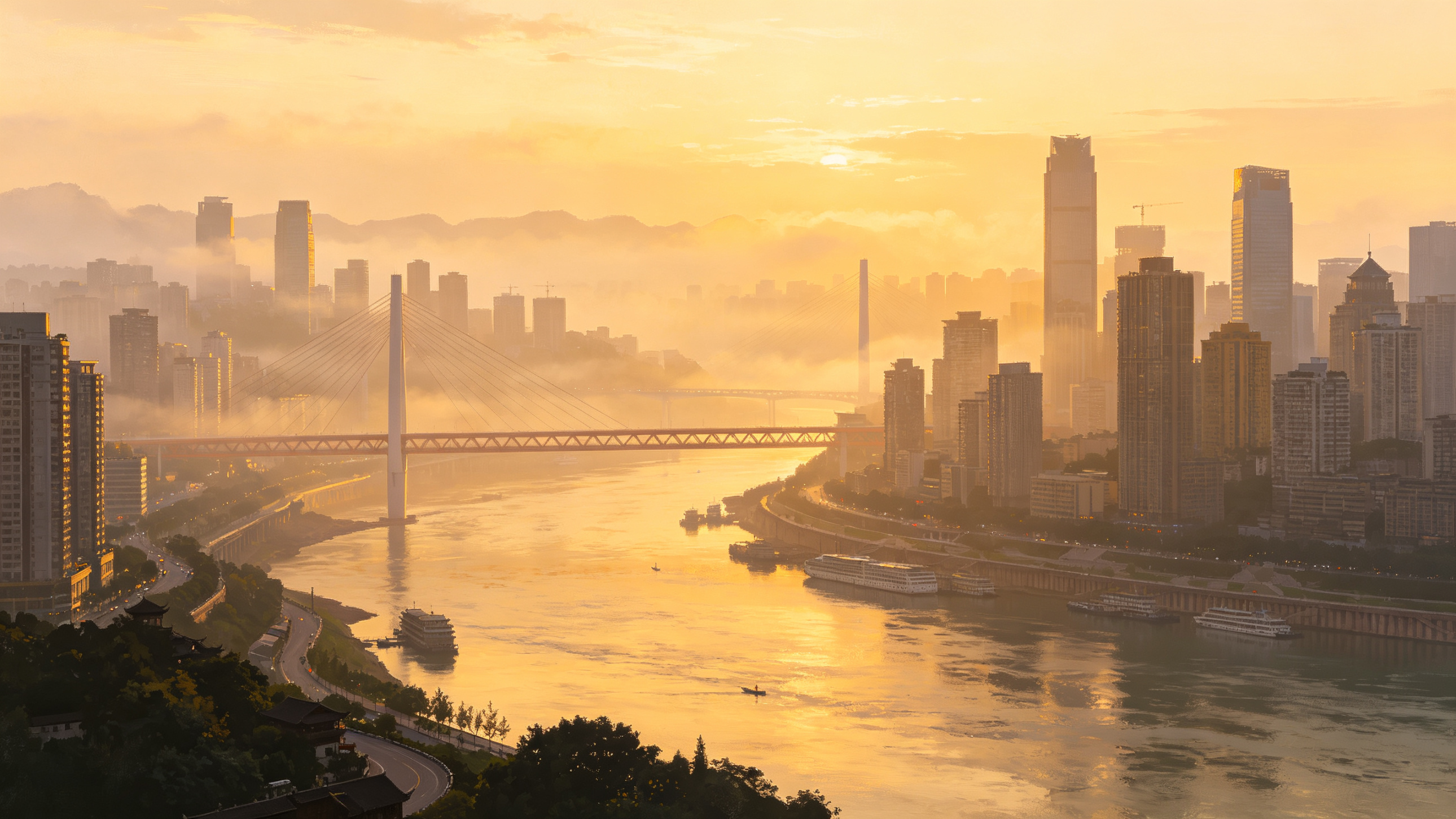
Rivers and Breakfast: A 5-Day Deep Dive into Wuhan, the River City’s Human Fireworks
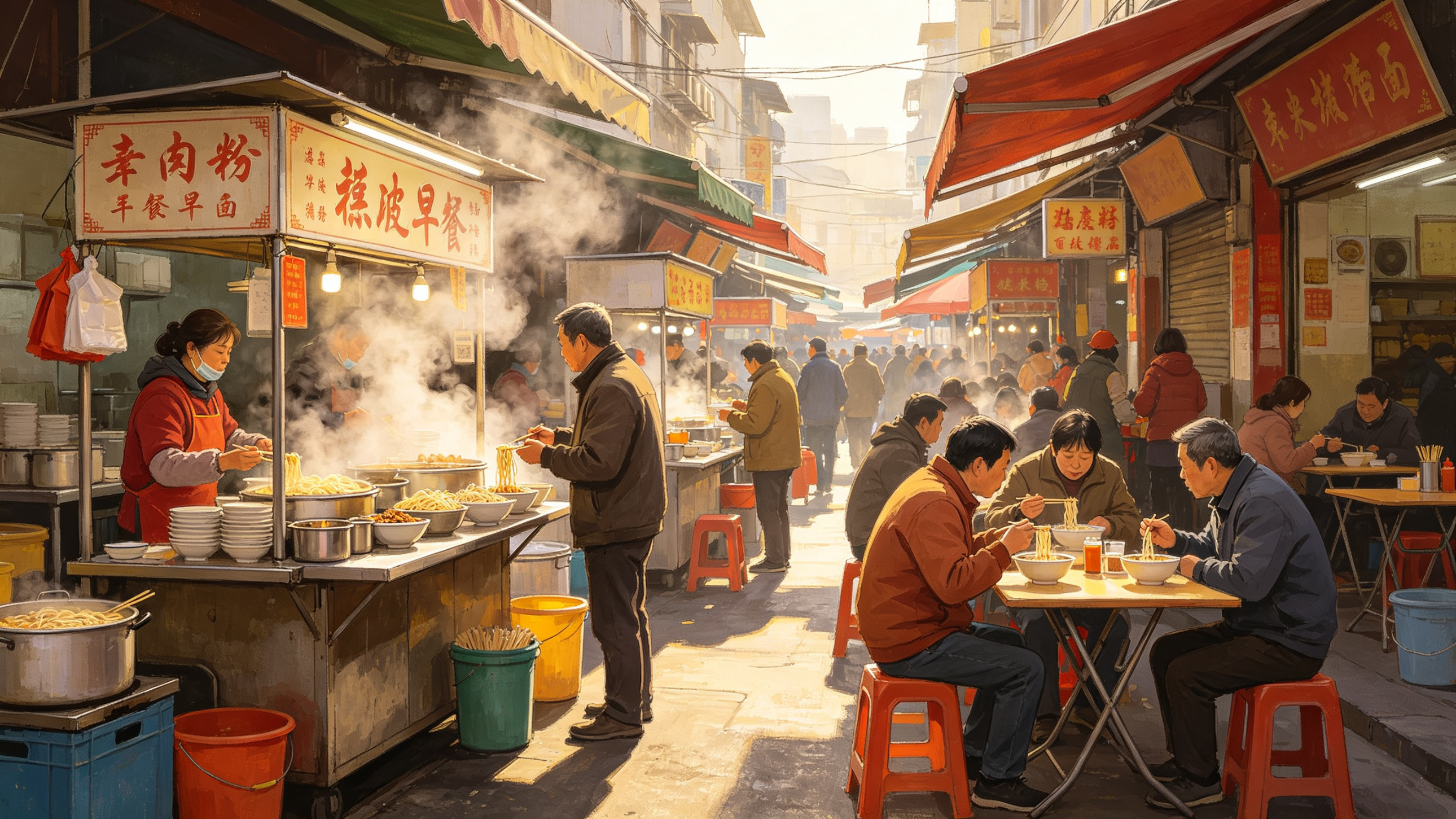
Have you ever had that experience—at six o’clock in the morning, walking through a city where the air smells like sesame paste, where breakfast stalls already have long queues, and people are standing on the roadside eating hot dry noodles.
Wuhan is just such a city.
It’s called the “River City” because the Yangtze River and Han River meet here, dividing the city into three towns: Wuchang, Hankou, and Hanyang. People here start every day with a bowl of hot dry noodles. For them, breakfast isn’t just something casual—it’s something serious—Wuhan people call eating breakfast “guo zao” (passing the morning), and that one word “pass” shows how important breakfast is in their hearts.
Many people’s impression of Wuhan is just “hot dry noodles,” “Yellow Crane Tower,” “Wuhan University.” But if you really stay here for a few days, you’ll find this city has more than just that. It has riverside swagger, street flavor, profound historical heritage, and a kind of magic that makes it unforgettable once you come.
Why spend five days experiencing Wuhan? Because in one or two days you can only taste its breakfast and see its landmarks. But in five days, you can walk into its old streets and feel the city’s riverside swagger; you can walk by East Lake and watch the sunset; you can go to Hubu Lane and eat all kinds of snacks, experiencing the city’s human fireworks; you can also go to Wuhan University and feel the city’s scholarly atmosphere.
Five days is just enough for you to fall in love with this both bold and gentle city.
Why Wuhan? A River City That Turns Breakfast Into a Ritual
Many people’s impression of Wuhan is just “hot dry noodles” and “Yellow Crane Tower.” But if you really understand this city, you’ll find both labels are too shallow.
Wuhan’s real charm lies in its “riverside swagger.”
This is a very special city. It’s not as profound as Beijing, not as refined as Shanghai, not as pragmatic as Guangzhou. It has a very unique temperament—bold, direct,讲究 loyalty. Here, you won’t see people beating around the bush, everyone is straightforward, as if saying “say what you mean, don’t beat around the bush.”
Wuhan people’s personalities have a lot to do with the city’s geographical environment. The Yangtze and Han rivers meet here, and since ancient times it’s been a water and land wharf, where people from north and south gather. Wharf culture has cultivated Wuhan people’s bold, loyal personality—they speak loudly, do things decisively, and when making friends they care about “whether we click,” and if we do, we’re friends for life.
This riverside swagger is also reflected in Wuhan’s breakfast culture. The variety of breakfast in Wuhan is among the richest in all of China—hot dry noodles, mianwo, doupi, shaomai, fish paste soup, sticky rice chicken… everything you can imagine. Wuhan people’s重视 of breakfast is simply surprising—they can get up half an hour early for a bowl of delicious hot dry noodles; they can queue for twenty minutes for a good doupi shop. In their view, a day’s plan is in the morning, and only after a good breakfast does the day really begin.
But Wuhan isn’t just about riverside swagger. It also has profound cultural heritage—Yellow Crane Tower is one of the three great towers south of the Yangtze, with a thousand years of history; Wuhan University is one of China’s most beautiful universities, and when cherry blossoms bloom every year, tourists from all over the country come to see it; the Marquis Yi of Zeng’s bronze bell set in Hubei Provincial Museum is a national treasure-level cultural relic.
When you travel to Wuhan, what you gain isn’t just which foods you ate or which attractions you saw. What you gain is a feeling that “life can be this lively”—that breakfast can be this rich, that people can be this direct with each other, that being lively is a good life.
Five Days, Walking into the River City’s Human Fireworks
Day 1: First Encounter with Wuhan — From Yellow Crane Tower to Hubu Lane, Feeling the City’s Liveliness
On the first day, I suggest you start from Wuchang.
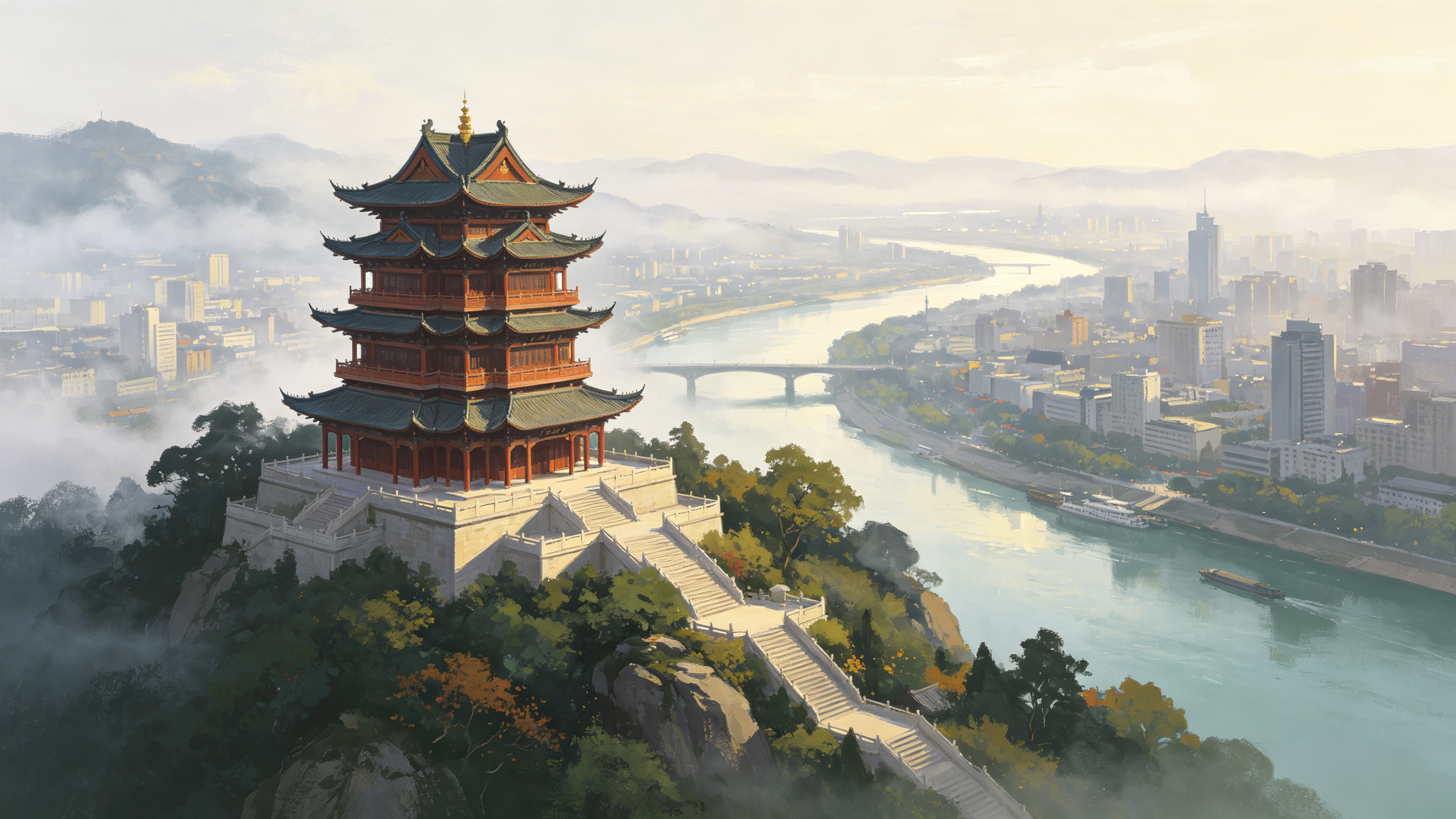
Arrive in Wuhan in the morning, drop off your luggage at the hotel first. If you’re staying in Wuchang district, you can head out right after putting down your things. The first stop I recommend is Yellow Crane Tower—this is Wuhan’s landmark, and also one of the three great towers south of the Yangtze. You can take the subway to Yellow Crane Tower station, then walk over.
Yellow Crane Tower was first built during the Three Kingdoms period, and has been destroyed and rebuilt many times since then. The current Yellow Crane Tower was rebuilt in 1985. Although it’s not an ancient site, the view from the tower overlooking the Yangtze River and Wuhan’s three towns is still very spectacular. Inside the tower there are also many exhibitions about Yellow Crane Tower’s history, as well as poems written by literati through the ages—well worth seeing.
Coming down from Yellow Crane Tower, you can take a walk on the nearby Yangtze River Bridge. This is the first bridge built on the Yangtze River after the founding of New China, known as “the first bridge on the ten-thousand-li Yangtze.” You can walk on the bridge’s pedestrian path, see the Yangtze River scenery, and feel the grandeur of this bridge.
For lunch, you can eat at Hubu Lane. This is Wuhan’s most famous snack street, with all kinds of Wuhan特色 snacks—hot dry noodles, doupi, mianwo, shaomai… everything you can imagine. Although it’s a bit touristy, it’s still worth going. I recommend buying a little of everything to taste.
In the afternoon, you can go for a stroll at Hankou River Beach on the other side of the Wuhan Yangtze River Bridge. This is Wuhan’s famous riverside park, with a very long walkway along the Yangtze. You can take a walk by the river, see the Yangtze River scenery, see the Wuchang urban area across the river. When the weather is good, many Wuhan people come here to fly kites, walk, walk dogs—very cozy.
If you’re interested in historical buildings, you can also stroll down Jianghan Road Pedestrian Street. This is Wuhan’s most famous commercial street, with many old buildings from the Republican era on both sides, now turned into malls and small shops. You can wander around casually and see the city’s commercial atmosphere.
In the evening, you can go to Jiqing Street for dinner. This is one of Wuhan locals’ favorite food streets, more local than Hubu Lane. There are all kinds of snacks here—barbecue skewers, crayfish, braised food, desserts… everything you can imagine. I recommend finding a busy shop to sit down, order a few small dishes, drink some beer, and feel Wuhan people’s nightlife.
At night, you can go see the night view around Jianghan Customs House. This is one of Wuhan’s landmark buildings, very beautiful when the lights come on at night. Next to it is the Yangtze River—you can take a walk by the river and see the night views on both sides—very comfortable.
Today’s highlight: Eating hot dry noodles at Hubu Lane, smelling the sesame paste fragrance in the air, suddenly feeling that this is the taste of Wuhan.
Day 2: Breakfast Deep Dive — From Street to Alley, Eating Through Wuhan’s Breakfast Culture
On the second day, let’s do something more专业—eating breakfast.
Wuhan is a city worth visiting专门 for breakfast. There are so many kinds of breakfast here that you can’t finish them in one day, so on the second day we专门 use it for eating breakfast.
In the morning, you can get up a little earlier and go to Hubu Lane or Jiqing Street for breakfast. I recommend eating from one end of the street to the other, trying a little of everything. Here are some must-eat breakfasts:
- Hot dry noodles: The representative of Wuhan breakfast—noodles cooked and drained, then mixed with sesame paste, soy sauce, vinegar, chili and other seasonings, stir well and eat. Rich sesame paste coating Q弹 noodles—very delicious.
- Doupi: Wuhan’s classic breakfast—made from mung bean and rice ground into paste, spread into a skin in a pan, then wrapped with sticky rice, diced meat, mushrooms and other fillings, fried until golden. Crispy on the outside and soft inside, fragrant.
- Mianwo: Wuhan’s traditional snack—made from rice and soybeans ground into paste, fried in a special spoon, thin in the middle and thick at the edges, crispy on the outside and soft inside when eaten, with a strong bean fragrance.
- Shaomai: Wuhan’s shaomai is different from other places—the filling is sticky rice and meat, salty and fragrant when eaten, paired with egg wine or soy milk—that’s a perfect breakfast.
- Fish paste soup: Thick soup made from crucian carp, with rice noodles or noodles added—fresh and rich, very suitable for drinking in winter.
After breakfast, you can stroll around Wuhan University. This is one of China’s most beautiful universities, with many old buildings and big trees on campus—very beautiful. If you come in spring, you can also see cherry blossoms—Wuhan University’s cherry blossoms are the most famous in all of China, and when they bloom in late March and early April every year, the entire campus turns into a pink ocean.
For lunch, you can eat at a restaurant near Wuhan University. There are many delicious foods in this area—I recommend trying Hubei cuisine—steamed Wuchang fish, braised pork, lotus root soup… all classic Hubei dishes.
In the afternoon, you can visit the Hubei Provincial Museum. The most famous thing here is the Marquis Yi of Zeng’s bronze bell set—a Warring States period bronze musical instrument, over two thousand years old, a national treasure-level cultural relic. There are also many other cultural relics in the museum, all worth seeing. Remember to make a reservation in advance, otherwise you might not get in.
Coming out of the museum, you can take a walk in the nearby East Lake. This is China’s largest urban lake, six times the size of Hangzhou’s West Lake. East Lake’s scenery is very beautiful, with mountains and water, trees and flowers. You can take a walk by the lake, or ride a bicycle around the lake—very comfortable.
In the evening, you can watch the sunset by East Lake. Wuhan’s sunset is very beautiful—the sun slowly sets below the lake surface, the sky changes from gold to pink to deep blue, and East Lake’s surface shimmers—very romantic.
At night, you can stroll around Chu River Han Street. This is Wuhan’s famous commercial street, built along an artificial river, with many malls, restaurants and cinemas on both sides. Very beautiful when the lights come on at night, with a “Along the River During the Qingming Festival” feeling.
Today’s highlight: On Wuhan University’s Cherry Blossom Avenue, walking under pink cherry blossom trees, suddenly feeling that this city is really beautiful.
Day 3: Riverside Swagger — From Hanzheng Street to Jiqing Street, Feeling the City’s Street Flavor
On the third day, let’s feel Wuhan’s riverside swagger.
In the morning, you can stroll around Hanzheng Street. This is Wuhan’s most famous wholesale market, and also the place with the strongest riverside swagger in Wuhan. Walking on Hanzheng Street, you’ll see all kinds of wholesale shops—clothes, shoes, accessories, daily necessities… everything you can imagine. People here speak loudly, do things decisively, and the sound of bargaining rises and falls—very much with street flavor.
Although Hanzheng Street is a bit messy and noisy, this is the most real Wuhan. Here, you can see Wuhan people’s most real living conditions, and feel the city’s vitality and fireworks atmosphere.
For lunch, you can find a restaurant near Hanzheng Street. I recommend finding a small shop that doesn’t look like much—often these shops have the most authentic flavors. Order a few Hubei home-style dishes and feel the real Wuhan taste.
In the afternoon, you can stroll around Lihuangpi Road. This is Wuhan’s famous old street, with many old buildings from the Republican era, now turned into cafes, bookstores and cultural and creative shops. Unlike Hanzheng Street’s liveliness, this place is quieter, more hipster—great for strolling slowly.
If you’re interested in old buildings, you can also check out Wuhan Tiandi. This is a cultural and creative park transformed from old factories, with many distinctive restaurants, cafes and small shops. The environment is very nice—suitable for taking photos and daydreaming.
In the evening, you can go to Jiqing Street for dinner. This is one of Wuhan locals’ favorite food streets, very lively at night. You can find a roadside stall to sit down, order a few small dishes, drink some beer, and feel Wuhan people’s nightlife. The Wuhan大哥 at the next table might主动 chat with you—even though you can’t understand much, you’ll feel their enthusiasm.
At night, you can go for a walk at the River Beach. Wuhan’s river beach is very long, from Hankou to Wuchang. You can take a walk by the river, enjoy the river breeze, and see the night views on both sides. When the weather is good, many Wuhan people dance, sing, exercise by the river—very lively.
If you like nightlife, you can also go sit at a bar on Jianghan Road or Chu River Han Street. Wuhan’s nightlife is also very rich—from lively nightclubs to quiet bars, all kinds.
Today’s highlight: In the alleys of Hanzheng Street, watching people bargain and come and go, suddenly feeling that this kind of lively street life is also pretty good.
Day 4: Lake and Mountain Scenery — East Lake and Moshan, Feeling the City’s Natural Beauty
Many people don’t know that Wuhan is actually a “city of a hundred lakes”—there are more than a hundred lakes in the urban area, the largest of which is East Lake.
On the fourth day, let’s feel Wuhan’s natural beauty.
In the morning, you can go to East Lake Tingtao Scenic Area. This is one of East Lake’s most famous scenic areas, with many historical buildings and natural landscapes. You can take a walk by the lake, see attractions like Changtian Tower and Xingyin Pavilion, and feel the beauty of East Lake.
If you like outdoor activities, you can also rent a bicycle and ride along East Lake’s greenway. East Lake Greenway is over a hundred kilometers long, the longest urban lake greenway in China. Riding a bicycle, slowly going along the lake, blowing in the wind, watching the scenery—very comfortable.
For lunch, you can eat at a restaurant near East Lake. There are many farm stays and restaurants in this area—I recommend trying Hubei home-style dishes—steamed Wuchang fish, lotus root and pork rib soup, braised pork… all classic Hubei dishes, fresh and delicious.
In the afternoon, you can go to Moshan Scenic Area. This is a small hill by East Lake—the hill isn’t high, but the scenery is good. You can climb the mountain, see the botanical garden and cherry blossom garden on the hill. If you come in spring, Moshan’s cherry blossoms are also very beautiful, no worse than Wuhan University’s.
At the top of the hill there’s also Chutian Tower, an antique building—standing on the tower you can overlook the entire East Lake scenery. When the weather is good, the view is excellent.
If you don’t like climbing, you can also find a place to sit by East Lake. East Lake has many lawns and beaches—you can have a picnic there, sunbathe, daydream, spending a leisurely afternoon.
In the evening, you can watch the sunset by East Lake. East Lake’s sunset is very beautiful—the sun slowly sets below the lake surface, and the sky and lake both turn golden red—very spectacular.
At night, you can stroll around Optics Valley Square area. This is Wuhan’s new urban area, quite modern, with many malls and restaurants. You can have dinner here, or watch a movie, feeling Wuhan’s modern side.
Today’s highlight: Riding a bicycle by East Lake, blowing in the wind, watching lake and mountain scenery, suddenly forgetting that you’re in a big city of ten million people.
Day 5: Slow Wuhan — Walking into Old Streets and Alleys, Feeling the City’s Daily Life
On the last day, slow down and feel Wuhan people’s daily life.
In the morning, you can go to Liangdao Street or Dacheng Road for breakfast. Both are breakfast streets that Wuhan locals often go to—more local than Hubu Lane. You can see locals having breakfast on the roadside, buying groceries, chatting—very much with fireworks atmosphere.
I recommend trying Master Zhao’s Hot Dry Noodles or Li’s Doupi—both are famous old shops in Wuhan. Although the storefronts are不起眼, the taste is very authentic.
After breakfast, you can stroll around Tanhualin. This is Wuhan’s famous literary old street, with many old buildings and cultural and creative small shops. Compared to Lihuangpi Road, this place is more literary, more niche—great for strolling slowly. You can find a cafe to sit here, or browse特色 small shops, spending a leisurely morning.
If you’re interested in art, you can also go to Wuhan Art Museum or Hubei Art Museum to see exhibitions. Wuhan’s art scene is also pretty good, with all kinds of exhibitions often.
For lunch, you can eat at a restaurant near Tanhualin. There are many distinctive restaurants and cafes in this area, all with great environments.
In the afternoon, you can take a good walk at Hankou River Beach. Yesterday you might have just走马观花, today you can look carefully. You can take a walk by the river, see the Yangtze River scenery, see the Wuchang urban area across the river. When the weather is good, you can also see Yingwuzhou Yangtze River Bridge and Yangsigang Yangtze River Bridge.
If you’re interested, you can also take the ferry from Hankou to Wuchang. This is Wuhan’s very特色 transportation method—the ferry ticket is very cheap, but you can sail on the Yangtze River and enjoy the scenery on both sides. Standing on the deck, blowing in the river breeze, watching the buildings on both sides slowly recede—that feeling is wonderful.
In the evening, you can go near Yellow Crane Tower to watch the sunset. Take one last look at Wuhan’s Yangtze River, take one last look at this city’s skyline. You’ll find that after a few days, you’ve already started to like this both bold and gentle city a little bit.
At night, you can go to Jiqing Street or Hubu Lane for your last Wuhan meal. Eat everything you haven’t tried yet, drawing a perfect end to your five-day Wuhan trip.
Today’s highlight: In the old alleys of Tanhualin, sitting in a cafe, watching the sunlight and old buildings outside the window—suddenly feeling that this slow-paced life is also pretty good.
From Street Food to Formal Meals: Wuhan’s Food Map
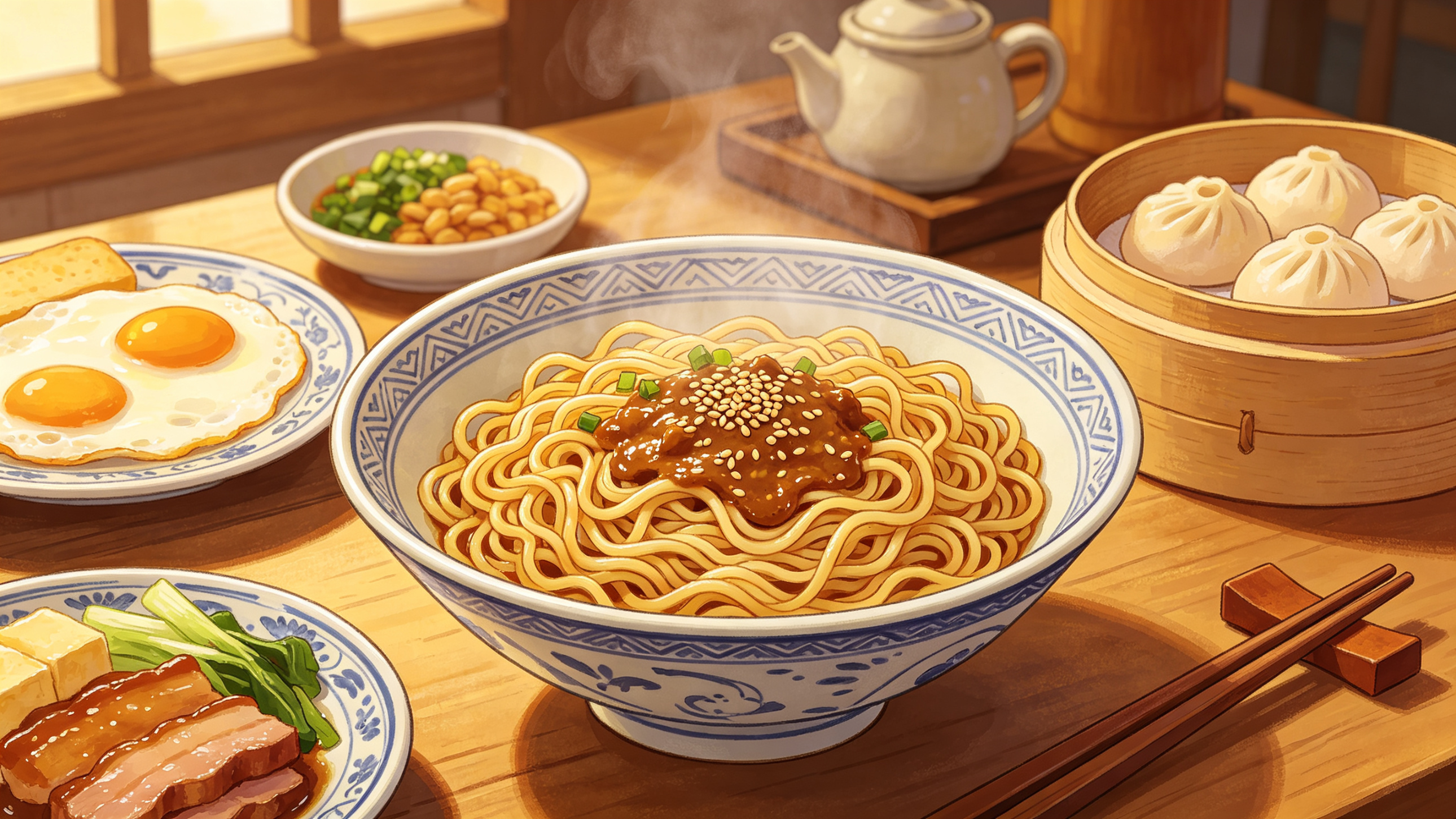
Wuhan is a city worth visiting专门 for breakfast. There’s so much good food here—from street snacks to formal dishes, each one makes you want more.
Here are some must-eat foods I recommend, and where to eat them:
1. Hot Dry Noodles
Hot dry noodles are the representative of Wuhan breakfast, and also many people’s first impression of Wuhan. Noodles cooked and drained, then mixed with sesame paste, soy sauce, vinegar, chili and other seasonings—stir well and eat. Rich sesame paste coating springy noodles—very satisfying.
- Recommended restaurant: Master Zhao’s Hot Dry Noodles, Cailinji (multiple branches)
- Price range: ¥5-10
- Must-order: Hot dry noodles, egg wine
2. Doupi (Bean Skin)
Doupi is Wuhan’s classic breakfast—made from mung bean and rice ground into paste, spread into a skin in a pan, then wrapped with sticky rice, diced meat, mushrooms and other fillings, fried until golden. Crispy on the outside and soft inside, fragrant.
- Recommended restaurant: Laotongcheng, Yan Laoyao Doupi
- Price range: ¥8-15
- Must-order: Doupi, soy milk
3. Mianwo (Nest Fritters)
Mianwo is Wuhan’s traditional snack—made from rice and soybeans ground into paste, fried in a special spoon, thin in the middle and thick at the edges, crispy on the outside and soft inside when eaten, with a strong bean fragrance.
- Recommended restaurant: Roadside breakfast stalls everywhere
- Price range: ¥3-5
- Must-order: Mianwo, hot dry noodles
4. Steamed Wuchang Fish
Wuchang fish is a specialty of Hubei, and also a classic of Hubei cuisine. Fresh Wuchang fish steamed—tender meat, delicious taste, very good.
- Recommended restaurant: Hujin Restaurant, Prince Restaurant
- Price range: ¥80-150/person
- Must-order: Steamed Wuchang fish, lotus root and pork rib soup
5. Crayfish
Wuhan’s crayfish is very famous—in summer, almost every street has shops selling crayfish. Crayfish stir-fried with various spices, spicy and fragrant, paired with cold beer—人间美味.
- Recommended restaurant: Liangliang Steamed Shrimp, Crayfish Street
- Price range: ¥100-200/person
- Must-order: Oil-braised big shrimp, garlic crayfish
6. Duck Neck
Wuhan’s duck neck is the most famous in all of China—spicy and fragrant, the more you eat the more addictive it gets. Duck neck, duck wings, duck feet, duck collarbones… everything you can imagine—the perfect pairing for watching TV and drinking.
- Recommended restaurant: Zhouheiya, Jingwu Duck Neck (multiple branches)
- Price range: ¥20-50
- Must-order: Duck neck, duck wings, duck collarbones
7. Lotus Root and Pork Rib Soup
Lotus root and pork rib soup is Hubei’s classic soup—slowly stewed with fresh lotus root and pork ribs, rich soup, powdery lotus root—very delicious. Almost every Wuhan family can make this soup.
- Recommended restaurant: Most Hubei cuisine restaurants have it
- Price range: ¥30-60
- Must-order: Lotus root and pork rib soup, steamed Wuchang fish
Things You Need to Know Before You Go

Best Travel Season
The best travel seasons for Wuhan are March to May and September to November, when the weather is mild, neither too cold nor too hot—very suitable for sightseeing. Spring (March-April) you can also see Wuhan University’s cherry blossoms—very beautiful. Summer (June to August) is very hot and humid, with temperatures often exceeding 35 degrees, known as a “furnace”—not very recommended. Winter (December to February) is colder, and it’s damp cold—feels a bit uncomfortable.
Transportation Guide
- Airport: Wuhan Tianhe International Airport (WUH) is the largest airport in central China. From the airport to the city center you can take subway line 2 (about 1 hour to city center), or take airport buses, taxis.
- High-speed rail: Wuhan has three main high-speed rail stations—Wuhan Station, Hankou Station, Wuchang Station. Among them, Wuhan Station is the largest, with high-speed trains to all parts of the country.
- City transportation: Wuhan’s subway is very convenient, almost can reach all major attractions. Subway fares are calculated by distance, from 2 yuan to 7 yuan. You can also take buses or taxis, or use shared bikes. Additionally, Wuhan also has ferries—you can go from Hankou to Wuchang—very distinctive.
Accommodation Area Suggestions
- Wuchang District: Attractions are more concentrated—Yellow Crane Tower, Wuhan University, East Lake are all in this district—suitable for tourists.
- Hankou District: Commerce is more prosperous—Jianghan Road, Wuhan Tiandi, Jiqing Street are all in this district—very convenient for eating, drinking, and having fun.
- Hanyang District: Quieter, suitable for travelers who like quiet—closer to attractions like Guiyuan Temple and Guqin Terrace.
- Optics Valley District: New urban area, quite modern—suitable for business travelers, also not far from East Lake and Wuhan University.
Budget Reference
- Budget travel: ¥150-300 per day. Stay in youth hostels, eat at street stalls and snack shops, take public transportation, mainly free attractions.
- Comfortable: ¥400-800 per day. Stay in three-star hotels, eat at regular restaurants, occasionally have a nice meal, buy attraction tickets when needed.
- Luxury: ¥1,500+ per day. Stay in five-star hotels, eat at high-end restaurants, take taxis, experience everything.
Common Pitfalls and Tips to Avoid Them
- Hubu Lane’s food is more expensive and tastes average—more suitable for tourists, if you want authentic food you can go to Liangdao Street or Dacheng Road.
- Be careful with roadside travel agencies—some will promote very cheap day tours, but the quality is poor.
- Taxis are generally law-abiding, but if you encounter one taking a detour, you can note down the license plate and complain.
- Restaurant tips aren’t necessary—mainland China doesn’t have a tipping culture.
- Wuhan is very hot in summer—if you come in summer, be sure to做好 sun protection and hydration to avoid heatstroke.
Wuhan is a very special city. It’s not refined enough, not gentle enough, even a bit noisy and chaotic. But it has a very special magic—unforgettable once you come, missed once you leave.
Miss the hot dry noodles here, miss the doupi here, miss the warm people here, miss the lively human fireworks here.
Five days might not be enough for you to eat all of Wuhan’s breakfasts, but it’s enough for you to fall in love with this both bold and gentle city, fall in love with the human fireworks atmosphere here.
Have you been to Wuhan? What do you like most about Wuhan? Welcome to share your Wuhan stories in the comments.
Travel Disclaimer: The travel information provided in this article is for reference only, including but not limited to attraction opening hours, ticket prices, transportation times, restaurant operating conditions, etc., all may change due to seasons, policies, or other factors. Please be sure to verify the latest information before departure, and plan your trip according to your own situation. Please pay attention to your own safety during travel and comply with local laws and regulations. This article does not constitute any travel advice or guarantee, and the author of this article does not assume any responsibility for any loss or inconvenience caused by referring to the content of this article.
Comments