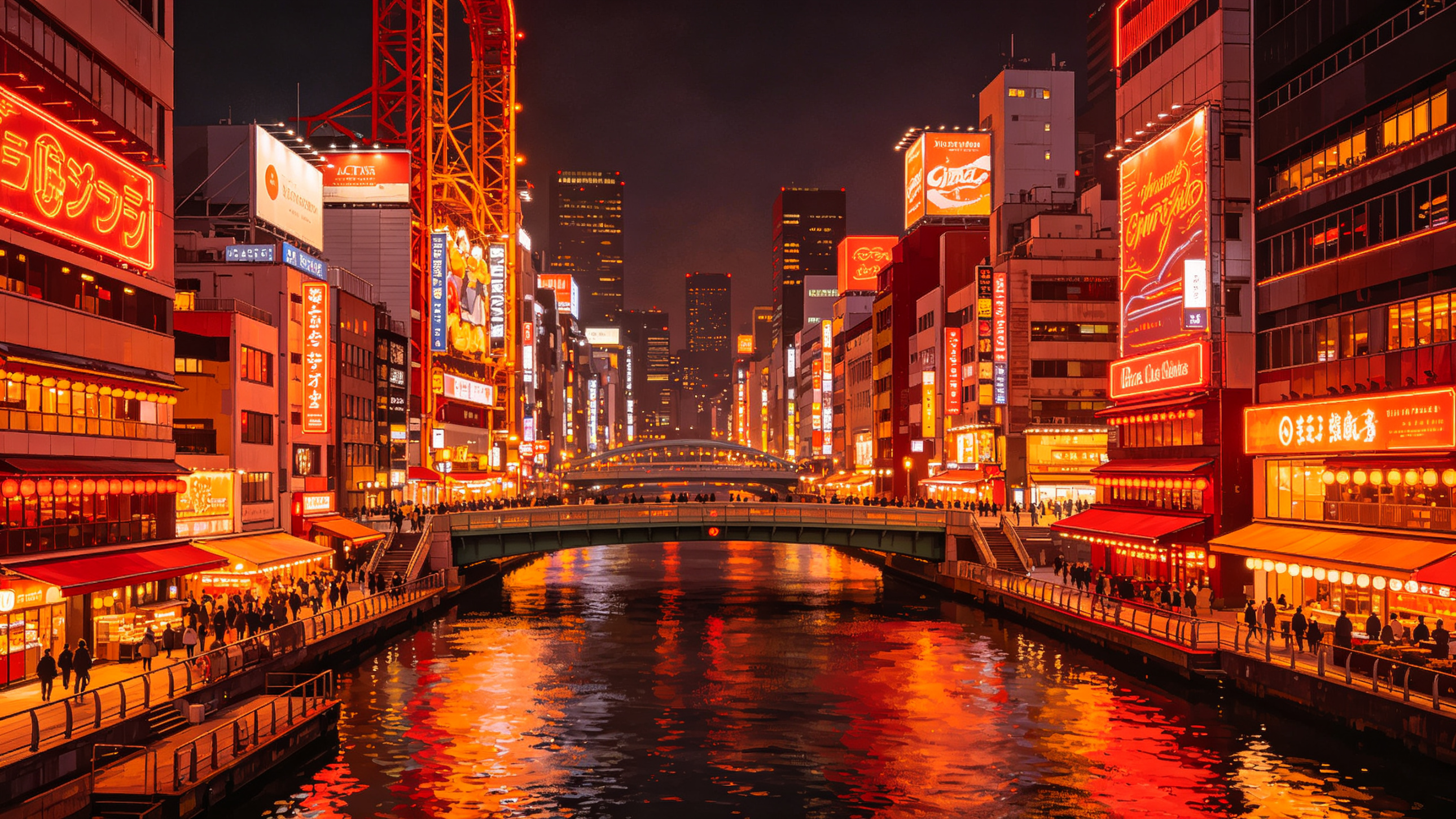
Spice and Nightlife: A 5-Day Deep Dive into Changsha, the Star City’s Vibrant Atmosphere
Have you ever had that experience—walking through a city where the air itself smells like spice, where people next to you sound like they’re arguing, but when they turn around to hand you a cup of tea, their smile is incredibly warm.
Changsha is just such a city.
It’s the capital of Hunan province, and also a city known as the “Star City.” People here love spicy food, love liveliness, love nightlife. Walking through Changsha’s streets, you’ll feel a very special atmosphere—there’s the warmth of “human fireworks,” and also the casualness of “eat, drink, and be merry.”
Many people’s impression of Changsha is just “delicious food,” “fun,” “rich nightlife.” But if you really stay here for a few days, you’ll find this city has more than just that. It has a thousand years of history, profound cultural heritage, beautiful mountain and river scenery, and a kind of magic that makes you not want to leave once you come.
Why spend five days experiencing Changsha? Because in one or two days you can only taste its spiciness and see its liveliness. But in five days, you can walk into its old streets and feel the city’s history; you can climb Yuelu Mountain and watch the Xiang River flow below; you can stay late at the night market and experience the city’s vibrant atmosphere; you can also go see Hunan Broadcasting and feel the charm of this entertainment capital.
Five days is just enough for you to fall in love with this spicy and lively city.
Why Changsha? A City with Fireworks in Its Bones
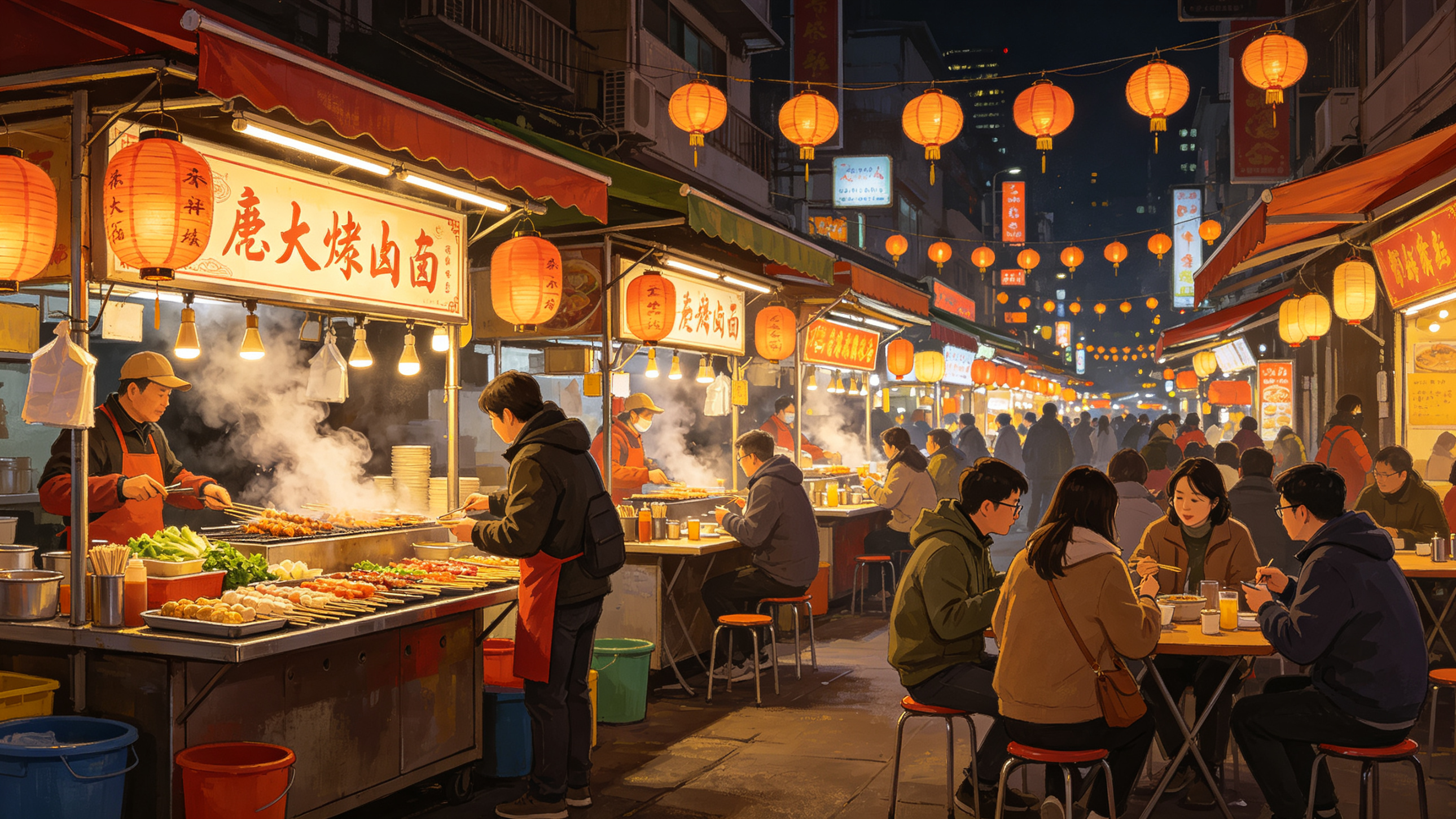
Many people’s impression of Changsha is just “food” and “entertainment.” But if you really understand this city, you’ll find both labels are just surface level.
Changsha’s real charm lies in its “fireworks atmosphere.”
This is a very special city. It’s not as profound as Beijing, not as refined as Shanghai, not as fast as Shenzhen. It has a very unique temperament—lively, casual,讲究 enjoying life. Here, you won’t see people rushing hurriedly on the road, everyone takes their time, as if saying “what’s the rush, let’s eat first.”
Changsha people’s life philosophy is simple: eat well, drink well, have fun. Their love for food is almost obsessive—for a bowl of delicious noodles, they can queue for half an hour; for a good hot pot restaurant, they can drive half an hour. In their view, life is short, and carpe diem is king.
This temperament is also reflected in Changsha’s nightlife. This city’s nights are busier than its days. Jiefang West Road’s bar street still has queues at two or three in the morning; Pozi Street’s food street is still bustling at midnight; even roadside crayfish shops can stay open until four or five in the morning. In Changsha, you never have to worry about having nowhere to go at night.
But Changsha isn’t just about liveliness. It also has profound cultural heritage—Yuelu Academy is one of China’s four great academies, with a thousand years of history; the cultural relics unearthed from Mawangdui Han Tomb shocked the world; the Mao Zedong statue at Orange Island Head witnesses the city’s red memories.
When you travel to Changsha, what you gain isn’t just which foods you ate or which attractions you saw. What you gain is a feeling that “life can be so comfortable”—that you don’t have to be so busy, that eating good food is the big thing in life, that being lively is happiness.
Five Days, Walking into the Star City’s Vibrant Atmosphere
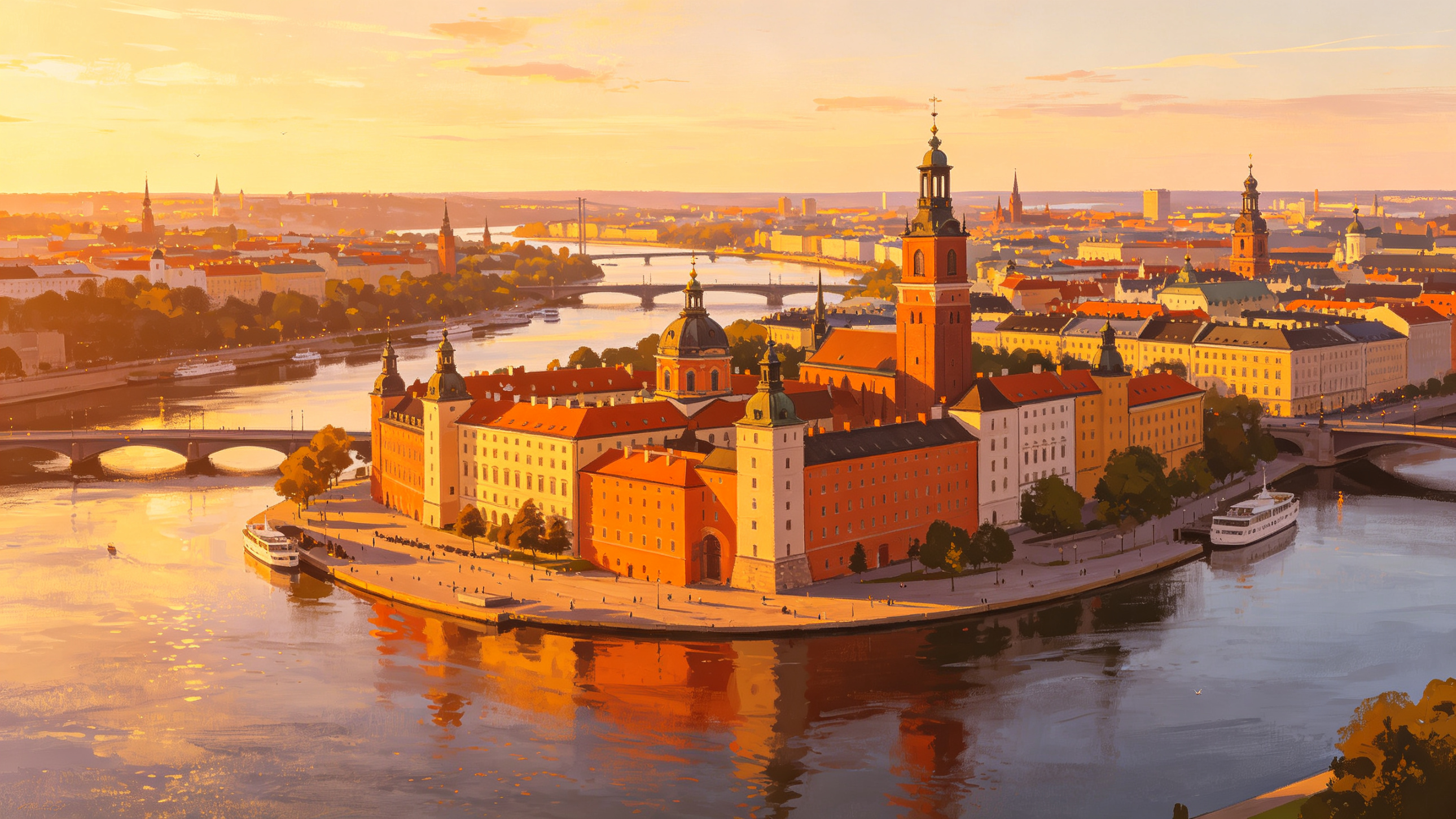
Day 1: First Encounter with Changsha — From the Xiang River to Taiping Street, Feeling the City’s Liveliness
On the first day, I suggest you start from the city center.
Arrive in Changsha in the morning, drop off your luggage at the hotel first. If you’re staying near Wuyi Square, you can head out right after putting down your things. The first stop I recommend is Orange Island Head—this is Changsha’s landmark, and also a place where Mao Zedong often came when he was young. You can take the subway to Orange Island station, then walk or take a sightseeing tram to the head of the island.
Standing at Orange Island Head, you can see the Xiang River flowing on both sides, and across the river is Changsha’s urban area. At the head of the island there’s a huge Mao Zedong Youth Art Sculpture, very majestic. Standing here, with the river breeze blowing, watching the Xiang River flow by—that feeling is very comfortable.
For lunch, you can eat at Taiping Old Street. This is one of Changsha’s most famous old streets, with many traditional snacks and特色 restaurants. I recommend trying stinky tofu, sugar oil ba ba, Changsha rice noodles—these are all Changsha’s classic foods. Taiping Old Street itself is also very charming, with Ming and Qing style architecture on both sides, and many small shops and museums on the street—worth strolling slowly.
In the afternoon, you can go to the Yuelu Academy and Hunan University area. Yuelu Academy is one of China’s four great academies, with a thousand years of history, and the buildings in the academy are very simple and elegant. Coming out of the academy, you can walk around Hunan University’s campus—the campus is beautiful, with many old buildings and big trees.
If you still have energy, you can climb Yuelu Mountain. This mountain isn’t high, it takes about an hour to climb up, but the view from the top is very good—you can overlook the entire Changsha city and the Xiang River. At the top there’s also Aiwan Pavilion, one of China’s four famous pavilions—very beautiful when the maple leaves turn red in autumn.
In the evening, you can go back to the city center and have dinner at Pozi Street. This is Changsha’s most famous food street, with all kinds of snacks—Huogongdian’s stinky tofu, Si Aijie’s crayfish, Xiangqun Pot Stickers’ pot stickers… everything you can imagine.
At night, you can go for a stroll on Jiefang West Road. This is Changsha’s most famous bar street, very lively at night. You don’t have to go in for drinks, just walk around the street and feel the vitality of this city at night. Or you can also take a walk by the Xiang River and watch the night views on both sides—very comfortable.
Today’s highlight: Eating stinky tofu on Taiping Old Street, smelling the spice in the air, suddenly feeling that this is the taste of Changsha.
Day 2: Food Deep Dive — From Street to Alley, Eating All of Changsha’s Classic Flavors
On the second day, let’s do something more专业—eating.
Changsha is a city worth visiting专门 for food. There’s so much good food here that you can’t finish it in one day, so on the second day we专门 use it for eating.
In the morning, you can go to Yang Yuxing or Gan Changshun for a bowl of Changsha rice noodles. Changsha’s rice noodles are different from other places—the noodles are thinner, the soup is sweet and fresh, with toppings added—very delicious. I recommend ordering beef noodles or mixed sauce noodles, paired with a youtiao (fried dough stick)—that’s the most authentic Changsha breakfast.
After breakfast, you can stroll down Huangxing Road Pedestrian Street. This is Changsha’s busiest commercial street, with many malls and small shops on both sides. You can wander around casually and see the city’s commercial atmosphere.
For lunch, you can eat at Wenheyou. This is one of Changsha’s most famous restaurants, with a very special decoration style—it restores the street scene of Changsha in the 1980s, walking in is like traveling through time. Their specialty is crayfish, plus various Changsha特色 snacks. Although it’s a bit touristy, it’s still worth going.
In the afternoon, you can visit the Hunan Provincial Museum. The most famous thing here is the cultural relics unearthed from the Mawangdui Han Tomb—Lady Xin Zhui’s remains, the plain gauze robe, the T-shaped silk painting… each one is amazing. Remember to make a reservation in advance, otherwise you might not get in.
Coming out of the museum, you can take a walk in the nearby Martyrs’ Park. This is the largest park in Changsha’s urban area, with lakes, trees, pavilions—many locals exercise, walk, and dance here. You can feel Changsha people’s daily life here.
In the evening, you can go to Dongguashan for dinner. This is one of Changsha locals’ favorite food streets, more local than Pozi Street. There are all kinds of snacks here—barbecue skewers, saltwater shrimp, braised food, desserts… everything you can imagine. I recommend finding a busy shop to sit down, order a few small dishes, drink some beer, and feel Changsha people’s nightlife.
At night, you can go for a stroll around Wuyi Square. This is Changsha’s city center, very lively at night. You can go to the top floor of IFS to see the night view, or find a清吧 in the side alley nearby to sit, have a drink, listen to music.
Today’s highlight: At a roadside stall in Dongguashan, eating crayfish with beer, the Changsha大哥 at the next table chatting enthusiastically with you—even though I couldn’t understand much, it felt very亲切.
Day 3: Mountain, River, Island, City — Yuelu Mountain and Xiang River, Feeling the City’s Natural Beauty
Many people don’t know that Changsha is actually a “mountain, river, island, city”—the mountain is Yuelu Mountain, the river is Xiang River, the island is Orange Island, the city is Changsha city. These four things combine perfectly, creating Changsha’s unique cityscape.
On the third day, let’s feel Changsha’s natural beauty.
In the morning, you can go to Yuelu Mountain. I recommend going early—fewer people, better air. You can go up the mountain from the Dongfanghong Square side, passing by attractions like Yuelu Academy and Aiwan Pavilion along the way. If you don’t want to climb, you can also take a sightseeing tram up the mountain.
The view from the top is very good—you can see the entire Changsha city and the Xiang River. When the weather is good, you can even see Orange Island Head. I recommend staying at the top for a while, enjoying the breeze and the scenery—very comfortable.
When going down the mountain, you can take another path, passing by Lushan Temple and Yunlu Palace. Both are ancient temples with a lot of history. The temples are very quiet, completely different from the liveliness at the foot of the mountain.
For lunch, you can eat at a restaurant at the foot of Yuelu Mountain. There are many delicious foods in this area—I recommend trying Hunan cuisine—fish head with chopped chili, stir-fried pork with chili, stir-fried yellow beef… all classic Hunan dishes, spicy and fragrant.
In the afternoon, you can take a good stroll around Orange Island. Yesterday you might have just走马观花, today you can look carefully. You can walk slowly along the river, see the Xiang River scenery, see the buildings on both sides. There are also many historical buildings and sculptures on Orange Island, all worth seeing.
If the weather is good, you can also have a picnic or sunbathe on Orange Island. The lawn here is very big, and many locals come here for picnics, kite flying, dog walking on weekends—very cozy.
In the evening, you can watch the sunset by the Xiang River. Changsha’s sunset is very beautiful—the sun slowly sets behind the mountains, the sky changes from gold to pink to deep blue, the Xiang River’s surface shimmers, and the lights on the opposite bank turn on one by one—very romantic.
At night, you can go to the Du Fu River Pavilion area. This is an antique building by the Xiang River, very beautiful when the lights come on at night. There are many cafes and restaurants nearby—you can find one with a window seat and eat while watching the Xiang River night view.
Today’s highlight: At the top of Yuelu Mountain, blowing in the wind and watching Changsha city and the Xiang River below, suddenly feeling that this city is really beautiful.
Day 4: Entertainment Capital — From Hunan Broadcasting to Window of the World, Feeling the City’s Vitality
Changsha is called the “entertainment capital” for a reason. It’s home to Hunan Broadcasting, with popular shows like “Happy Camp,” “I Am a Singer,” “Where Are We Going, Dad?” and many stars and celebrities.
On the fourth day, let’s feel the charm of this entertainment capital.
In the morning, you can visit the Hunan Broadcasting Center. This is Hunan TV’s headquarters, and also where many variety shows are recorded. You can take photos outside the building and see if you can encounter any celebrities. If you’re lucky, you might even be able to buy tickets for a show recording and go watch the recording live.
If you’re not that interested in variety shows, you can also go to Window of the World or Happy Valley to play. Both are theme parks with all kinds of amusement rides—suitable for friends who like excitement. Window of the World also has miniature landscapes from various countries—great for taking photos.
For lunch, you can eat at a nearby restaurant. There are many restaurants in this area, all kinds.
In the afternoon, you can go to the Underwater World to see. This is Changsha’s more famous aquarium, with all kinds of marine life, plus dolphin shows and mermaid shows—suitable for families with children.
If you’re not interested in aquariums, you can also go to the Hunan Art Museum or Changsha Art Museum to see exhibitions. Changsha’s art scene is also pretty good, with all kinds of exhibitions often.
In the evening, you can go back to the city center and go shopping around Wuyi Square. There are many malls here—IFS, Pinghe Tang, Wangfujing… everything you can imagine. You can do some shopping, or just wander around and feel the city’s commercial atmosphere.
At night, you can go sit at a bar street or 清吧. Changsha’s nightlife is very rich—from lively nightclubs to quiet bars, all kinds. I recommend going to Jiefang West Road or Taiping Street area, find a place you like, have a drink, listen to music, relax.
If you like watching performances, you can also go see crosstalk or flower drum opera. Changsha’s quyi culture is also well-developed, with many theaters having performances every day—very lively.
Today’s highlight: At the entrance of Hunan Broadcasting, seeing fans holding light signs waiting for celebrities—suddenly feeling the magic of this entertainment capital.
Day 5: Slow Changsha — Walking into Old Streets and Alleys, Feeling the City’s Daily Life
On the last day, slow down and feel Changsha people’s daily life.
In the morning, you can stroll around Chaozong Street or Xichang Street. Both are old streets in Changsha, with many old buildings and small shops. Unlike Taiping Street’s commercialization, this place is more local, more生活化. You can see locals having breakfast on the roadside, buying groceries, chatting—very much with fireworks atmosphere.
If you’re interested in old buildings, you can also check out Tianxin Pavilion. This is Changsha’s ancient city tower, with several hundred years of history. The pavilion isn’t big, but it has a lot of character. There’s also a section of ancient city wall next to it—you can walk around and see.
For lunch, you can find a restaurant near the old street. I recommend finding a small shop that doesn’t look like much—often these shops have the most authentic flavors. Order a few home-style dishes and feel the real Changsha taste.
In the afternoon, you can stroll around Duzheng Street or Xianzheng Street. Both are also old streets in Changsha, renovated in recent years, with many very distinctive small shops—cafes, bookstores, handicraft shops… great for strolling slowly.
If you like the hipster style, you can also go to the Houhu International Art Park to see. This is a cultural and creative park transformed from old factories, with many artist studios, galleries, cafes—very artistic atmosphere.
In the evening, you can take a walk by the Xiang River. Take one last look at Changsha’s Xiang River, take one last look at this city’s skyline. You’ll find that after a few days, you’ve already started to like this spicy and lively city a little bit.
At night, you can go to Pozi Street or Dongguashan for your last Changsha meal. Eat everything you haven’t tried yet, drawing a perfect end to your five-day Changsha trip.
Today’s highlight: In the old alleys of Chaozong Street, watching locals live their lives leisurely—suddenly feeling that this slow-paced life is also pretty good.
From Street Food to Formal Meals: Changsha’s Food Map
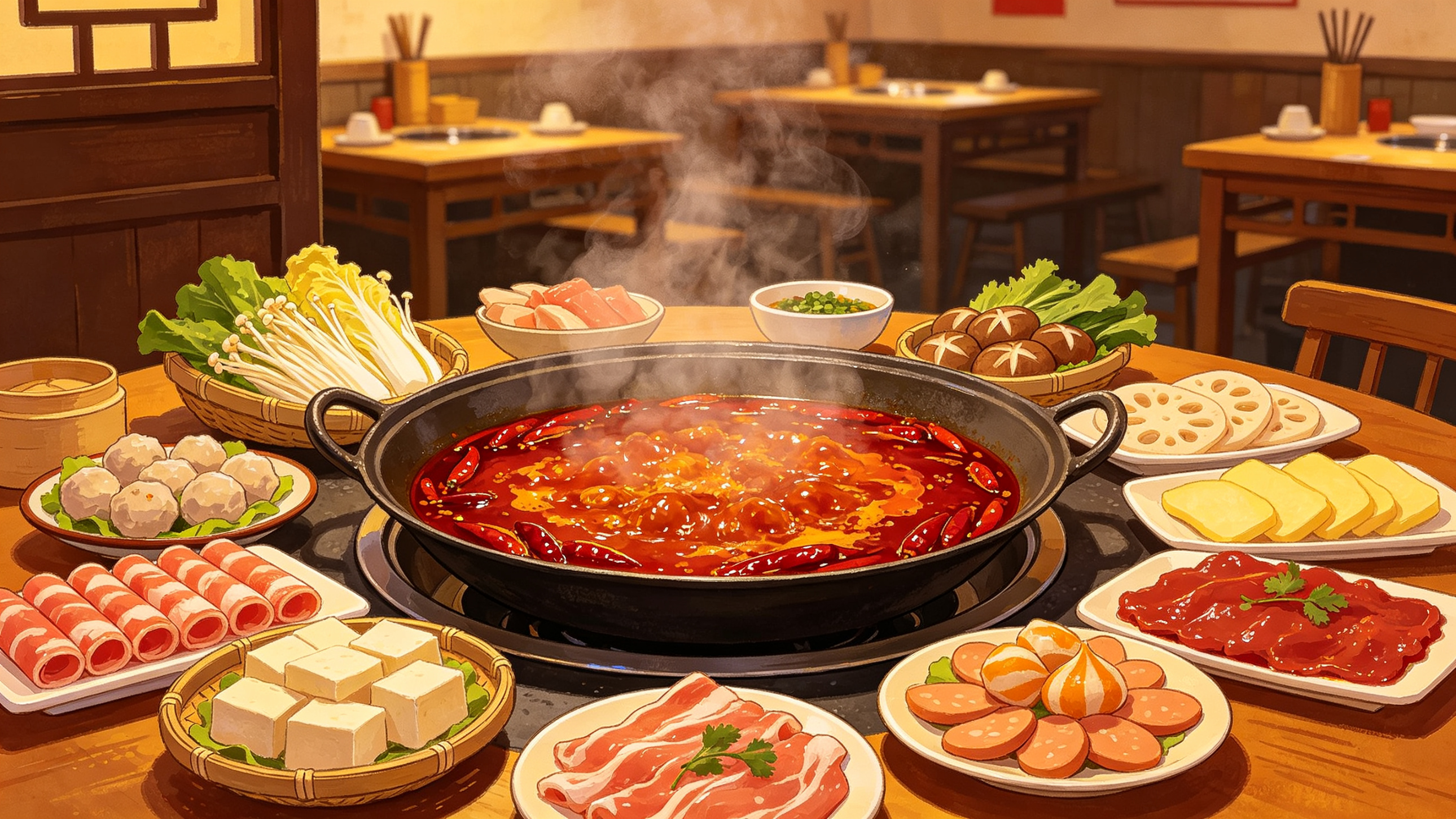
Changsha is a city worth visiting专门 for food. There’s so much good food here—from street snacks to formal dishes, each one makes you want more.
Here are some must-eat foods I recommend, and where to eat them:
1. Stinky Tofu
Stinky tofu is Changsha’s most famous snack, and also many people’s first impression of Changsha. It smells bad but tastes good, crispy on the outside and tender inside, paired with chili and sauce—very satisfying.
- Recommended restaurant: Huogongdian (Pozi Street), Black Classic (multiple branches)
- Price range: ¥10-20
- Must-order: Classic stinky tofu
2. Sugar Oil Baba
Sugar oil baba is Changsha’s traditional dessert, small round cakes made of glutinous rice flour, fried in sugar oil—crispy on the outside and soft inside, sweet but not cloying.
- Recommended restaurant: Ligongmiao Sugar Oil Baba, Jinji Sugar Oil Baba
- Price range: ¥5-10
- Must-order: Sugar oil baba
3. Changsha Rice Noodles
Changsha rice noodles are Changsha people’s classic breakfast—thin noodles and fresh soup, with various toppings added—simple but delicious.
- Recommended restaurant: Yang Yuxing, Gan Changshun, Sijie Noodle Shop
- Price range: ¥15-30
- Must-order: Beef noodles, mixed sauce noodles
4. Flavor Shrimp (Crayfish)
Flavor shrimp is Changsha’s most popular food in summer—crayfish stir-fried with various spices, spicy and fragrant, paired with cold beer—人间美味.
- Recommended restaurant: Si Aijie, Wenheyou, Xia Mang
- Price range: ¥80-150/person
- Must-order: Flavor shrimp, garlic shrimp
5. Fish Head with Chopped Chili
Fish head with chopped chili is a classic Hunan dish—fresh fish head steamed with Hunan’s chopped chili, fresh and spicy, very good with rice.
- Recommended restaurant: Yuloudong, Maojia Restaurant
- Price range: ¥60-120/person
- Must-order: Fish head with chopped chili, stir-fried pork with chili
6. Stir-fried Pork with Chili
Stir-fried pork with chili is representative of Hunan cuisine, and also Changsha people’s favorite home-style dish. Fresh chili paired with pork belly, stir-fried over high heat—fragrant and spicy, very good with rice.
- Recommended restaurant: Chef Fei’s Stir-fried Pork with Chili (multiple branches)
- Price range: ¥50-80/person
- Must-order: Stir-fried pork with chili, stir-fried yellow beef
7. Cha Yan Yue Se Milk Tea
Cha Yan Yue Se is Changsha’s local milk tea brand, and also Changsha’s internet-famous drink. Their milk tea uses traditional Chinese tea bases, plus fresh milk and cream—rich taste and full tea aroma.
- Recommended restaurant: Cha Yan Yue Se (multiple branches)
- Price range: ¥15-25
- Must-order: Youlan Latte, Shengsheng Oolong
Things You Need to Know Before You Go
Best Travel Season
The best travel seasons for Changsha are March to May and September to November, when the weather is mild, neither too cold nor too hot—very suitable for sightseeing. Summer (June to August) is very hot and humid, with temperatures often exceeding 35 degrees—not very recommended. Winter (December to February) is colder, and it’s damp cold—feels a bit uncomfortable.
Transportation Guide
- Airport: Changsha Huanghua International Airport (CSX) is the largest airport in Hunan province. From the airport to the city center you can take the maglev train (about 20 minutes to South High-speed Rail Station), or take airport buses, taxis.
- High-speed rail: Changsha has two main high-speed rail stations—Changsha South Station and Changsha Station. Among them, Changsha South Station is the largest, with high-speed trains to all parts of the country.
- City transportation: Changsha’s subway is very convenient, almost can reach all major attractions. Subway fares are calculated by distance, from 2 yuan to 7 yuan. You can also take buses or taxis, or use shared bikes.
Accommodation Area Suggestions
- Wuyi Square/Huangxing Road: Changsha’s city center, convenient transportation, very easy to eat, drink, and have fun—the first choice for tourists.
- Yuelu Mountain/Hunan University: Quieter, suitable for travelers who like literary atmosphere, also close to Yuelu Mountain and Orange Island.
- Dongtang/Houjiatang: More local atmosphere, relatively cheaper hotel prices, also convenient transportation.
- Xingsha: If you’re going to Hunan Broadcasting or Window of the World, you can stay in this area—closer to the attractions.
Budget Reference
- Budget travel: ¥150-300 per day. Stay in youth hostels, eat at street stalls and snack shops, take public transportation, mainly free attractions.
- Comfortable: ¥400-800 per day. Stay in three-star hotels, eat at regular restaurants, occasionally have a nice meal, buy attraction tickets when needed.
- Luxury: ¥1,500+ per day. Stay in five-star hotels, eat at high-end restaurants, take taxis, experience everything.
Common Pitfalls and Tips to Avoid Them
- Huogongdian’s food is more expensive and tastes average—more suitable for tourists, if you want authentic food you can go elsewhere.
- Be careful with roadside travel agencies—some will promote very cheap day tours, but the quality is poor.
- Taxis are generally law-abiding, but if you encounter one taking a detour, you can note down the license plate and complain.
- Restaurant tips aren’t necessary—mainland China doesn’t have a tipping culture.
- Eat spicy food according to your ability—Changsha’s spice is really spicy, if you can’t handle spicy food very well, remember to tell the restaurant “mild spicy” or “not spicy.”
Changsha is a very special city. It’s not refined enough, not prosperous enough, even a bit noisy and chaotic. But it has a very special magic—you don’t want to leave once you come, and you miss it once you leave.
Miss the stinky tofu here, miss the flavor shrimp here, miss the warm people here, miss the lively fireworks atmosphere here.
Five days might not be enough for you to eat all of Changsha’s delicious foods, but it’s enough for you to fall in love with this spicy and lively city, fall in love with the human fireworks atmosphere here.
Have you been to Changsha? What do you like most about Changsha? Welcome to share your Changsha stories in the comments.
Travel Disclaimer: The travel information provided in this article is for reference only, including but not limited to attraction opening hours, ticket prices, transportation times, restaurant operating conditions, etc., all may change due to seasons, policies, or other factors. Please be sure to verify the latest information before departure, and plan your trip according to your own situation. Please pay attention to your own safety during travel and comply with local laws and regulations. This article does not constitute any travel advice or guarantee, and the author of this article does not assume any responsibility for any loss or inconvenience caused by referring to the content of this article.
Comments