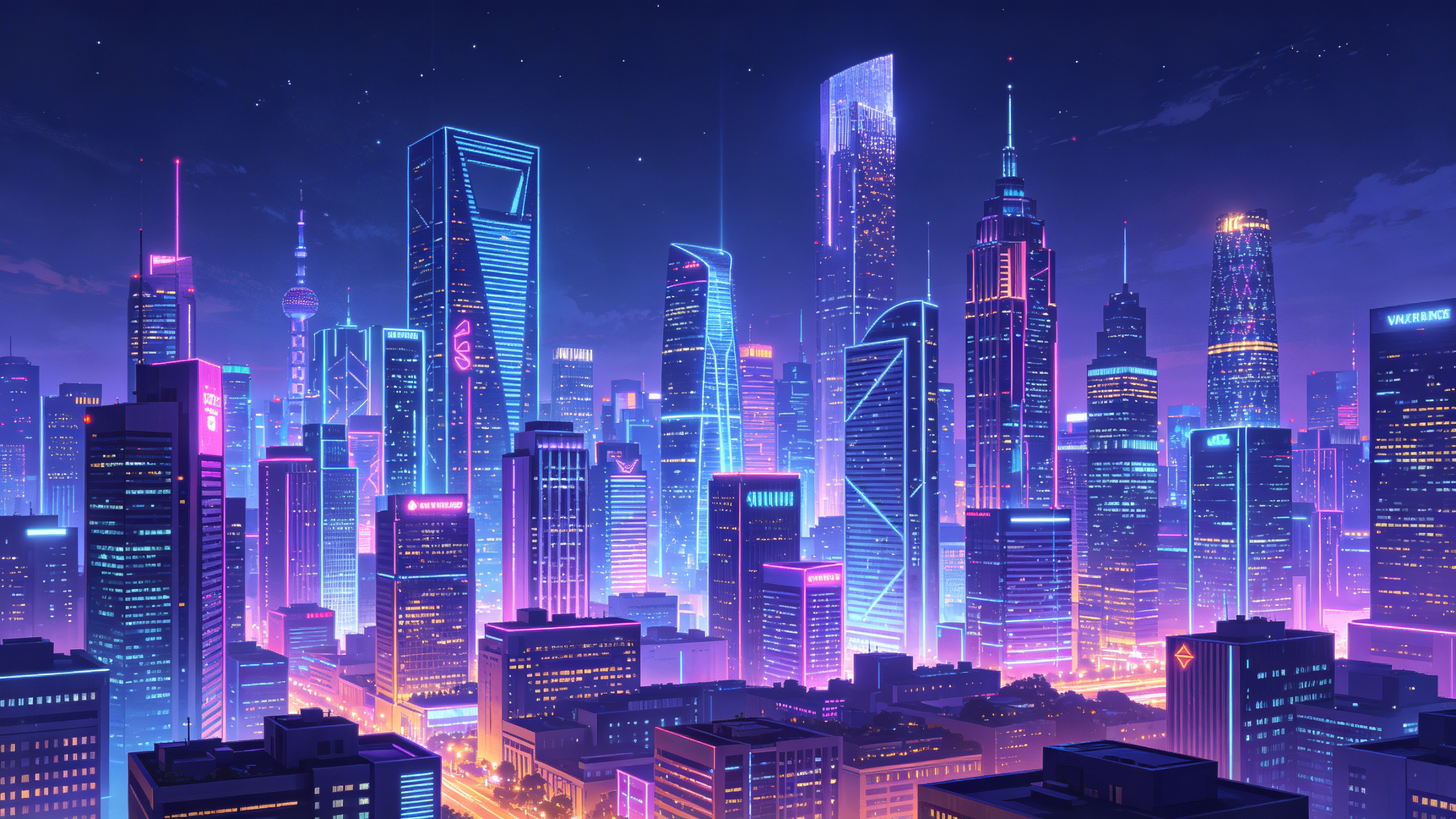
Technology and Innovation: A 5-Day Deep Dive into Shenzhen, Forty Years from Fishing Village to Silicon Valley
Have you ever wondered how a city can transform from a remote fishing village of just 30,000 people into a tech metropolis of 17 million in just forty years?
Shenzhen is just such a city.
It doesn’t have Beijing’s historical depth, Shanghai’s century-old glamour, or even Guangzhou’s culinary heritage. But it has one thing no other city can match—speed. Here, you can feel an atmosphere where “everything is happening fast,” a vibe where “if you dare to dream, it might just come true.”
Walking through the Nanshan tech district, you’ll see offices with lights still on late at night, young people discussing products with laptops in cafes, and roadside signs that say “Come, and you’re a Shenzhen person.” Every corner of this city tells the same story—about change, about possibility, about the future.
Why spend five days experiencing Shenzhen? Because in one or two days you can only see its surface—skyscrapers, tech companies, bustling malls. But in five days, you can walk into its tech parks and feel the city’s innovative pulse; you can step into its startup spaces and hear young people’s entrepreneurial stories; you can go to its seaside and discover that this tech city also has a soft side.
Five days is just enough for you to understand this city’s past, present, and future.
From Fishing Village to Silicon Valley: Why Shenzhen Is China’s Most Special City
Many people’s impression of Shenzhen is just “technology,” “innovation,” “young.” But if you really understand this city’s history, you’ll find these labels are too simple.
Shenzhen’s story is itself a miracle.
In 1980, Shenzhen became China’s first special economic zone. Back then, Shenzhen was just a small fishing village bordering Hong Kong, with a population of just over 30,000, and the tallest building was a three-story guesthouse. No one thought this不起眼的 little place would become China’s most vibrant city over the next forty years.
Here were born Huawei, Tencent, DJI, BYD, and a host of other world-changing companies. Its GDP grew from 196 million yuan in 1979 to 3.46 trillion yuan in 2023—an increase of more than 17,000 times. Its population grew from just over 30,000 to over 17 million, most of whom are migrants—meaning the vast majority of people in this city are “here to chase their dreams.”
What makes Shenzhen special is its “youth.” This isn’t just about the city’s short history, but about its people being young, its mindset being young, its atmosphere being young. Here, you won’t be excluded because you’re an outsider, you won’t be looked down upon because you have no background, you won’t be mocked because you want to do something “crazy.”
This is a city where “heroes are不问出处.” As long as you have ability, ideas, and are willing to work hard, you have a chance to make it here.
When you travel to Shenzhen, what you gain isn’t just which attractions you saw or what food you ate. What you gain is a feeling that “life can be this vibrant”—that a city can grow this fast, that a group of people can chase their dreams this passionately, that the future is this close to us.
Five Days, Walking into the Heartbeat of China’s Silicon Valley

Day 1: Tech Depth — From Huaqiangbei to Nanshan, Feeling the Heartbeat of China’s Silicon Valley
On the first day, I suggest you start from the most representative places in the city.
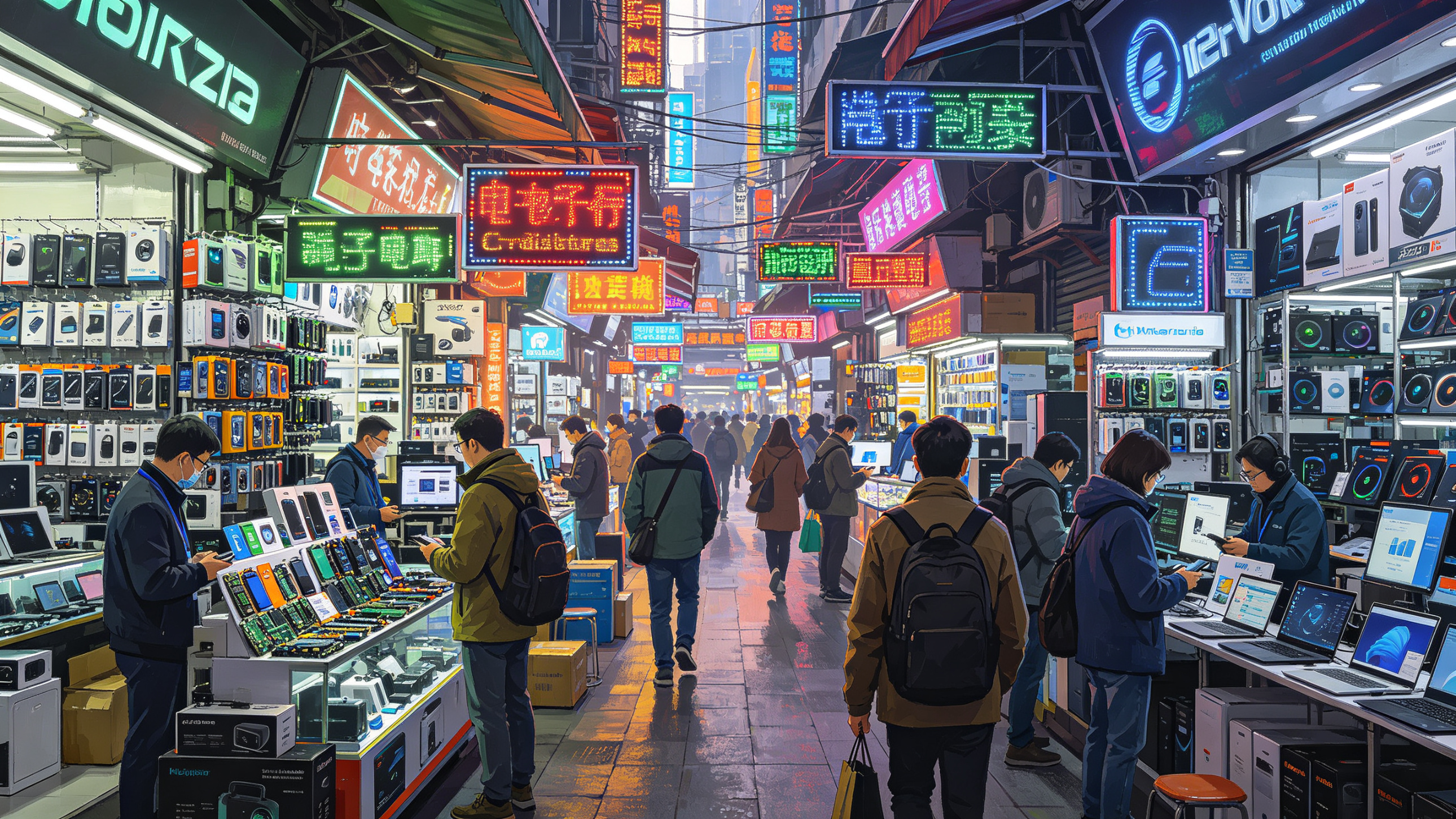
In the morning, go to Huaqiangbei first. This used to be Asia’s largest electronics market, and also the starting point for many tech entrepreneurs. Walking into Huaqiangbei’s electronics market, you’ll see all kinds of electronic components—phones, computers, accessories, chips—everything you can imagine. This place used to be synonymous with “shanzhai phones,” but now has transformed into a hardware innovation hub.
In Huaqiangbei, you can see the craziest electronics market culture, and also the most cutting-edge hardware innovation. Many now-famous tech companies started from a small stall in Huaqiangbei. Standing here, you’ll feel this city’s tech DNA—it didn’t fall from the sky, but grew slowly from一个个小摊位、一个个小创业者身上.
For lunch, you can find a restaurant near Huaqiangbei. Shenzhen is a city of immigrants, and its food is also very diverse—Hunan cuisine, Sichuan cuisine, Cantonese cuisine, Northeastern cuisine—you can find everything. I recommend trying Chaoshan beef hotpot, one of Shenzhen people’s favorite foods.
In the afternoon, take the subway to Nanshan Tech Park. This is where Shenzhen’s tech companies are most concentrated, and also the heart of “China’s Silicon Valley.” Walking on the streets of the tech park, you’ll see the headquarters buildings of major tech companies—Tencent, Huawei, ByteDance, DJI… you must be familiar with these names.
I suggest you can wander around the tech park casually,看看这里的工作环境. You’ll see many young people working in cafes with their laptops, shared bikes coming and going on the roadside, and every building has a very modern design. The atmosphere here is special—there’s a sense of tension, but also a sense of excitement, like the whole park is “rushing forward.”
In the evening, you can go for a walk in Shenzhen Bay Park. This is a coastal promenade along Shenzhen Bay, about fifteen kilometers long. You can watch the sunset here, see the skyline of Hong Kong across the water, and watch migratory birds fly over the sea. Many Shenzhen people come here to run, cycle, and walk after work—it’s one of the most relaxing places in the city.
Today’s highlight: Late at night in Nanshan Tech Park, seeing the office lights on one by one, suddenly understanding why this city is so vibrant.
Day 2: Startup Ecosystem — Walking into Startup Spaces, Feeling the City’s Innovative Pulse
On the second day, let’s go deeper—walk into Shenzhen’s startup ecosystem.
In the morning, you can stroll around OCT-LOFT (Overseas Chinese Town Creative and Cultural Park). This is Shenzhen’s most famous cultural and creative park, transformed from old factories, now home to many designers, artists, and entrepreneurs. The park has many interesting shops, galleries, and cafes—you can discover surprises just by walking around.
If you’re interested in startups, you can check out the startup spaces or accelerators in the park. Shenzhen has many such places, specifically providing office space, mentor resources, investment connections, and other services for early-stage startup teams. Many of today’s unicorn companies walked out of startup spaces like these back in the day.
For lunch, you can eat at a restaurant in the park. There are many特色 restaurants and cafes here, all with great environments.
In the afternoon, you can stroll around Shenzhen Library and Shenzhen Concert Hall. This area is Shenzhen’s cultural center, and the buildings are very设计感. The Shenzhen Library building is very special, designed by Japanese architect Arata Isozaki, shaped like an open book.
If you’re more interested in technology, you can also visit the Shenzhen Science Museum or Shenzhen Museum. The Shenzhen Museum has exhibitions about Shenzhen’s history—from fishing village to special economic zone—it’s very震撼 to look through.
In the evening, you can go to the Civic Center area. This is Shenzhen’s administrative center, and also the city’s “living room.” The Civic Center building is very distinctive, with a huge flying wing-shaped roof that looks very beautiful when the lights come on at night. The nearby Lianhua Mountain Park is also worth visiting—there’s a Deng Xiaoping statue at the top, overlooking the entire Shenzhen city center skyline.
At night, you can go to Futian CBD to see the night view. This is Shenzhen’s financial center, with skyscrapers everywhere, very spectacular when the lights come on at night. I recommend going to the observation deck of Ping An Finance Center—this is Shenzhen’s tallest building, where you can overlook the entire city from over 100 floors high.
Today’s highlight: In a startup space, hearing a young team passionately talk about their product—that look in their eyes, bright with excitement, makes you feel hopeful about the future.
Day 3: City Context — From Lianhua Mountain to Dameisha, Understanding the City’s Planning Philosophy
On the third day, let’s see how this city “grew.”
In the morning, you can go to Lianhua Mountain Park. This mountain isn’t high, it takes about twenty minutes to climb up, but the view from the top is very good—you can see the entire Shenzhen city center skyline. There’s also a Deng Xiaoping bronze statue at the top, one of Shenzhen’s landmarks. Standing here, you can clearly see the city’s planning—straight roads, neat skyscrapers, open spaces—completely different from the feel of many old Chinese city districts.
Coming down from Lianhua Mountain, you can stroll around the nearby Civic Center and Shenzhen Convention and Exhibition Center. This area is Shenzhen’s administrative and business center, with very modern buildings and open spaces. You’ll find that Shenzhen’s urban planning is very “futuristic”—wide roads, lots of green space, landmark buildings scattered in an orderly way—nothing like a city that grew naturally.
For lunch, you can find a restaurant in Futian district. There are all kinds of restaurants here, from street food to Michelin-starred restaurants.
In the afternoon, you can take the subway to Dapeng Fortress. This is one of the few historical places in Shenzhen, built during the Ming Dynasty, a military fortress originally built to defend against pirates. Walking on the stone roads of Dapeng Fortress, you’ll see ancient city walls, general residences, temples—as if time has gone back hundreds of years. It’s hard to imagine that in such a modern city, such a complete ancient city is still preserved.
Coming out of Dapeng Fortress, you can walk to the nearby Jiaochangwei seaside. This is a very文艺小渔村, with many特色民宿 and cafes. You can take a walk by the sea, find a cafe to sit for an afternoon, and feel what this city is like when it slows down.
In the evening, you can watch the sunset by the sea. Shenzhen’s east side is Dapeng Bay, and the sunset here is very beautiful—the sun slowly sets behind the mountains, the sky changes from gold to pink to deep blue, and the sea surface shimmers—very romantic.
Today’s highlight: Standing on the ancient city wall of Dapeng Fortress, with six hundred years of history on one side and modern skyscrapers on the other—that feeling of time交错 is very奇妙.
Day 4: Seaside Slow Life — Dapeng Peninsula, Discovering Another Side of Shenzhen
Many people think Shenzhen is only about technology and skyscrapers, but actually Shenzhen has a very long coastline and very beautiful seaside scenery.
On the fourth day, I suggest you go to Dapeng Peninsula.
In the morning, depart from the city center, take a bus or taxi to Dapeng Peninsula—the journey takes about an hour and a half. Dapeng Peninsula is Shenzhen’s most beautiful coastline, with beaches, reefs, mountains, and sea—the scenery is very beautiful.
I suggest going to Dongchong or Xichong beach first. These two beaches are Shenzhen’s most famous natural beaches, with fine sand and clear water. You can sunbathe on the beach, wade in the water, or walk along the coastline. If you like outdoor activities, you can also do the Dongchong-Xichong traverse—this is a classic coastal hiking route, about four hours total, with very spectacular scenery.
For lunch, you can eat seafood at a seaside restaurant. Dapeng Peninsula has many seafood restaurants, with ingredients caught fresh that day—fresh and delicious.
In the afternoon, you can go to Yangmeikeng. This is one of the most beautiful coastlines on Dapeng Peninsula, known as “Shenzhen’s most beautiful valley.” You can walk up along the valley, with dense forests and clear streams on both sides—very comfortable. At the end is a small seaside hill, where you can see the entire Dapeng Bay view.
If you prefer quieter places, you can go to the Luzui Villa area. The coastline here is very原始, with many strange reef formations. The movie “The Mermaid” was filmed here—you can imagine how beautiful the scenery is.
In the evening, I suggest watching the sunset by the sea. Dapeng Peninsula’s sunset is very famous—the sun sets on the sea level, and the sky and sea both turn golden red—very spectacular.
At night, you can stay at a民宿 on Dapeng Peninsula. There are many very特色民宿 here, some by the sea, some in the mountains—all with great environments. In the evening, you can look at the stars in the民宿’s courtyard, listen to the sound of the waves, away from the hustle and bustle of the city.
Today’s highlight: On Xichong beach, stepping on the fine sand, watching the sunset slowly fall into the sea, suddenly forgetting that you’re in a tech capital.
Day 5: Artistic Renaissance — OCT and Shekou, Feeling the City’s Artistic Vibe
On the last day, let’s do something artistic.
In the morning, you can take a good stroll around OCT-LOFT. Yesterday you might have just走马观花, today you can look carefully. There are many interesting shops here—independent bookstores, designer brands, handicraft shops—you can spend a long time just going into one. There are also many galleries and art spaces in the park, often with exhibitions—if you’re lucky, you might even catch an opening reception.
For lunch, you can have lunch at a cafe in the park. The cafes here are all very distinctive, some industrial style, some Nordic style—all with very comfortable environments.
In the afternoon, you can stroll around Shekou. Shekou is one of Shenzhen’s earliest developed areas, and also the most “international” place in Shenzhen. There are many foreigners here, and also many exotic restaurants and bars. Walking on Shekou’s streets, you’ll see people of many nationalities and hear many different languages—it feels like being abroad.
I recommend strolling around Sea World. This is a commercial complex with a cruise ship theme, with a real cruise ship—the Minghua—parked in the middle. There are many restaurants, bars, and shops nearby, and there’s a musical fountain show at night—very lively.
If you’re interested in art, you can also visit the He Xiangning Art Museum. This is one of Shenzhen’s most important art museums, often with high-quality art exhibitions.
In the evening, you can walk along the southern section of Shenzhen Bay Park. This part of the park has fewer people and is quieter, suitable for a slow walk. You can watch the sunset here, see the lights of Shenzhen Bay Bridge come on, and see the Yuen Long area of Hong Kong across the water.
At night, you can have dinner at a restaurant in Shekou. There’s international cuisine here—Italian, French, Japanese, Thai—everything you can imagine. Find a restaurant you like and have a good meal, drawing a perfect end to your five-day Shenzhen trip.
Today’s highlight: In an independent bookstore at OCT-LOFT, flipping through a design book, with sunlight filtering through tree leaves outside the window—suddenly feeling that this city isn’t just about speed, it also has warmth.
From Street Stalls to Michelin: Shenzhen’s Food Map
Shenzhen is a city of immigrants, and its food is just like the city—diverse, inclusive, full of vitality. You can eat food from all over China here, and also cuisine from around the world. Although Shenzhen doesn’t have any “traditional snacks,” its food ecosystem is just as精彩.
Here are some must-eat foods I recommend, and where to eat them:
1. Chaoshan Beef Hotpot
Chaoshan beef hotpot is one of Shenzhen people’s favorite foods. Fresh yellow beef, sliced thinly, cooked in hot soup for just a few seconds—tender and flavorful.
- Recommended restaurant: Baheli Haiji (multiple branches)
- Price range: ¥80-150/person
- Must-order: Diaolong, Shiren, beef balls, rice noodles
2. Coconut Chicken
Coconut chicken is Shenzhen’s signature hotpot, using fresh coconut water as the soup base, plus Wenchang chicken—the soup is sweet and refreshing, and the chicken is tender but not dry.
- Recommended restaurant: Runyuan Siji Coconut Chicken (multiple branches)
- Price range: ¥100-180/person
- Must-order: Coconut chicken, bamboo fungus, water chestnuts, preserved meat claypot rice
3. Claypot Rice Porridge
Claypot rice porridge is a classic Cantonese food, and Shenzhen’s claypot porridge is also very delicious. Raw rice slowly cooked into porridge, with seafood or meat added—fragrant and rich.
- Recommended restaurant: Manji Chaozhou Claypot Porridge (multiple branches)
- Price range: ¥60-100/person
- Must-order: Shrimp porridge, oyster omelette, rice rolls
4. Rice Rolls (Changfen)
Rice rolls are a classic Cantonese breakfast, and Shenzhen’s rice rolls are also very good. Rice milk steamed into thin skin, wrapped with shrimp or beef, drizzled with soy sauce—smooth and delicious.
- Recommended restaurant: Yinji Rice Roll Shop (multiple branches)
- Price range: ¥15-30
- Must-order: Shrimp rice rolls, beef rice rolls, congee with pork liver
5. Siu Lap (Roast Meats)
Siu lap is a classic of Cantonese cuisine, and there are many siu lap shops in Shenzhen too. Roast goose, char siu, roast pork—everything is fragrant and goes great with rice.
- Recommended restaurant: Fa Kee Siu Lap (multiple branches)
- Price range: ¥30-60
- Must-order: Roast goose rice, char siu rice, roast pork rice
6. Oden
Oden is a common street snack in Shenzhen, although it’s called “oden,” it’s not quite the same as Japanese oden—it’s more like street-side mala tang. Various balls, vegetables, tofu, cooked in soup—take whatever you want.
- Recommended restaurant: Street stalls everywhere
- Price range: ¥10-30
- Must-order: Fish balls, radish, tofu, kelp
7. Put Chai Ko
Put chai ko is a traditional Cantonese dessert, also very common in Shenzhen. Small cakes steamed with rice milk in small bowls, with various flavors—QQ and very tasty.
- Recommended restaurant: Street dessert stalls
- Price range: ¥5-10
- Must-order: Original, red bean, mung bean
Things You Need to Know Before You Go
Best Travel Season
The best travel season for Shenzhen is October to December, when the weather is cool and there’s little rain—very suitable for sightseeing. Next is March to April, the weather is mild, but occasionally there’s “huinan tian” (very high humidity). Summer (May to September) is very hot and humid, and there are typhoons—not very recommended. Winter (January to February) is cooler, but the damp cold feeling is a bit uncomfortable.
Transportation Guide
- Airport: Shenzhen Bao’an International Airport (SZX) is an important aviation hub in southern China. From the airport to the city center you can take subway line 11 (about 40 minutes to Futian), or take airport buses, taxis.
- High-speed rail: Shenzhen has four main high-speed rail stations—Shenzhen North Station, Futian Station, Shenzhen Station, Shenzhen East Station. Among them, Shenzhen North Station is the largest, with high-speed trains to all parts of the country.
- City transportation: Shenzhen’s subway is very convenient, almost can reach all major attractions. Subway fares are calculated by distance, from 2 yuan to 15 yuan. You can also take buses or taxis, or use shared bikes.
Accommodation Area Suggestions
- Futian District: Shenzhen’s city center, convenient transportation, prosperous commerce—suitable for business travelers and tourists.
- Nanshan District: Area with concentrated tech companies, quite modern—suitable for travelers interested in technology.
- Luohu District: Shenzhen’s earliest developed area, more lively atmosphere, very convenient for eating, drinking, and having fun.
- Dapeng New District: If you want to vacation and see the sea, you can stay at a民宿 on Dapeng Peninsula—the environment is very good, but it’s quite far from the city center.
Budget Reference
- Budget travel: ¥200-400 per day. Stay in youth hostels, eat at street stalls and snack shops, take public transportation, mainly free attractions.
- Comfortable: ¥600-1,200 per day. Stay in three-star hotels, eat at regular restaurants, occasionally have a nice meal, buy attraction tickets when needed.
- Luxury: ¥2,000+ per day. Stay in five-star hotels, eat at high-end restaurants, take taxis, experience everything.
Common Pitfalls and Tips to Avoid Them
- Be careful buying electronics in Huaqiangbei—some shops sell fake or refurbished goods, it’s recommended to buy from正规 stores.
- Be careful with roadside travel agencies—some will promote very cheap day tours, but the quality is poor.
- Taxis are generally law-abiding, but if you encounter one taking a detour, you can note down the license plate and complain.
- Restaurant tips aren’t necessary—mainland China doesn’t have a tipping culture.
- When shopping remember to ask the price clearly—some roadside stalls don’t have fixed prices, you can bargain.
Shenzhen is a very special city. It doesn’t have a long history, it doesn’t have profound culture, but it has the youngest blood, the fastest speed, the greatest possibility.
Here, you’ll see many dream chasers—they come from all over the country, with their own dreams and talents, struggling in this city. Maybe not everyone can succeed, but everyone is living hard, seriously chasing their dreams.
Five days might not be enough for you to fully understand this city, but it’s enough for you to feel its heartbeat—that fast, passionate, hopeful heartbeat.
Have you been to Shenzhen? What’s your impression of this city? Welcome to share your Shenzhen stories in the comments.
Travel Disclaimer: The travel information provided in this article is for reference only, including but not limited to attraction opening hours, ticket prices, transportation times, restaurant operating conditions, etc., all may change due to seasons, policies, or other factors. Please be sure to verify the latest information before departure, and plan your trip according to your own situation. Please pay attention to your own safety during travel and comply with local laws and regulations. This article does not constitute any travel advice or guarantee, and the author of this article does not assume any responsibility for any loss or inconvenience caused by referring to the content of this article.
Comments