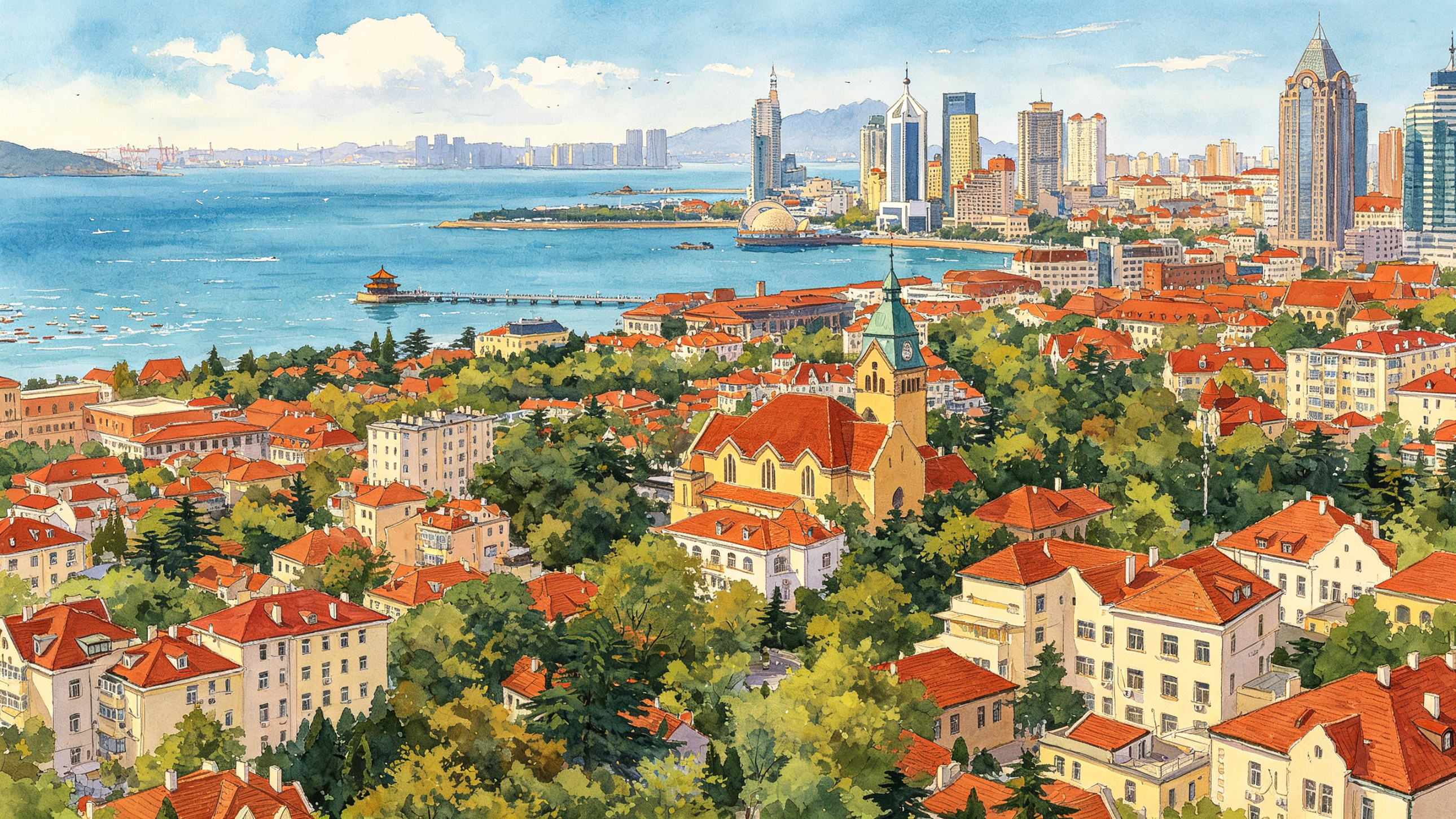
Beer and Sea Breeze: A 5-Day Deep Dive into Qingdao, European Romance of Red Tiles and Green Trees
Have you ever had that experience—walking through a city where on one side there are European-style villas with red tiles and green trees, and around the corner there’s the blue sea, with the sea breeze blowing, carrying a hint of beer fragrance.
Qingdao is just such a city.
It’s one of China’s most beautiful coastal cities, and also a city with a lot of European charm. Here, you can see German-style old buildings, and also see the blue sea; you can drink the freshest Tsingtao beer, and also eat the most delicious seafood. This city carries a hundred years of history on one side, and is full of coastal romance on the other.
Many people’s impression of Qingdao is just “beer,” “sea,” “red tiles and green trees.” But if you really stay here for a few days, you’ll find this city has more than just that. It has European romance, coastal leisure, beer enthusiasm, and a kind of magic that makes you not want to leave once you come.
Why spend five days experiencing Qingdao? Because in one or two days you can only see its sea and drink its beer. But in five days, you can walk into Badaguan and feel the city’s European romance; you can go to Laoshan and feel the grandeur of the famous mountain on the sea; you can drink the freshest beer on Beer Street and experience the city’s enthusiasm; you can also take a walk by the sea and feel the city’s leisure.
Five days is just enough for you to fall in love with this both romantic and leisurely coastal city.
Why Qingdao? A European Coastal City with Red Tiles and Green Trees
Many people’s impression of Qingdao is just “sea” and “beer.” But if you really understand this city, you’ll find these labels are too shallow.
Qingdao’s real charm lies in its “European romance.”
This is a very special city. It’s not as literary as Xiamen, not as tropical as Sanya, not as northern as Dalian. It has a very unique temperament—elegant, leisurely, with exotic charm. Here, you won’t see people rushing hurriedly, everyone takes their time, as if saying “what’s the rush, the sea is right there, and the beer is right there too.”
Qingdao’s history has deep roots with Germany. At the end of the 19th century, Germany occupied Qingdao and built many German-style buildings here—churches, villas, prisons, breweries… these buildings are still here now, becoming Qingdao’s unique scenery. Walking in Qingdao’s old urban area, you’ll have the illusion of walking in a small European town.
This European charm is reflected in every corner of Qingdao. You walk in Badaguan, and the villas on both sides are of various national styles—British, French, German, Russian… like a world architecture expo. You walk in Signal Hill Park, overlooking the entire old urban area of Qingdao—red tiles and green trees, blue sky and blue sea—very beautiful.
But Qingdao isn’t just about European charm. It also has a beautiful coastline—Zhanqiao Pier, Xiaoyushan, May Fourth Square, Olympic Sailing Center… each has its own characteristics. It also has a famous beer culture—Tsingtao beer is China’s most famous beer, and the annual Qingdao International Beer Festival attracts tourists from all over the world. It also has very fresh seafood—living by the sea, Qingdao’s seafood is rich in variety and delicious in taste.
When you travel to Qingdao, what you gain isn’t just which scenery you saw or how much beer you drank. What you gain is a feeling that “life can be this leisurely”—that you can see the sea every day, that you can drink fresh beer anytime, that a slow-paced life can also be this beautiful.
Five Days, Walking Into Qingdao’s Sea Breeze and Beer
Day 1: First Encounter with Qingdao — Zhanqiao Pier and Signal Hill, Feeling the City’s Romance
On the first day, I suggest you start from the old urban area.
Arrive in Qingdao in the morning, drop off your luggage at the hotel first. If you’re staying in Shinan District, you can head out right after putting down your things. The first stop I recommend is Zhanqiao Pier—this is Qingdao’s landmark, and also one of Qingdao’s most famous attractions. You can take a bus or taxi there, very convenient.
Zhanqiao Pier is a stone bridge extending into the sea, built in the late Qing Dynasty, with more than a hundred years of history. At the end of the bridge there’s Huilan Pavilion, a Chinese-style pavilion. Standing on Zhanqiao Pier, you can see the scenery of the entire Qingdao Bay, and also see Little Qingdao across the water. There are many seagulls by the sea next to the pier—if you come in winter, you can also feed seagulls.
Coming out from Zhanqiao Pier, you can stroll around the nearby Zhongshan Road. This is Qingdao’s most famous commercial street, with many time-honored brands and traditional buildings. You can buy some specialties here, or find a time-honored restaurant for lunch.
For lunch, you can eat at a restaurant near Zhongshan Road. There are many restaurants in this area, all kinds. I recommend trying Qingdao seafood—clams, scallops, oysters, shrimp… all fresh and delicious.
In the afternoon, you can go to Signal Hill Park. This is a small hill in Qingdao’s urban area—the hill isn’t high, but the view is very good. Standing at the rotating observation tower on the top of the hill, you can overlook the entire old urban area of Qingdao in 360 degrees—red tiles and green trees, blue sky and blue sea—very beautiful. This is one of the best places to see Qingdao’s panoramic view.
Coming down from Signal Hill, you can stroll around the nearby Daxue Road. This is Qingdao’s famous literary street, with many cafes, bookstores and cultural and creative shops. You can wander around casually, find a cafe to sit, and feel the city’s artistic atmosphere.
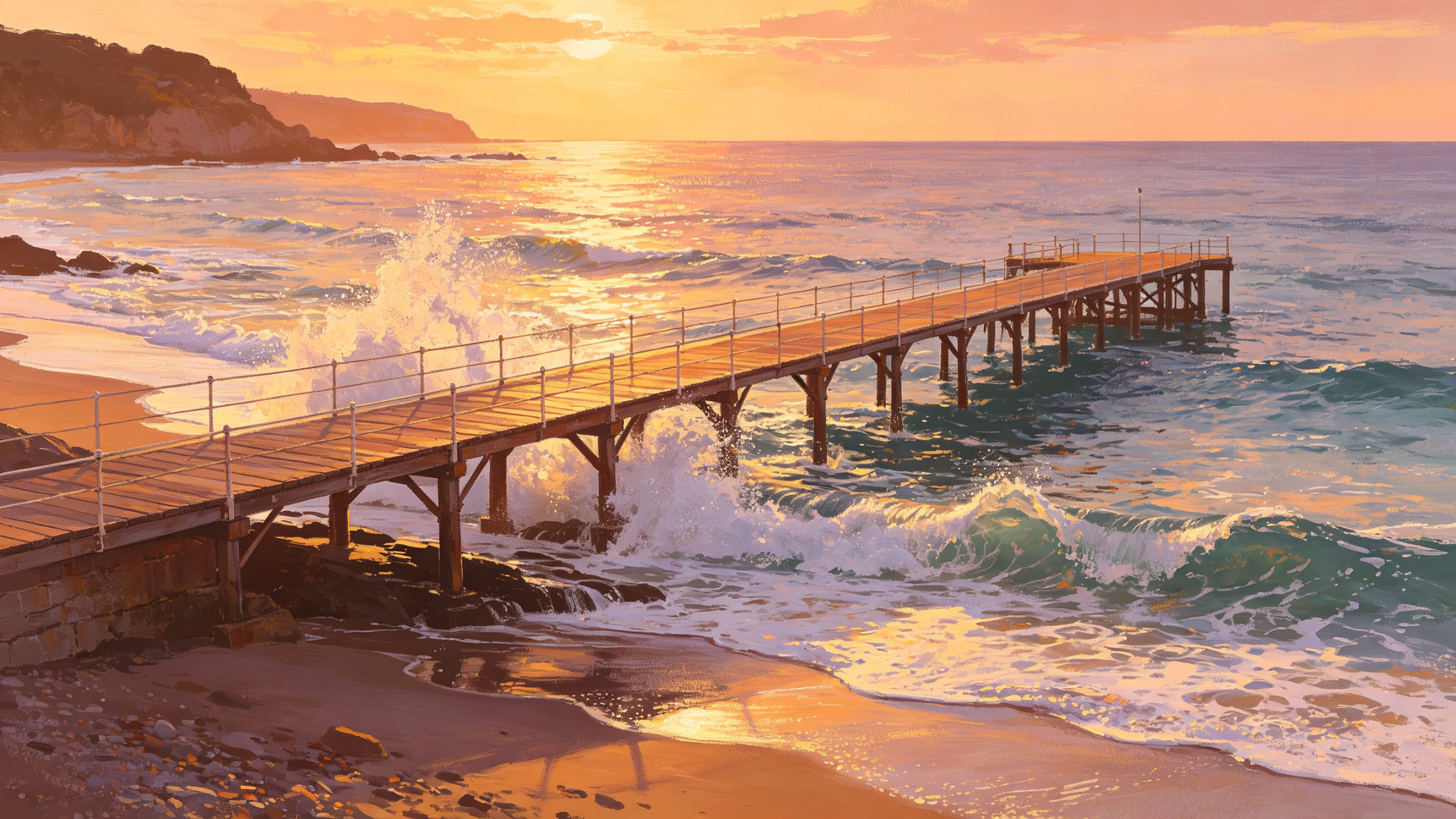
In the evening, you can go to Xiaoyushan Park to watch the sunset. This is also a small hill, with a very good view—you can see Zhanqiao Pier and Qingdao Bay scenery. When the sun sets, the sun goes down below the sea surface, and the sky and sea both turn golden red—very romantic.
At night, you can go to Pichaiyuan for dinner. This is Qingdao’s famous food street, with all kinds of snacks—grilled squid, seafood, stinky tofu, potstickers… everything you can imagine. Although it’s a bit touristy, it’s still worth going.
Today’s highlight: Standing on Signal Hill top, overlooking Qingdao’s red tiles and green trees and blue sky and blue sea, suddenly feeling that this city is really beautiful.
Day 2: European Charm — Badaguan and German Architecture, Feeling the City’s Exotic Flavor
On the second day, let’s feel Qingdao’s European charm.
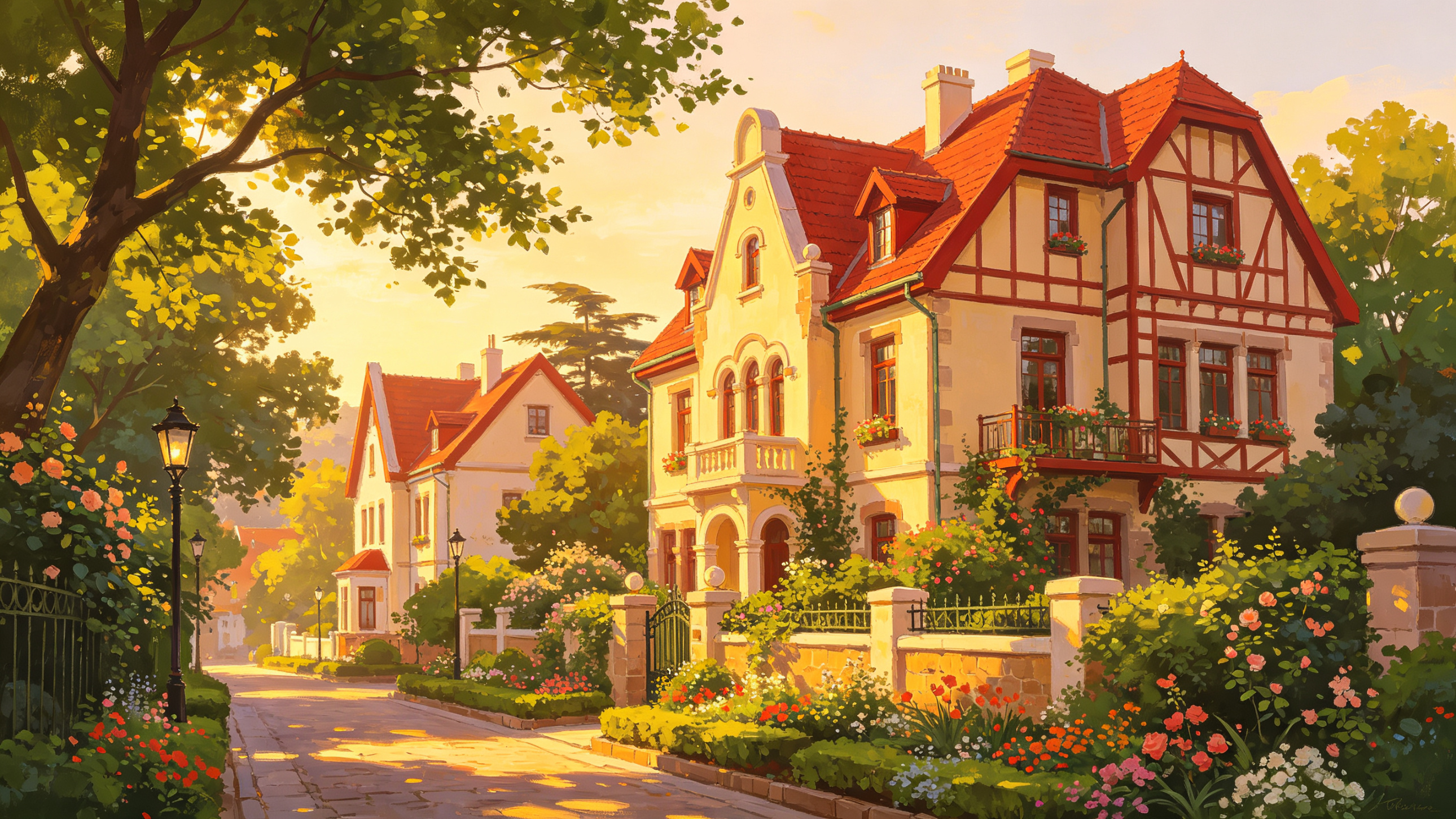
In the morning, you can go to Badaguan. This is one of Qingdao’s most famous attractions, and also one of China’s most beautiful neighborhoods. Badaguan is a neighborhood composed of eight roads (actually there are ten now), with villas of various national styles on both sides—British, French, German, Russian, Danish… like a world architecture expo.
Badaguan’s scenery is very beautiful, especially in autumn, when the ginkgo trees on both sides of the road turn golden—very beautiful. In spring, when the cherry blossoms at the pass bloom, it’s also beautiful. You can take a slow walk in Badaguan, see various styles of villas, and feel the elegance and tranquility here.
Besides villas, there are two famous buildings in Badaguan—Huashi Lou and Gongzhu Lou (Princess House). Huashi Lou is a Gothic-style castle, built with granite—very distinctive. Gongzhu Lou is a Danish-style villa, said to be where the Danish princess stayed when she came to Qingdao. Both buildings can be visited inside.
For lunch, you can eat at a restaurant near Badaguan. There are many distinctive restaurants in this area, some in old villas, some with sea views—all worth trying.
In the afternoon, you can visit the Qingdao German Prison Site Museum. This was a prison built by the Germans back then, with more than a hundred years of history, one of China’s earliest existing colonial prisons. The prison’s architecture is very distinctive, and the exhibitions inside are also worth seeing—you can learn about Qingdao’s history back then.
If you’re interested in history, you can also visit the Former German Governor’s Residence Museum. This was the official residence of the German Jiaozhou Governor back then, a very grand German-style building. The decoration and furniture inside the building are well preserved and can be visited.
In the evening, you can take a walk at Second Bathing Beach. This is one of Qingdao’s most beautiful bathing beaches, right next to Badaguan. The beach is very clean, and the seawater is also clear. You can take a walk on the beach, watch the sunset—very comfortable.
At night, you can stroll around the Olympic Sailing Center area. This was the venue for the 2008 Beijing Olympic Games sailing competition, now turned into a very modern business district. You can have dinner here, or see the night view, and feel Qingdao’s modern side.
Today’s highlight: Walking slowly on Badaguan’s streets, watching the European-style villas and big trees on both sides, suddenly feeling like I’m in a small European town.
Day 3: Beer Culture — Tsingtao Beer Museum and Beer Street, Feeling the City’s Enthusiasm
On the third day, let’s feel Qingdao’s beer culture.
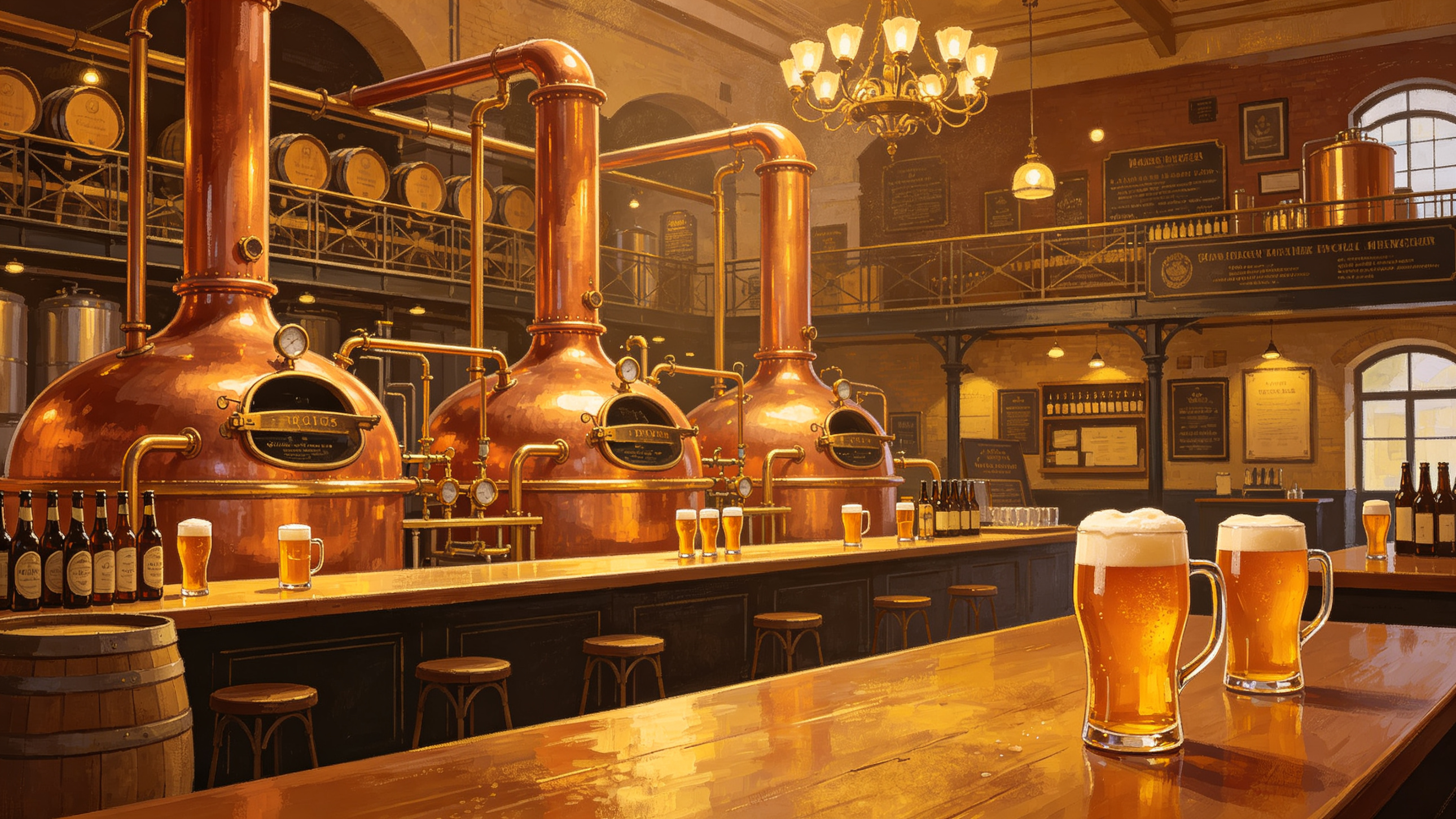
In the morning, you can go to the Tsingtao Beer Museum. This is a museum built on the old site of the Tsingtao Brewery, and also China’s first beer museum. You can learn about the history of Tsingtao beer here, see the beer production process, and also drink fresh Tsingtao beer and beer beans for free.
The museum is divided into several exhibition areas—history exhibition area, production process exhibition area, multi-functional exhibition area, etc. The most interesting is the production process exhibition area—you can see how beer turns from malt into beer, and also see the old equipment from back then. Finally, you can go to the tasting area and drink a cup of fresh Tsingtao beer just out of the factory—the taste is different from bottled, very delicious.
For lunch, you can eat at a restaurant near the beer museum. There are many restaurants in this area, all kinds. I recommend finding a restaurant with draft beer—eating seafood while drinking fresh beer, very satisfying.
In the afternoon, you can go to Dengzhou Road Beer Street. This is Qingdao’s most famous beer street, with many beer houses and restaurants on both sides. You can drink the freshest draft Tsingtao beer here—packed in plastic bags, which is Qingdao’s specialty. The price is also very cheap—you can buy a big bag for a few yuan.
Besides drinking beer, there’s also a lot of delicious food on Beer Street—grilled squid, grilled clams, seafood barbecue… everything you can imagine. You can find a roadside stall to sit down, order a few small dishes, drink some beer, and feel Qingdao people’s nightlife.
If you’re interested in beer, you can also visit the Tsingtao Brewery. Although you’ve already seen the museum, the brewery itself also has a lot of history, and the old buildings in the factory area are very distinctive.
In the evening, you can stroll around Taidong Pedestrian Street. This is one of Qingdao’s busiest commercial streets, with many malls, restaurants and small shops. You can buy things here, or watch a movie, and feel Qingdao’s street-level liveliness.
At night, you can have dinner on Beer Street. Find a lively beer house, order a few seafood dishes, drink a few cups of fresh Tsingtao beer, and experience Qingdao people’s lifestyle. Qingdao people are very enthusiastic—the big brother at the next table might主动 chat with you and toast with you.
Today’s highlight: In a roadside beer house on Beer Street, drinking fresh Tsingtao beer packed in plastic bags, eating grilled seafood, suddenly feeling that this is the taste of Qingdao.
Day 4: Laoshan Fairyland — Famous Mountain on the Sea and Taoist Holy Land, Feeling the City’s Natural Beauty
On the fourth day, let’s go see Qingdao’s most famous natural attraction—Laoshan.
Depart from the city center in the morning, take a bus or taxi to Laoshan, the journey takes about one and a half to two hours. Laoshan is the highest mountain on China’s coastline, known as “the number one famous mountain on the sea.” It’s also one of the birthplaces of Taoism, with many Taoist temples.
Laoshan is very large, with several scenic areas—Liuqing, Taiqing, Shangqing, Yangkou, Jufeng… each with its own characteristics. If it’s your first time going, I recommend Taiqing Scenic Area—this is Laoshan’s most famous scenic area, and also a Taoist holy land. There’s Taiqing Palace here, the oldest and largest Taoist temple in Laoshan.
Taiqing Palace was built in the Western Han Dynasty, with more than two thousand years of history. There are many ancient trees and ancient buildings in the palace, and the environment is very quiet. You can visit inside the palace and see Taoist architecture and culture. The nearby seaside is also beautiful—you can take a walk by the sea and see the sea scenery.
If you’re in good physical condition, you can also climb Laoshan Jufeng (Laoshan Giant Peak). This is Laoshan’s highest peak, 1133 meters above sea level. Standing at the top, you can overlook the entire Laoshan and Yellow Sea scenery—very spectacular. But climbing requires physical strength—I recommend setting aside a whole day.
For lunch, you can eat at a restaurant in Laoshan scenic area. There are many farm stays and restaurants in this area—I recommend trying Laoshan’s specialty dishes—Laoshan mushroom stewed chicken, seafood, wild vegetables… all fresh and delicious.
In the afternoon, you can go to Yangkou Scenic Area. The beach here is beautiful, and the seawater is also clear. You can take a walk on the beach, or take a boat out to sea and see the sea scenery. If you like outdoor activities, you can also climb Yangkou Mountain—the view is also very good.
If you have enough time, you can also go to Beijiushui to see. This is another scenic area of Laoshan, famous for its streams and waterfalls. The water is very clear, and the scenery is also beautiful—suitable for people who like nature.
Back in the city in the evening, you can go to May Fourth Square to see. This is one of Qingdao’s landmarks, with a very famous “May Wind” sculpture. Next to it is the Olympic Sailing Center—very beautiful when the lights come on at night.
At night, you can have dinner at a restaurant near the Olympic Sailing Center. There are many sea view restaurants in this area, all with great environments. You can have dinner while watching the sea view—very romantic.
Today’s highlight: Standing on the top of Laoshan, watching the Yellow Sea under your feet and the islands in the distance, suddenly feeling the grandeur of “the number one famous mountain on the sea.”
Day 5: Slow Qingdao — Seaside Walk and Coffee Time, Feeling the City’s Leisure
On the last day, slow down and feel Qingdao people’s daily life.
In the morning, you can take a walk at First Bathing Beach. This is Qingdao’s most famous bathing beach—the beach is very long, and the seawater is also clear. You can take a walk on the beach, or sit on the beach daydreaming, watching the sea. If you come in summer, you can also go swimming.
Coming out from the bathing beach, you can stroll around the nearby Luxun Park. This is a coastal park, with many reefs and pine trees—beautiful scenery. You can take a walk in the park, see the sea scenery—very comfortable.
For lunch, you can eat at a restaurant near the park. There are many seafood restaurants in this area, all pretty good. I recommend finding a sea view restaurant—eating seafood while watching the sea, very enjoyable.
In the afternoon, you can find a seaside cafe to sit. Qingdao has many distinctive cafes—some in old villas, some by the sea, some on hills. You can order a coffee and sit there drinking slowly, watching the sea view, daydreaming, and feeling the slow pace of this city.
If you like browsing small shops, you can also stroll around Daxue Road or Huangxian Road. Both streets are very literary old streets in Qingdao, with many distinctive small shops—cafes, bookstores, cultural and creative shops, vintage stores… all worth visiting.
In the evening, you can go to Xiaoyushan or Signal Hill to watch the sunset one more time. Take one last look at Qingdao’s sea, feel one last time this city’s romance. You’ll find that after a few days, you’ve already started to like this leisurely and romantic city a little bit.
At night, you can go to Pichaiyuan or Beer Street for your last Qingdao meal. Eat all the seafood you haven’t tried yet, drink a few more cups of fresh Tsingtao beer, drawing a perfect end to your five-day Qingdao trip.
Today’s highlight: In a seaside cafe, drinking coffee, watching the sea outside the window, suddenly feeling that this slow-paced coastal life is really beautiful.
From Seafood to Beer: Qingdao’s Food Map
Qingdao is a city worth visiting专门 for food. There’s so much good food here—from fresh seafood to cold beer, each one makes you want more.
Here are some must-eat foods I recommend, and where to eat them:
1. Tsingtao Beer
Tsingtao beer is Qingdao’s calling card, and also China’s most famous beer. Brewed with high-quality malt, hops and Laoshan spring water—refreshing taste, fine foam—very delicious. When you come to Qingdao, you must drink the freshest draft beer—packed in plastic bags, which is Qingdao’s specialty.
- Recommended restaurant: Tsingtao Beer Museum, Dengzhou Road Beer Street
- Price range: ¥5-20/cup
- Must-order: Draft beer, original beer, dark beer
2. Seafood
Qingdao is by the sea, so seafood is of course a must-eat. The seafood here is rich in variety and very fresh—clams, scallops, oysters, shrimp, crabs, all kinds of fish… everything you can imagine. Can be steamed, braised, spicy stir-fried—all delicious.
- Recommended restaurant: Pichaiyuan, Beer Street, Taidong Night Market
- Price range: ¥80-200/person
- Must-order: Spicy stir-fried clams, steamed scallops, oysters, big shrimp
3. Qingdao Potstickers
Qingdao potstickers are Qingdao’s specialty snacks, different from regular potstickers—longer in shape, golden and crispy on the bottom, filled with pork cabbage or three fresh fillings. Take a bite, crispy on the outside and tender inside, fresh and juicy—very delicious.
- Recommended restaurant: Pichaiyuan, Taidong Night Market
- Price range: ¥10-20
- Must-order: Pork potstickers, three fresh potstickers
4. Shandong Cuisine (Lu Cai)
Shandong cuisine is Shandong’s cuisine, and also one of China’s eight major cuisines. As a city in Shandong, Qingdao’s Shandong cuisine is also very authentic. Classic Shandong dishes include sweet and sour carp, scallion braised sea cucumber, oil-burst double crisp… all worth trying.
- Recommended restaurant: Chunhe Lou, Qingdao Hotel
- Price range: ¥100-200/person
- Must-order: Sweet and sour carp, scallion braised sea cucumber
5. Laoshan Mushroom Stewed Chicken
Laoshan mushrooms are a specialty of Laoshan, a kind of wild mushroom with delicious taste. Stewed together with local free-range chicken using Laoshan mushrooms—the soup is rich and the taste is delicious, very good. This is Laoshan’s specialty dish—you must try it when you go to Laoshan.
- Recommended restaurant: Farm stays in Laoshan scenic area
- Price range: ¥60-100
- Must-order: Laoshan mushroom stewed chicken, mountain wild vegetables
6. Seaweed Jelly
Seaweed jelly is Qingdao’s traditional snack, jelly made from seaweed, with vinegar, garlic, cilantro and other seasonings added—cool and smooth, very suitable for eating in summer. Sold at roadside snack stalls everywhere—very cheap and also very delicious.
- Recommended restaurant: Roadside snack stalls everywhere
- Price range: ¥5-10
- Must-order: Seaweed jelly, spicy stir-fried clams
7. Qingdao Big Bun
Qingdao big buns are Qingdao’s traditional breakfast—very big in size, full of fillings. Classic flavors include pork cabbage, three fresh, red bean… all delicious. Buy a big bun in the morning, paired with soy milk or porridge—that’s a perfect breakfast.
- Recommended restaurant: Qingdao Big Bun Shop (multiple branches)
- Price range: ¥5-10
- Must-order: Pork big bun, three fresh big bun
Things You Need to Know Before You Go

Best Travel Season
The best travel seasons for Qingdao are May to October, when the weather is warm, suitable for swimming and seaside activities. Summer (July-August) is peak tourist season, with more people, but you can go swimming and also attend the Qingdao International Beer Festival. Spring (April-May) and autumn (September-October) are also very suitable for travel—the weather is mild and there are fewer people. Winter (December to February) is colder, but you can see snow scenes and also feed seagulls, which also has its own charm.
Transportation Guide
- Airport: Qingdao Jiaodong International Airport (TAO) is the largest airport in Shandong. From the airport to the city center you can take subway line 8 transfer to line 3 (about 1.5 hours), or take airport buses, taxis.
- High-speed rail: Qingdao has two main high-speed rail stations—Qingdao Station and Qingdao North Station. Qingdao Station is closer to the city center, right in Shinan District; Qingdao North Station is farther, but has more high-speed train services.
- City transportation: Qingdao’s subway currently has several lines, can reach major attractions. Buses are also very convenient, almost can reach all places. You can also take taxis or ride-hailing cars, or use shared bikes. Qingdao’s old urban area has many uphill and downhill sections—riding a bicycle might be tiring.
Accommodation Area Suggestions
- Shinan District (Zhanqiao/Badaguan): The most Qingdao-characteristic area, very close to many attractions—suitable for tourists.
- Shibei District (Taidong): Livelier, very convenient for eating, drinking, and having fun, prices are also more affordable—suitable for travelers who like liveliness.
- Laoshan District: Quieter, closer to Laoshan scenic area—suitable for travelers who like nature.
- Huangdao District (West Coast): More modern, with Golden Beach and other attractions—suitable for travelers who like beaches.
Budget Reference
- Budget travel: ¥150-300 per day. Stay in youth hostels, eat at street stalls and snack shops, take public transportation, mainly free attractions.
- Comfortable: ¥400-800 per day. Stay in three-star hotels, eat at regular restaurants, occasionally have a seafood feast, buy attraction tickets when needed.
- Luxury: ¥1,500+ per day. Stay in five-star sea view hotels, eat at high-end seafood restaurants, take taxis, experience everything.
Common Pitfalls and Tips to Avoid Them
- Seafood restaurants—be careful, some will shout prices randomly, I recommend asking the price clearly before ordering.
- Beer Street’s things are more expensive, more suitable for experience—if you want affordable food you can go to Taidong Night Market or roadside small shops.
- Laoshan tickets are more expensive, and the scenic area is very large—I recommend planning your route in advance, just choose one or two scenic areas.
- Restaurant tips aren’t necessary—mainland China doesn’t have a tipping culture.
- Qingdao is very sunny in summer—if you come in summer, be sure to做好 sun protection, bring sunscreen and parasol.
Qingdao is a very special city. It’s not prosperous enough, not modern enough, even a bit small and old. But it has a very special magic—you don’t want to leave once you come, and you miss it once you leave.
Miss the sea here, miss the beer here, miss the red tiles and green trees here, miss the leisure and romance here.
Five days might not be enough for you to drink all of Qingdao’s beers, but it’s enough for you to fall in love with this coastal city of red tiles and green trees, fall in love with the sea breeze and beer here.
Have you been to Qingdao? What do you like most about Qingdao? Welcome to share your Qingdao stories in the comments.
Travel Disclaimer: The travel information provided in this article is for reference only, including but not limited to attraction opening hours, ticket prices, transportation times, restaurant operating conditions, etc., all may change due to seasons, policies, or other factors. Please be sure to verify the latest information before departure, and plan your trip according to your own situation. Please pay attention to your own safety during travel and comply with local laws and regulations. This article does not constitute any travel advice or guarantee, and the author of this article does not assume any responsibility for any loss or inconvenience caused by referring to the content of this article.
Comments