There’s a man we’ll call Old Wang. Over the last three months he turned himself into a financial ascetic. To save money, he gave up his daily latte, canceled his downstairs gym’s annual membership, and even canceled the family’s annual vacation. He believed that as long as he split every last copper coin in two, he could safely ride out this economic winter.
But oddly, three months later when he opened his bank account, his savings hadn’t grown much—while the hollow, insecure feeling inside had only gotten worse. He felt like his financial state was a tire with a tiny puncture—not blown out, but steadily, firmly leaking air every day.
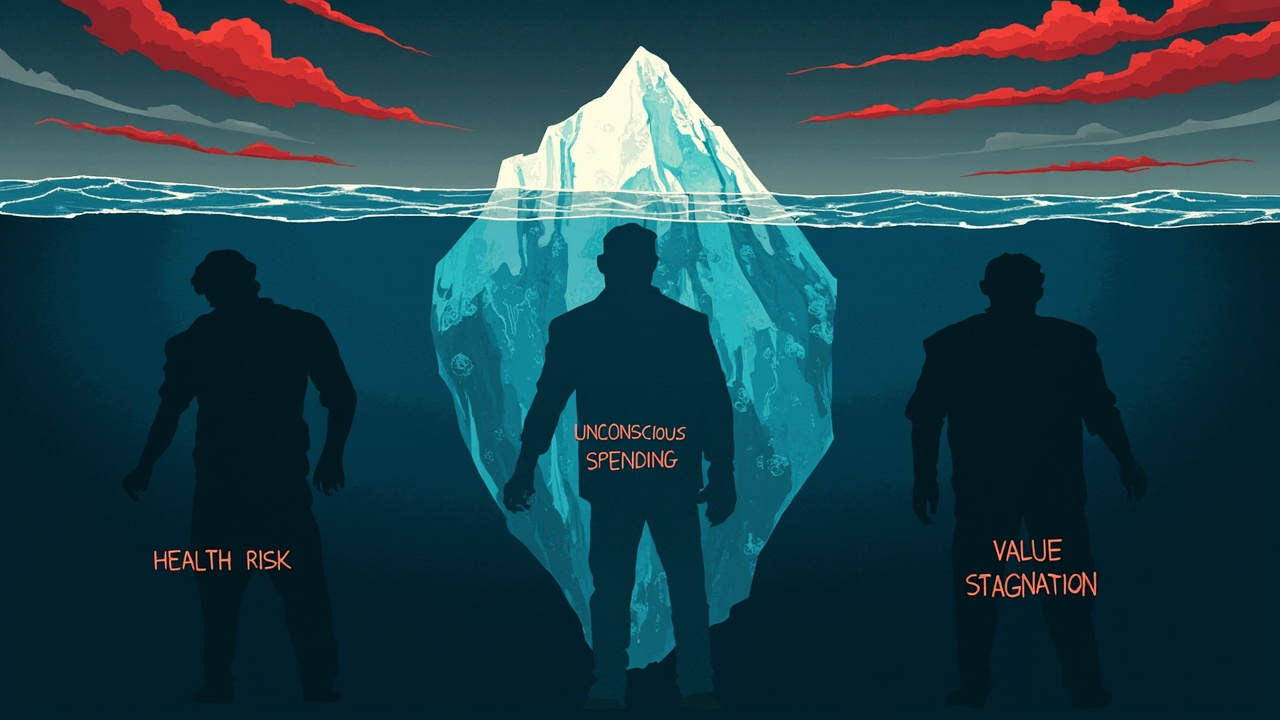
Old Wang’s problem may also be the puzzle of many of you reading this: we save hard, so why is our wealth still quietly shrinking? Because we all got one thing wrong. In an economic downturn, the things that truly devour your wealth are never those visible expenses—they’re three killers hidden below the iceberg.
1. The First Killer: A Sudden Collapse From Health Risk
Many people think when the economy is bad, the first thing to cut is non-essential health-related spending—like checkups, or higher-quality food. This is a fatal short-sightedness.
Have you ever calculated how much a not-too-serious illness can cost? In an ordinary Class III Grade A hospital, hospitalization fees have quietly crossed NT$15,000—and note this is just the average. If surgery is needed, or imported devices and drugs, it’s commonplace for this number to multiply by five or ten. A single acute appendectomy, from checkup to discharge, can eat two months of your salary; a single heart stent procedure can wipe out half the savings of an ordinary family.
Behind this lies a cruel equation of interest: you gamble tens of thousands of medical expenses against the few hundred you saved by skipping a checkup. In good times, that’s called risk-taking; in a downturn, it’s called suicide—because once your income sources are no longer stable, your family’s financial state goes from an ocean liner to a skiff, and any ripple can capsize it. And a sudden illness is that towering wave capable of overturning everything.
2. The Second Killer: The Steady Bleeding of Unconscious Spending
The second killer is the steady bleeding of unconscious spending. Old Wang thought giving up his latte and the gym was “saving,” but he didn’t notice the invisible small change quietly draining away: the daily drink delivery, the flash-sale push notifications from shopping apps, the impulse buys to hit free-shipping thresholds, the digital subscriptions auto-renewing on his credit card.
None of these expenses are large individually, but their horror lies in being “unconscious”—you don’t even realize how much you’ve spent. Studies show that modern people make more than 200 consumption-related micro-decisions every day, more than 70% of which come from habit or emotion, not real need.
In an economic winter, you cut the “felt” expenses (latte, gym) while turning a blind eye to the “unfelt” bleeding. It’s like you’ve been tightening the faucet with all your might, but missed the puddle already on the floor—the problem isn’t the faucet, it’s the leak you didn’t notice.

3. The Third Killer: Stagnation of Personal Value Perception
The third killer is the most invisible—and the most lethal: stagnation of personal value perception. When the economy goes down, you may instinctively take a “defensive” posture: stop learning new skills, stop taking on new projects, stop expanding your network—because you feel “let’s just get through what’s right in front of us first.”
But this is precisely the most dangerous strategy in an economic winter. When everyone else is contracting, that’s the best time to build relative advantage. When your peers are lying flat, every new tool you learn, every professional book you read, every certification you earn is accumulating筹码 for the next upcycle.
The horror of personal-value stagnation is this: it doesn’t make you pay immediately, but 2 to 3 years down the road you’ll suddenly find you’ve been left far behind by the market. When the economy recovers and companies start reopening positions, you’ll realize your skills are outdated, your salary has frozen, your bargaining power has vanished—while those who kept studying through the winter are already several lengths ahead of you.

4. Seven Zero-Cost Actions to Build Your Financial Firewall
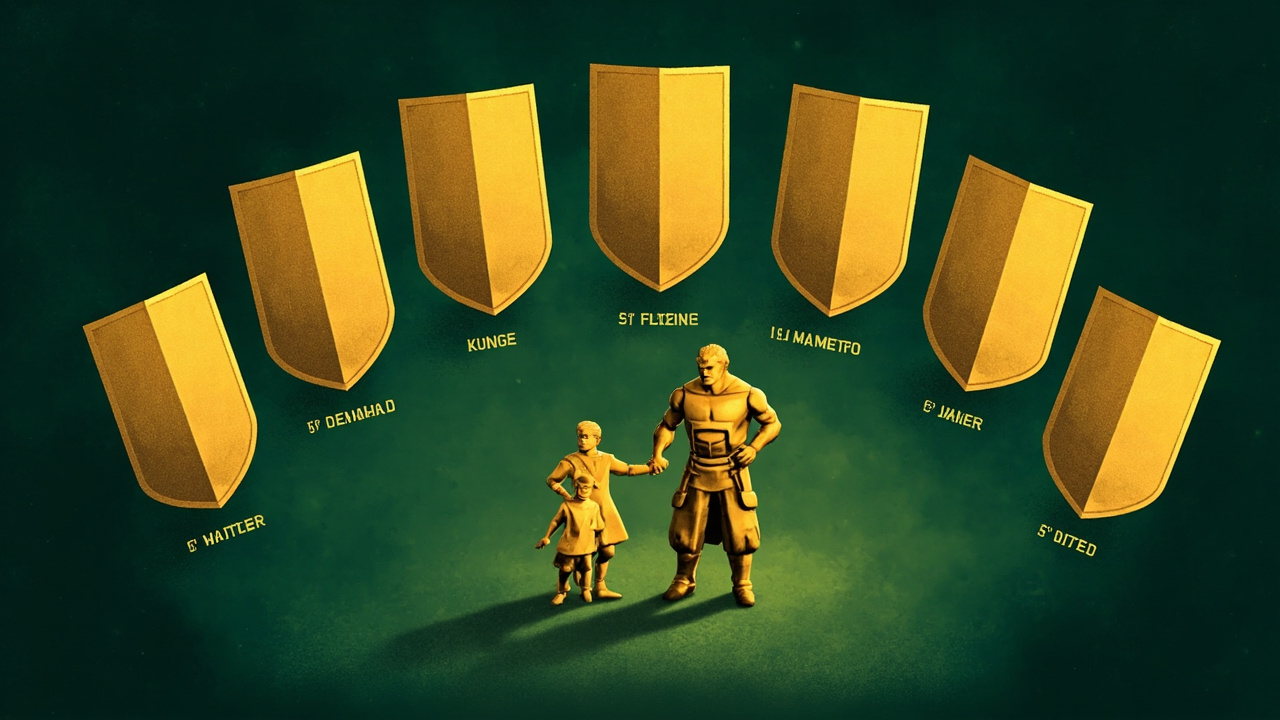
Faced with these three invisible killers, here are seven concrete actions—almost free—that can help you build a personal financial firewall:
First, walk 30 minutes every day. You might be thinking, “I’m so anxious my hair is falling out, and you want me to go for a walk?” But this isn’t a joke. A 2023 meta-analysis covering 30 years and hundreds of thousands of subjects found that 30 minutes of moderate-intensity walking daily was as effective as common anti-anxiety medications at improving mild-to-moderate depression and anxiety symptoms—and at zero cost and zero side effects.
Second, get the checkup anyway. A basic checkup costing a few hundred today may save you hundreds of thousands in medical bills later. Don’t save money when problems are easiest to spot, only to be forced to deal with them when they’re most expensive.
Third, build an “unconscious spending” list. Pick up your phone, scroll through the last three months of credit-card statements and mobile-payment records, list every purchase you can’t quite remember why you made—those are your financial leaks.
Fourth, enable the “24-hour cooling-off period” rule. For any non-essential purchase above NT$1,000, force yourself to wait 24 hours before deciding. More than 90% of impulse purchases vanish on their own after the cooling period.
Fifth, learn a small new-skill unit every week. Spend 3 to 5 hours learning new tools, methods, and trends related to your profession. A cumulative 200 hours a year is enough to create a qualitative change in your career.
Sixth, build a contact list, not contact anxiety. Don’t force yourself to socialize in an economic winter, but have at least one in-depth 30-minute conversation with an industry friend each month. These weak ties are often the entry point to the next opportunity.
Seventh, redefine “frugality.” Frugality isn’t “don’t spend,” it’s “spend every dollar where it produces compounding returns.” Cut unconscious spending, but keep investments that improve your skills, health, and horizons—that’s the truly smart kind of frugality.
Conclusion: The Real Anti-Fragility Is to Position While Others Panic
The economic winter isn’t the end of the world—it’s a stress test. It brings out every flaw in your financial structure that prosperity used to mask, and quietly widens the gap between those who know how to “position while others panic” and everyone else.
Old Wang’s problem wasn’t that he didn’t try hard enough—it was that he treated “frugality” as his only weapon. But real financial resilience doesn’t come from more刻苦 saving; it comes from a system that simultaneously defends against the three invisible killers: protecting health, cleaning up unconscious spending, and continuously accumulating personal value. Starting today, begin with a 30-minute walk each day.
This article shares general financial and health concepts, and does not constitute any investment, medical, or professional advice. Health statuses vary by individual—please consult qualified medical professionals for exercise and checkup decisions; for financial and career planning, please make independent judgments based on your own risk tolerance, and consult a qualified professional financial advisor when necessary.
Disclaimer: This article shares investment concepts and compiled reference material. It does not constitute any specific investment, tax, or legal advice. Markets carry risk and investing requires caution; please make independent judgments based on your own risk tolerance and consult a professional advisor.
Tags
經濟寒冬, 隱形財務風險, 健康財務衝擊, 無意識消費, 個人價值投資, 財務防火牆, 30分鐘走路, Cognitive Upgrade, 抗衰退理財, Emergency Reserve, 下行週期, 財務韌性
Comments