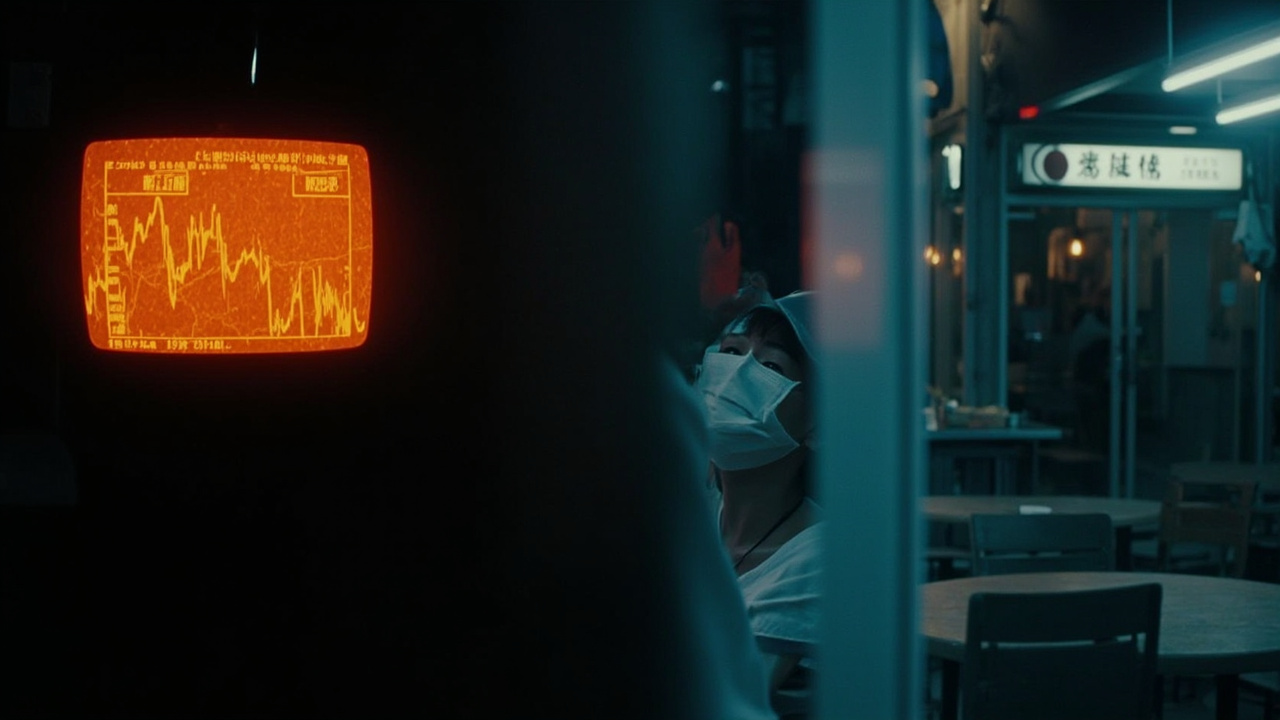
You turn on the TV and see Taiwan’s GDP growth revised up, TAIEX holding above 20,000, export orders hitting new highs. You turn off the TV, walk back to the noodle shop at the corner of the alley, and the owner is complaining business is tough. This huge gap between “data” and “feel” is never a coincidence.
It usually means only one thing: a silent reshuffling of wealth has already begun. This reshuffle won’t make the front-page news—it’s a silent undercurrent, redistributing every dollar and every opportunity in this society at a pace you can’t feel. Most people don’t even realize they’re standing on the fault line of an era—the familiar ground under their feet is cracking, the old ways of making money are rapidly failing, and you still haven’t figured out the new rulebook.
The result is: you work harder than before, put in longer overtime, scrimp and save, but the stable life you want moves further away. This article doesn’t get into the headache of economic theory—we’ll just unpack a real “money story” happening right around you and me.
1. The Good Old Days of the Past 20 Years Ran on Two Wheels
To understand this wealth migration, we have to go back to the most basic question: where exactly did those familiar, even slightly nostalgic, good old days of the past 20 years come from?
The logic is actually very simple. It rested on two things—two giant wheels of a bulldozer, pushing all of Taiwan forward. One is called real estate, the other is called traditional manufacturing. One distributed money inside the island; the other earned money back from overseas.
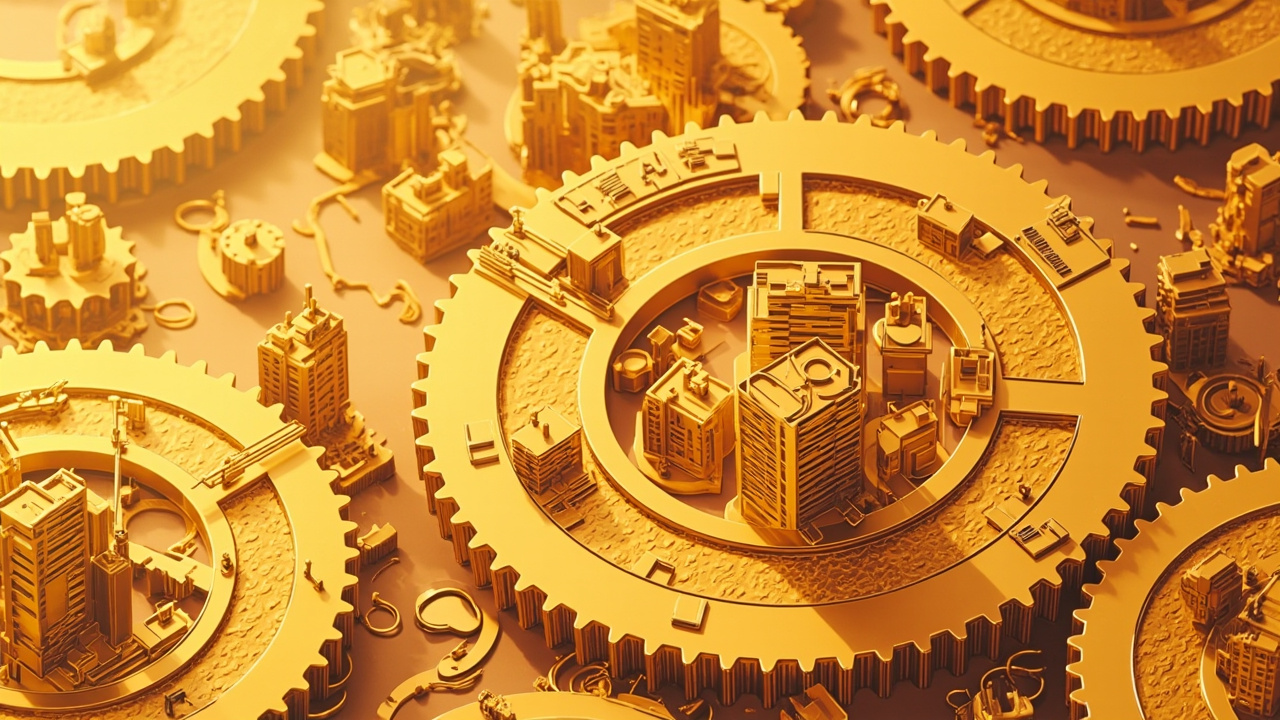
The key characteristic of real estate is that it created a prosperity that was “low-threshold, full-chain, and shared with the common people.” Think about it: from the moment a project starts digging the foundation, doesn’t it need excavator operators, steel-tying workers, concrete-pouring crews? Aren’t the building-material stores that sell rebar, cement, and tiles getting business? After the building is done, plumbing, electrical, painting, decoration, lighting, bathrooms—every link supports a group of people. Realtors, closing agents, banks, moving companies, furniture stores—almost every industry is pulled in and gets a share of the pie.
This is real estate’s greatest social meaning: it lets wealth flow at the grassroots level, giving a plumber or a painter a chance to earn a piece of the dividend through hard work.
2. Both Wheels Are Stalling at the Same Time
But the problem is this old engine, which has been running for 20 years, is now starting to lose parts one by one.
The first wheel—real estate—is losing speed. When a society’s price-to-income ratio for housing spirals out of control to 10x, 20x, real estate is no longer “a dividend for everyone”—it becomes “a passbook for the rich.” Instead of distributing money outward, it sucks money out of the pockets of the young and the un-homed, into the accounts of those who already own assets.
The second wheel—traditional exports—is relocating. The textile, shoe, plastics, and assembly outsourcing that used to underpin Taiwan’s foreign-exchange reserves have moved one by one to Vietnam, Indonesia, Mexico. What stays behind isn’t R&D, isn’t brands—it’s a shrinking pool of low-end jobs.
When both wheels stall at once, the old engine breaks down. The new engine is AI, semiconductors, high-end services—but it needs a completely different driver. You have to know how to code, do data analysis, compete with the world.
This is why you feel like you’re “getting poorer”—it’s not that you don’t try hard enough, it’s that you’re standing on a stalled engine. No matter how hard you press the accelerator, nothing happens.
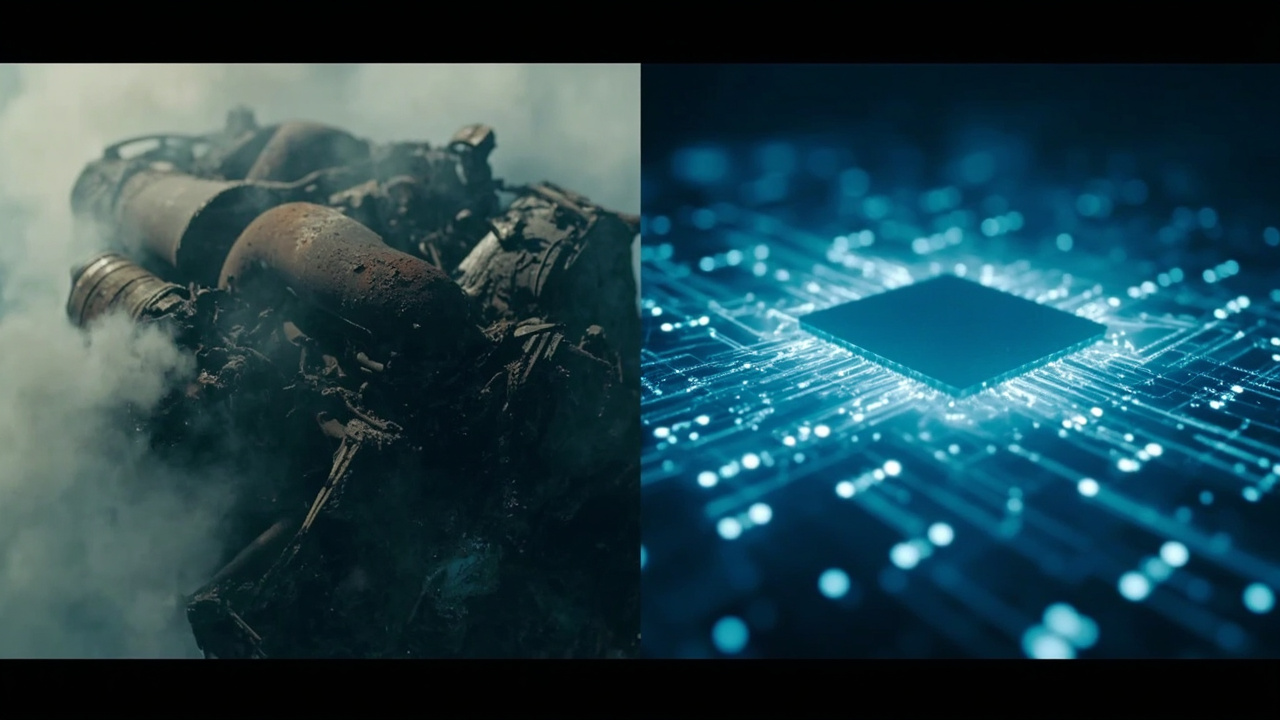
3. Where Is Wealth Migrating? Three New Directions
Since the old engine is stalling, who captures the dividends of the new one? Reading capital flows matters more than reading any financial statement.
The first direction: AI and the semiconductor supply chain. TSMC, MediaTek, Quanta, Wistron—you’ve heard these names until you’re sick of them, but the real dividend isn’t just these giants themselves—it’s the entire ecosystem around them: equipment, materials, software, consulting, cold-chain logistics. If you can’t buy these companies’ stocks directly, at least don’t completely ignore this trend in your asset allocation.
The second direction: global asset allocation. In the past, Taiwanese wealth was almost all tied up in real estate and Taiwan stocks, but over the next 10 years, the risk of betting on a single market will only grow. U.S. stocks, global ETFs, even some bonds—these things once considered “only for the rich” will become the basic setup for ordinary people.
The third direction: cash-flow assets. Stop chasing one-time capital gains; instead, chase stable monthly or quarterly cash inflows. This shift in mindset is more critical than picking any single stock.
4. Is There Still a Chance for Ordinary People in This Reshuffle?
Yes, but you have to face one brutal fact first: you can no longer play by the 20-year-old playbook.
The traditional Taiwanese path to upward mobility goes roughly like this: get a job → work hard for promotion → save to buy a home → wait for home prices to rise → retire comfortably. That script has completely failed today, because the “save to buy a home” step is broken—your savings rate can’t keep up with the pace of asset price increases.
The new script must contain three elements:
- Leverage your expertise and take it to market. Don’t just earn a salary—turn your expertise (whether coding, design, or marketing) into a service that can be priced directly by the market.
- Build passive cash flow. Whether dividends, bond coupons, rent, or royalties, let your money work even while you sleep.
- Embrace global assets. Widen your视野 beyond Taiwan; allocate at least a portion of your assets to global markets to diversify away single-country policy and business-cycle risk.

5. Conclusion: Don’t Get Thrown Off by the Era
Taiwan’s economy is growing, but you’re getting poorer—this isn’t your fault, it’s that the ground under your feet is changing rules. The engine that pushed society forward for 20 years has stalled; the new engine needs a new driver, new fuel, and a new map.
Rather than complain that the times have changed, ask yourself a more practical question: “Where do I plan to stand over the next 5 years?”
Will you keep standing on a stalled engine, working overtime, saving, waiting for a stability that won’t come? Or will you seize this moment to read the capital flows and move yourself onto the track of the new engine?
A wealth reshuffle is never the end of the world—it’s a structural redistribution. Every structural reshuffle throws some people off and quietly turns unknowns into the new winners. The only difference is whether you, right now, are the one watching the show, or someone ready to step on stage.
This content reflects the author’s personal observations and shared financial concepts only, and is not investment advice. Any investment decision should be based on your own risk tolerance, and you should consult a qualified financial advisor. Past performance does not guarantee future returns. Please carefully assess your own situation before considering any financial product mentioned in this article.
Disclaimer: This article shares investment concepts and compiled reference material. It does not constitute any specific investment, tax, or legal advice. Markets carry risk and investing requires caution; please make independent judgments based on your own risk tolerance and consult a professional advisor.
Tags
臺灣經濟, 財富洗牌, 房地產, 傳產外移, AI Era, 階級流動, 中產階級, 經濟成長, 投資理財, 薪水族, Inflation, 財富遷移
Comments