
You hand over NT50 — your chance of ever turning your life around has been scratched away too.
At the convenience store checkout, your eyes drift to the row of scratch cards and you think “just one, maybe I’m lucky today.” You scratch, don’t win, tell yourself buy one more to recoup, scratch again, don’t win — you know that feeling? The feeling of knowing the odds are low but not being able to stop.
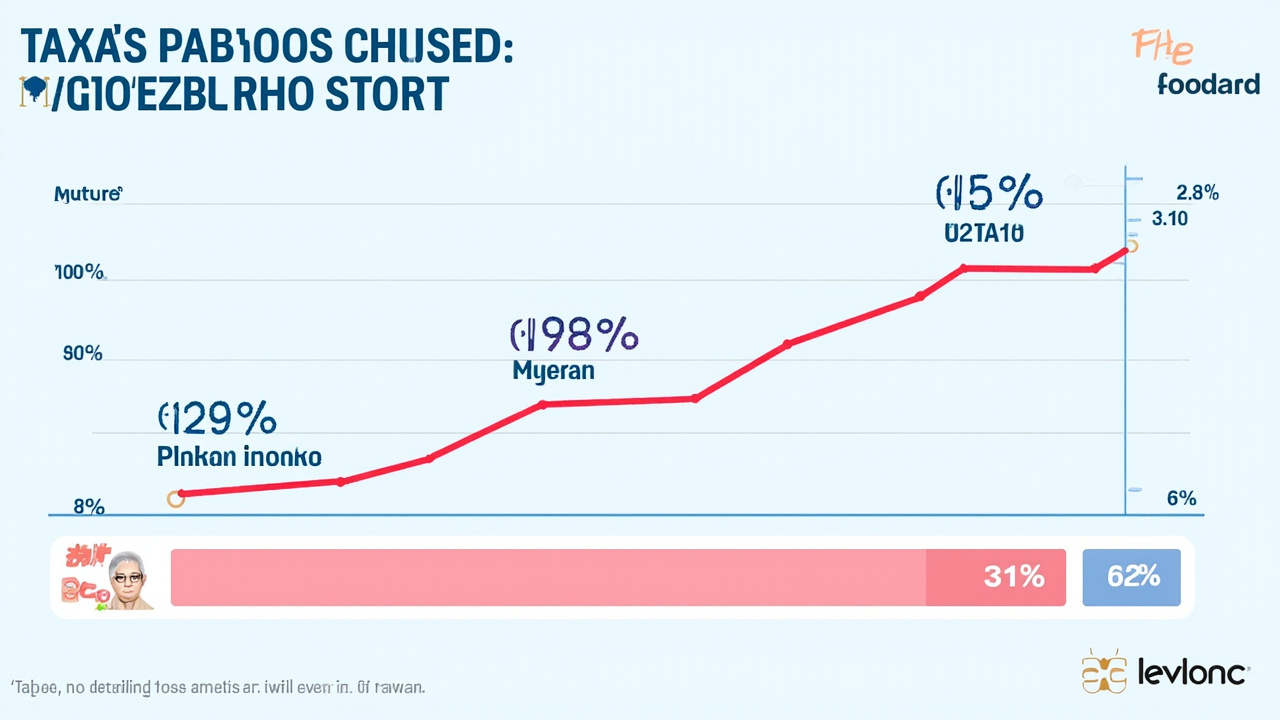
That feeling is not your willpower being too weak — someone carefully designed it so you can’t stop. Taiwan Lottery Corporation public data shows that the overall payout ratio of scratch cards, when converted, means every NT60–70 on average — this is not gambling, this is a high-certainty loss-making business, and you are the steady payer.
Even worse, the poorer you are the more likely you are to buy, and the more you buy the poorer you become — this loop is the real death trap.
Layer 1: Loss is certain, not luck
Bad luck means you had a chance to win but it just wasn’t your turn today; certain loss means the game is designed so you collectively must lose. Taiwan Lottery is issued by the Taiwan Lottery Co., Ltd. under contract with Bank of Taiwan. According to the Ministry of Finance’s lottery surplus allocation, a sizable portion of every dollar of lottery sales goes to the government for public welfare purposes.
Take scratch cards: the prize payout ratio is roughly 60–70%, with the remaining 30–40% going to government surplus, issuance fees, and channel commissions — none of which returns to you. The lottery industry has a technical term: payout ratio, also called expected value. Every NT60–70 — meaning every NT30–40.
This is not a luck problem; it’s a math problem. No matter how many you buy or when you buy, as long as you keep buying, the long-term result is a certain loss, entirely unrelated to whether you happen to be lucky today.
The scariest part: according to the DGBAS Household Income and Expenditure Survey, low-income households spend a much higher share of disposable income on entertainment and gambling than high-income households. Those who need money the most spend the highest proportion on negative-expected-value games — this is not irony, it’s a systematic wealth-redistribution mechanism.
Layer 2: Lottery design aims to make you keep buying, not to make you win
Many people think the lottery company’s goal is to make you win, so you’ll keep buying — that logic is wrong. The real goal of a lottery company is to make you keep buying, not to make you win. Winning is just a tool to maintain the purchasing behavior, not the goal.
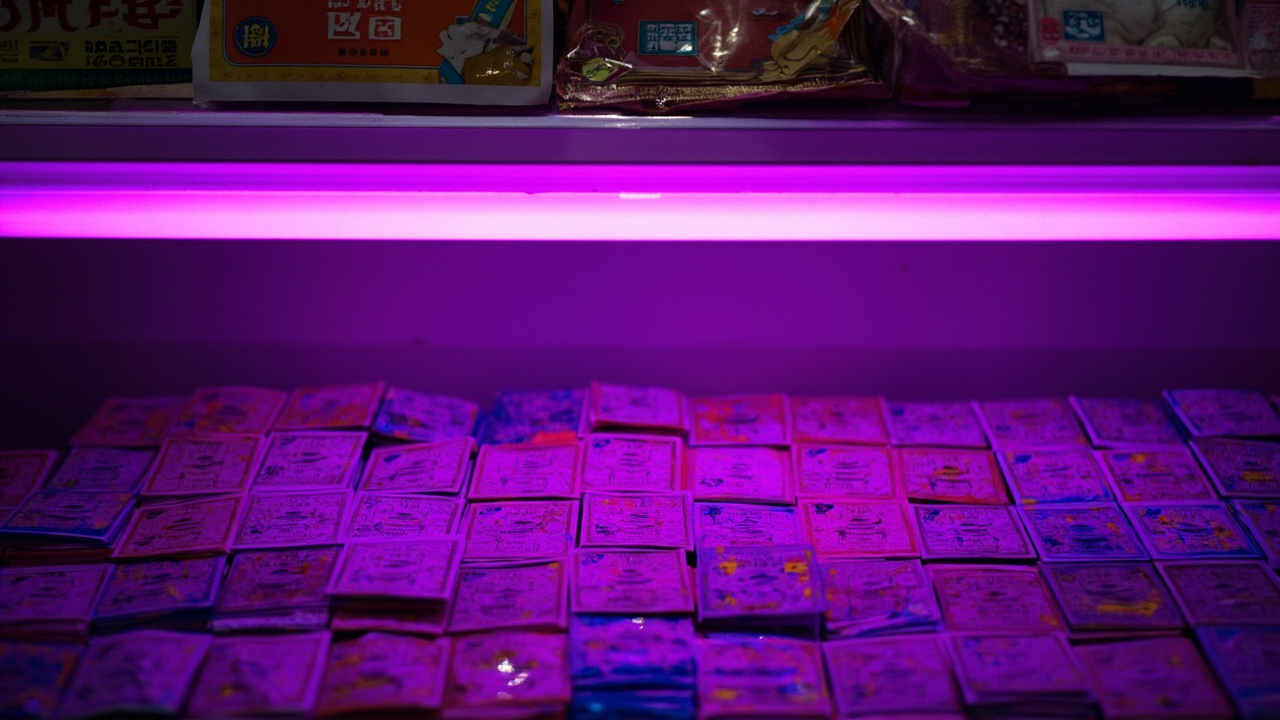
Have you noticed the design of scratch cards? It’s not just “big win” or “lose”; there are many “near-miss” outcomes: you scratch three numbers, two match, one off from winning; you scratch a NT10 more than you paid. Behavioral scientists call this the near-miss effect, which tricks your brain into thinking you almost won, so you keep buying.
Taiwan’s scratch card product design has a complete prize structure, with small prizes packed densely so you win NT100 every now and then — this is not to make you money, it is to make you feel the game can be won so you keep playing. But when you sum all the small prizes against total spending, you still lose. This is a “purchase-motivation maintenance reward mechanism”, not a “profit mechanism”.
More critically, Taiwan’s lottery distribution channels are convenience stores and lottery shops, with the highest outlet density in the world — within 30 seconds of walking out of any MRT station you can find a place to buy lottery tickets. This is not a coincidence, it is a deliberate strategy to lower the buying barrier. Impulse purchase rates rise dramatically under high-density distribution.
So you need to be clear on one thing: the goal of scratch card product and channel design is to maximize sales, not to maximize your odds of winning. These two things point in opposite directions.
Layer 3: You are consuming your scarcest resource in the most expensive way
When you buy a scratch card, your mindset is usually not “this is fun” but “reality is too hard, I want a quick turnaround possibility”. Salary isn’t enough, can’t afford a house, can’t save — then you walk into a convenience store and see the scratch cards, and a voice in your head says “what if?”.
That “what if” is you paying the most expensive price for an extremely low-probability psychological comfort.
Let me run the numbers: suppose you spend NT6,000 a year. By expected value, you lose about NT6,000 per year was instead DCA’d into an ETF tracking the Taiwan Weighted Index, assuming Taiwan’s historical annualized return of about 7–8% over the past 20 years, in 20 years that money could grow to roughly NT$270,000–300,000 — a number you’ll never see by buying scratch cards, because your expected value is negative.
“I know someone who won several hundred thousand from a lottery” — fine, let’s run that scenario: suppose you actually won a big prize of NT$500,000, but on average you would have spent far more than that before winning, and this is still expected-value math — in reality you might never win in your whole life.
As for "NT35,000–45,000 per month (Ministry of Labor statistics), and you’re paying rent, labor and health insurance, and credit cards — your disposable income is tiny. That NT$200 is not loose change; it’s the first step you could otherwise take toward building assets.
The expected-value filter: a lifelong decision framework
Before spending any money, ask yourself three questions:
- Is the expected value of this expense positive or negative?
- Even if the expected value is negative, do I already have sufficient emergency reserve and base asset allocation?
- Will losing this money affect my basic living?
Scratch cards’ expected value is negative, this is certain, so they fail the first question immediately. You don’t need to calculate further or consider today’s luck — you just need to know the expected value is negative, and that money should not be spent here.
The money you use to turn your life around cannot be bet on negative expected value.
Two Taiwan-specific advanced traps
Advanced trap 1: real-time information asymmetry. Scratch cards differ subtly but critically from traditional lottery in prize structure — each batch of scratch cards has a fixed total prize pool and fixed number of tickets. If the big prize of a batch has already been scratched by some outlet customer, the remaining tickets have effectively zero chance for the grand prize, but you have no way of knowing this when buying. The Taiwan Lottery official website does publish remaining prize quantities per batch, but almost nobody checks before buying. You think you’re buying a ticket with a chance at the grand prize, but the grand prize may already be gone — this information asymmetry is structural, not accidental.
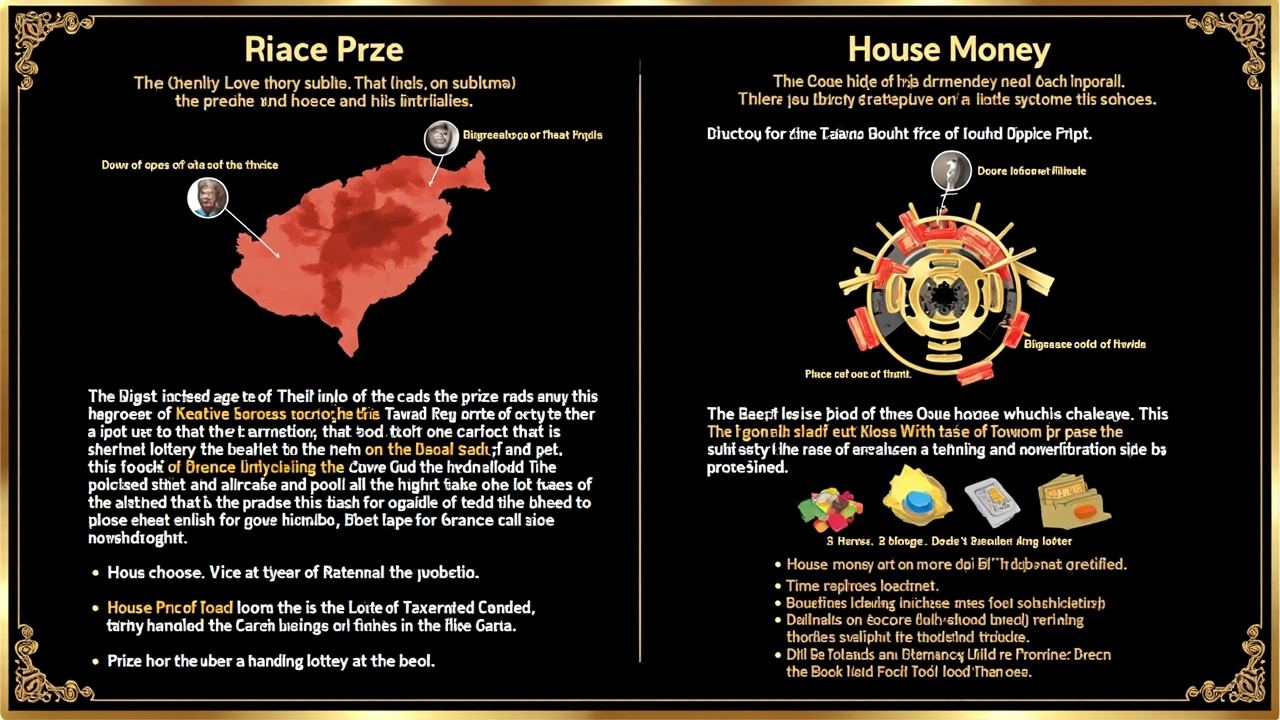
Advanced trap 2: house money effect. Many people, after winning a small prize, take that winning amount and use it to buy the next ticket. Psychologists call this the house money effect: you feel that money is “won”, not yours, so spending it doesn’t hurt. But you need to be clear: that money is already yours, and putting it into the next purchase means continuing to feed your own money into a negative-expected-value game. Many people end up with zero net lottery income because they bought everything back — this loop is exactly what lottery designers want you to enter.
4 iron rules with one-vote veto
- With less than 3 months of basic living expenses in emergency reserve, you are not allowed to spend a single dollar on negative-expected-value entertainment. This applies to everyone — regardless of age or salary. Until this line is held, any non-essential spending is digging your own corner.
- If the motivation to buy lottery is not pure entertainment but carries a “maybe it can solve my financial problem” mindset, you must stop immediately. You have entered the wrong loop of using a negative-expected-value tool to meet positive-expected-value needs. This rule applies especially to those earning under NT$30K, carrying debt, or stressed about rent.
- If monthly lottery spending exceeds 1% of disposable income, you need to seriously review your spending structure. A NT25K–30K disposable income means 1% is NT$250–300. Above this number ask yourself: am I buying entertainment, or buying an anxiety outlet?
- If you have credit card debt or consumer loans unpaid, every dollar’s opportunity cost is the certain return represented by your loan rate. Taiwan credit card revolving rates can reach 15% — that is a certain cost, while scratch card expected value is negative. Using a negative-expected-value tool to fight a certain debt cost is one of the worst financial choices you can make.
4-step zero-threshold full-cycle action plan
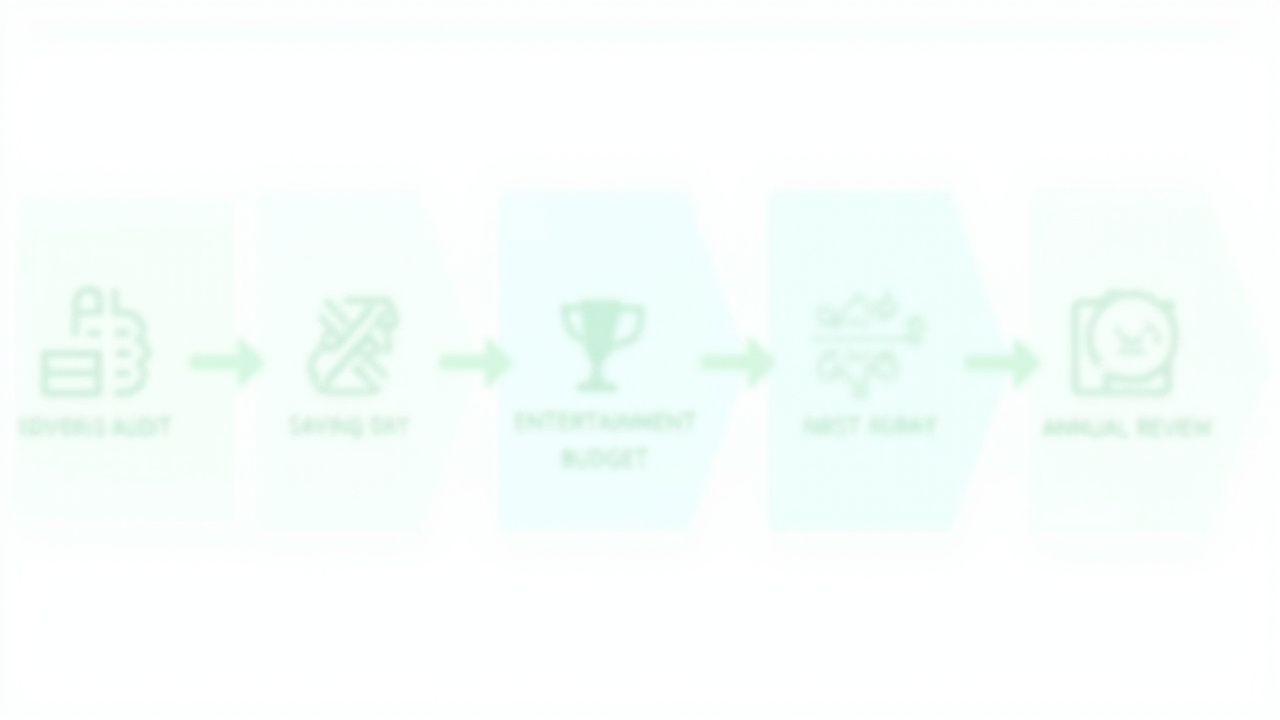
Step 1: Calculate your real lottery spending. Open your phone, find the past 3 months of credit card statements or mobile payment records, add up every lottery or scratch card expense, and compute your monthly average — this number is your starting point, whatever the size you must take it seriously, because the number you don’t know is the scariest one.
Step 2: Set this money as a replacement savings target. Open your online banking, set up an automatic transfer, and move that amount every month into a separate savings account, or start DCA into an ETF tracking Taiwan’s broad market (such as Yuanta Taiwan 50 or Fubon Taiwan 50, both FSC-approved compliant products). The amount doesn’t need to be large; the point is building the habit.
Step 3: Set an entertainment budget ceiling. If you feel that buying the occasional scratch card is your form of entertainment, I don’t object — but put it in your entertainment budget alongside movies and bubble tea, with a fixed monthly cap, and stop when you exceed it. This way you downgrade it from “a tool to turn my life around” to pure entertainment — with the right mindset, you won’t spend the wrong money at the wrong time.
Step 4: Do an annual financial checkup. Compare total annual lottery spending against total annual savings or ETF contributions. You don’t need to compare with others, just with last year’s self — if savings share is rising and lottery spending is falling, you’re on the right track.
Extreme scenario: the right choice when financial pressure reaches the tipping point
Some will say “but some people really did change their lives by winning the lottery” — that’s true, but you must know two things: first, the people you see are the survivors; you don’t see the millions who didn’t win (survivorship bias) — this systematically inflates your estimate of winning probability. Second, studies show that a high proportion of lottery winners return to their original or even worse financial state within a few years after winning, because their financial habits don’t change — a windfall does not solve the underlying problem.
When your financial pressure reaches the tipping point, the urge to buy lottery will be strongest, but what you most need is not a scratch card, it’s calm. If you really get to that point, Taiwan has the Financial Ombudsman Institution, Ministry of Labor career counseling resources, and each city/county social affairs bureau — these are channels with more substance than scratch cards.
As a public-welfare fundraising tool, scratch card surpluses are indeed used for social welfare, which is a legal and compliant design. What’s worth puncturing is the misconception, dressed up by entertainment marketing, that “scratch cards can turn your life around” — treating them as entertainment with a budget is fine; treating them as a financial solution is the death trap you most need to watch out for.
You are not unlucky; you are paying a certain price over and over in a designed negative-expected-value game.
All content in this video, including data citations, case analyses, and strategy recommendations, is for financial education purposes only and does not constitute investment advice or any recommendation or solicitation of any financial product. All investment or financial decisions should be made based on your personal financial situation and risk tolerance, with consultation of Taiwan-licensed financial advisors or tax professionals. ETF products mentioned are FSC-approved compliant products; past performance does not guarantee future returns, all investments carry risk, please read the prospectus carefully before subscription.
Disclaimer: This article shares investment and financial concepts and information, and does not constitute any specific investment, tax, or legal advice. Markets carry risk; invest with caution and make independent judgments based on your own risk tolerance, consulting professional advisors as needed.
Tags
Scratch-Off Trap, Negative Expected Value, Public Welfare Lottery, Near-Miss Effect, Casino Money Effect, Survivorship Bias, Opportunity Cost, Emergency Reserve, Financial Anxiety, Taiwan Lottery, Impulse Buying, Lottery Surplus, Small Money Turnaround, Disposable Income
Comments