Opening: 1991 Tokyo, the Elevator That Closed
Have you ever felt like this — you’re running as hard as you can, but the treadmill beneath your feet seems to be accelerating backwards? In 1991 in Tokyo, countless people were experiencing that suffocating feeling. Before that year, the Japanese vocabulary did not contain the word “failure”: a single piece of land in Ginza could buy the entire United States; ordinary office workers would wave NT$10,000 bills when hailing a cab home on the weekend.
But late one night that year, the elevator carrying everyone’s revenge-dream suddenly let out a screech of metal-on-metal, then the doors slowly closed in front of you. The bubble had burst. At first people thought it was a technical correction, but no one imagined this fever would last a full thirty years.
Chapter 1: When Everyone Rushes to the Same Safe Harbor, the Safe Harbor Becomes the Biggest Risk
After the bubble burst, Japanese society’s mindset flipped 180 degrees — people stopped talking about dreams and started chasing a single word obsessively: stability. Becoming a civil servant, joining a bank, getting into a major keiretsu became the only correct answer at the family dinner table.
Why? Because in a stock-only environment where internal competition intensifies while the wealth pie does not grow, the deepest fear in people’s hearts is no longer failing to make big money, but the disappearance of certainty. You’re not afraid of earning a few thousand less a month; you’re afraid that tomorrow morning, the address that pays your salary will have turned into ruins.
History’s cruelest irony is this: when everyone rushes to the same safe harbor, the safe harbor itself becomes the biggest risk.
Government finances ran in the red and civil-service positions shrank; the banking system struggled in a quagmire of bad debts, with mergers, layoffs, and reorganizations becoming daily routine. It turns out there was never a permanent ticket in this world — when the tides of the era recede, even the most solid giant ship may run aground first because its draft is too deep.
Chapter 2: The First Kind of Winner — “Instant Gratification” Cheap Consumption
When a person realizes that ten years of effort still won’t buy him a house, or that a lifetime of work can’t lift him across class lines, what does he do? He becomes extremely greedy for the present.
In finance we often talk about long-termism, but in an economic downcycle, long-termism is too luxurious for ordinary people. When the payback timeline for the future blurs, people’s patience for the future is worn down bit by bit. Tell me I’ll be financially free 30 years from now, I don’t buy it; but spend a few hundred yen now on a can of iced coffee — the refreshment and dopamine are ten for ten, completely within my control in this moment.
Japanese beverage giant Suntory is the master operator of this logic. During those lost thirty years, Suntory’s sales stayed rock-solid — it didn’t chase the tens of thousands or hundreds of thousands of yen ultra-luxury market. Instead, with extreme affordability, extreme convenience, and extreme addictiveness, it turned a few hundred yen of coffee and tea into a national daily ritual.
In an economic winter, selling “cheap happiness” is always more reliably profitable than selling “expensive dreams.”
Chapter 3: The Second Kind of Winner — Affordable High-Quality Chain Restaurants
The same logic gave rise to a golden age of affordable Japanese chain restaurants. Yoshinoya for beef bowls, Marugame Seimen for udon, Kura Sushi for conveyor-belt sushi — these brands did not treat their customers as a high-end crowd that needed to be educated. Instead, through industrialization, standardization, and extreme cost control, they turned what used to be an “occasional treat” into a “three times a week” everyday meal.
In the deflation era, consumers don’t stop spending; they want to spend every yen on “certain value for money.” You can get a steaming hot beef bowl for 350 yen — it doesn’t provide status, it provides real fullness and warmth. This kind of “small, certain happiness” outlasts any luxury brand across any cycle.
Chapter 4: The Third Kind of Winner — The Secondhand and Repair Economy
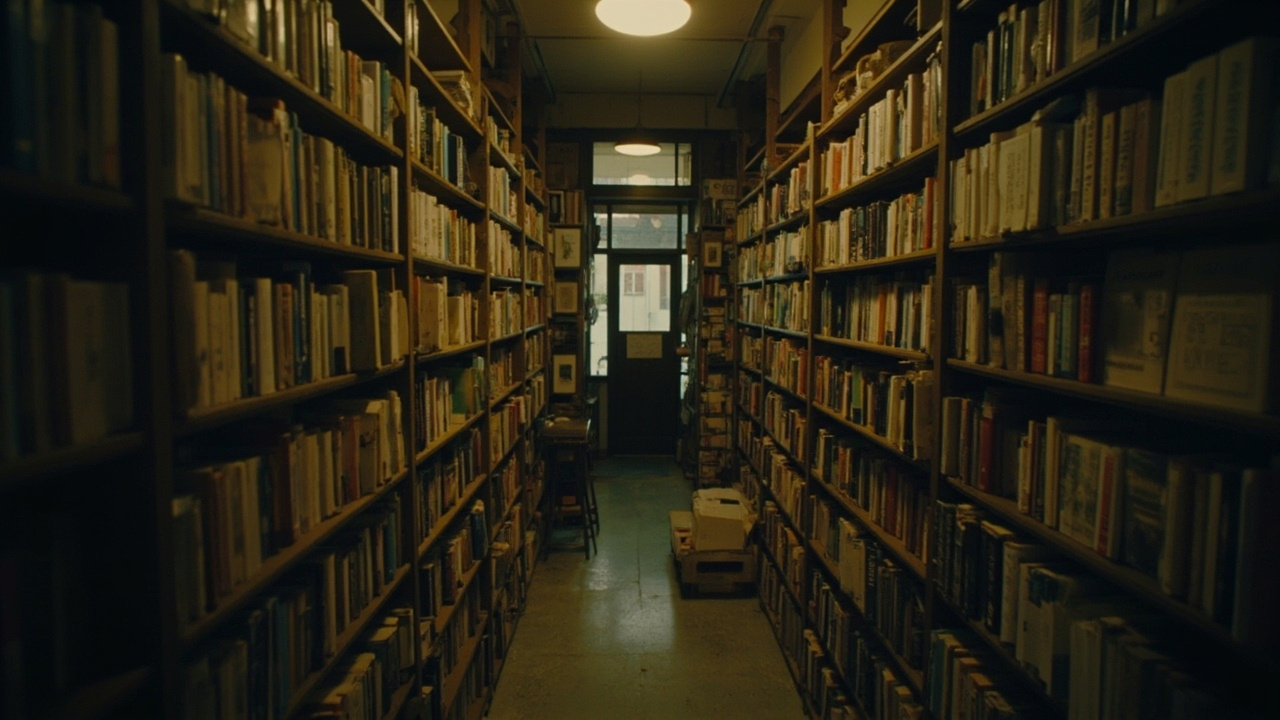
The massive physical assets left behind by the bubble era gave birth to a severely underestimated industry after the bust — the secondhand and repair economy.
From used cars, used clothes, used luxury goods, used furniture, the Japanese pushed “cherish-things culture” to its extreme. Book-Off, Daikokuya, Hard Off — these secondhand chain giants are the hidden champions that quietly grew through the lost thirty years. The worse the economy, the more rational consumers become; the more rational consumers become, the more the secondhand market thrives.
What does this mean for ordinary people? Instead of chasing new风口 (frontier trends), root yourself in those needs that “will always exist no matter how the economy does.” Repairing cars, houses, phones, doing secondhand trading, doing recycling — these unglamorous industries are the cash cows most likely to survive the winter.
Conclusion: The Survival Formula of a Cold Winter
Japan’s lost thirty years have given every ordinary person three precious lessons:
First, when the entire society falls into panic, the safest thing isn’t “the respectable big company,” but “the everyday need that keeps being needed.”
Second, consumer downgrade is not a crisis — it’s another business opportunity. If you can deliver certain happiness at the lowest threshold, you can outlast any cycle.
Third, instead of chasing风口, go deep into those unglamorous but must-have niche markets — their cumulative compounding is far more reliable than any explosive opportunity.
Next time you feel anxious hearing the words “economic winter,” please remember: a cold winter never wipes out everyone; it only eliminates those who refuse to change. The real winners are those willing to crouch down, get close to the ground, and look at real demand.
This article is a case analysis and perspective compilation for reference only; it does not constitute any investment advice. Past industry performance does not represent the future; please carefully assess your own situation and consult a qualified financial advisor if necessary.
Disclaimer: This article shares personal-finance concepts and compiled information. It does not constitute any specific investment, tax, or legal advice. Markets carry risk; invest carefully and use your own judgment based on your risk tolerance, and consult a qualified professional advisor.
Tags
日本失落三十年, 經濟寒冬, Consumption Downgrade, 即時滿足, 抗週期產業, 通貨緊縮, 投資策略, 經濟下行, 生存邏輯, 普通人翻身
Comments