TAG

#風險分散

3 articles · ← All tags

Wealth Awakening

60% of Taiwanese Have Stock Accounts, Only 10% Make Money: The Truth About Stocks in 36 Minutes

Taiwan has over 12 million brokerage accounts—roughly 60% of all adults have entered the market—yet fewer than 10% achieve stable long-term profits. The shared fate of the other 90% is not bad luck or wrong picks, but treating speculation as investing and using an investor's mindset to deceive themselves. This article breaks down the structural disadvantage of short-term trading, the overconfidence bias from behavioral finance amplified by Taiwan's 2016–2024 bull run, three underlying iron rules (compounding cost erosion, low-buy-high-sell losses, and the liquidity trap of strong capital), four questions to ask before every order, a complete four-step action plan, three real account scenarios (5-year and 20-year horizons), two Taiwan-specific high-level traps (dividend tax plus NHI supplemental premium, and ETF tracking error plus premium/discount), and an emergency plan for extreme market conditions. Pain point: even in Taiwan's strongest bull run, most retail investors left with less than they started. Promise: a tested framework that turns stock decisions into a discipline, not a feeling.

11 min
Wealth Awakening

S&P 500 vs Nasdaq 100: A 3x Retirement Gap and the Age-Based Golden Ratio

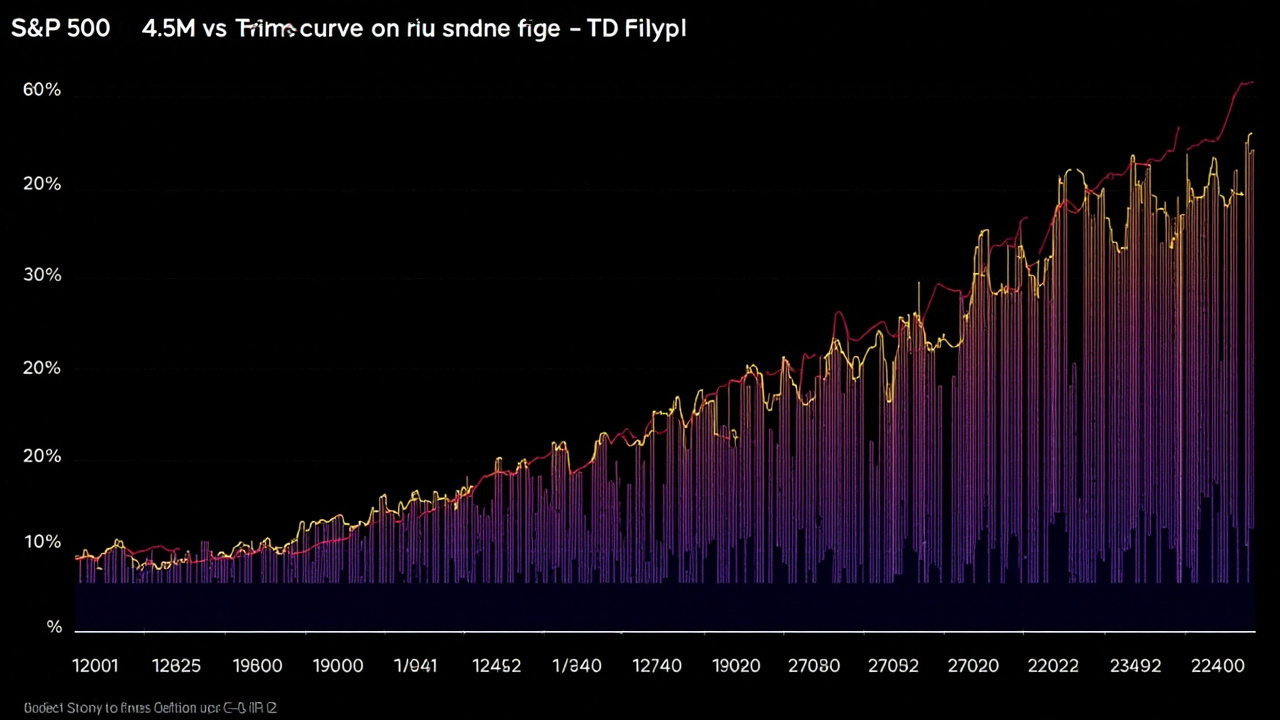
Same NT$6,000 monthly contribution, same 20 years: pick S&P 500 and you end at NT$4.5M, pick Nasdaq 100 and you reach NT$7M — a gap of over NT$2M. But the Nasdaq 100 dropped 83% in the 2000 dot-com bust and needed 15 years to recover, and dropped another 33% in 2022's single year. This article gives you 5底层 rules, an age-based stock-bond golden ratio, and the real criteria for picking an index — so you know how to allocate today. With NT$6,000 monthly DCA over 20 years, S&P 500's 9.8% annualized return produces about NT$4.5M while Nasdaq 100's 13–14% annualized return produces nearly NT$7M. But volatility on Nasdaq 100 runs 30–50% higher than S&P 500. The 2000 dot-com crash saw Nasdaq 100 down 83% with a 15-year recovery; S&P 500 fell 49% with a 7-year recovery. Includes 4 age bands (25–35, 35–50, 50–60, 60+) with concrete stock-bond-ETF allocations, plus a core-satellite framework to manage psychological tolerance. The biggest risk isn't picking the wrong index; it's refusing to adjust after picking wrong.

9 min
Wealth Awakening

Is Catching the Falling Knife the Fastest Way to Lose Everything? 4 Rules to Survive a Crash

I once lost my down payment during the 2020 pandemic crash before realizing that catching falling knives is the fastest way to financial ruin. This article uses the Jenga Tower Theory to break down why crashes are unpredictable, exposes how central banks inadvertently pile up dry timber, and walks you through 4 iron rules: control stock allocation, hold cash, diversify broadly, never panic-sell. Build your safe harbor before the storm arrives.

16 min