Trump Pauses the Iran Strike: The Real Decoder Behind TSMC and Oil Prices
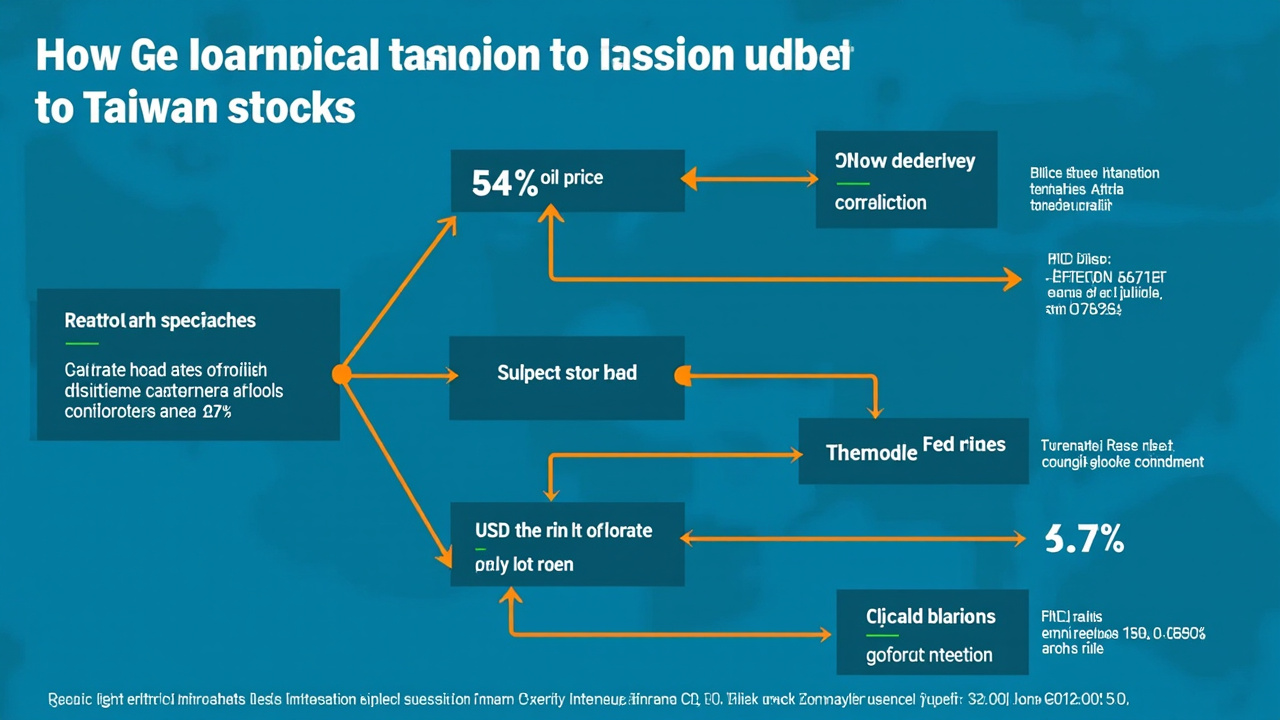
Trump paused the Iran strike before April 6, and behind it was not pacifism but political calculus: oil prices cannot rise, inflation cannot slip out of control again. Taiwanese retail investors see the news and their first reaction is "geopolitical risk is down, so I can enter the market"—but that logic treats short-term emotion as long-term positioning. This article breaks down the real two-layer transmission path from geopolitics to Taiwan stocks (oil to inflation to Fed to USD to foreign capital), three sets of account comparisons including a 10-year DCA gap of NT$300K to NT$400K and a 2008 crisis case study, three questions for reading foreign-capital positioning using TWSE's daily institutional data, a four-step action plan (foreign-investor flow check, resume DCA, after-tax return calculation, rebalancing trigger), and an emergency plan for extreme scenarios including a Strait of Hormuz blockade. Pain point: news-driven trading systematically buys high and sells low. Promise: build a decision framework anchored in positioning data, not headlines.