Search

Current filter #流動性 All Clear filters

6 articles found

Wealth Awakening

Sinking NT$3M Into S&P 500 for 15 Years: The Shocking Result That Silences Family Pressure

Still believe the old family script that renting equals paying your landlord's mortgage? This article runs a brutal 15-year simulation: drop a NT$3M down payment into the S&P 500 and watch it balloon to NT$20M in liquid wealth. Meanwhile, the buyer ends up stuck with a NT$25M paper fortune he can never touch. The hidden math behind liquidity, opportunity cost, and the mortgage trap everyone ignores.

11 min
Wealth Awakening

Are Retail Investors Always "Locked" by the Whales? Understand This Trap and Turn Things Around Immediately

You buy, the price goes sideways; you sell, it rallies. The whole market is bullish, yet the price won't move an inch — it's not bad luck, it's a structural game designed by the whales. This article breaks down the underlying logic of whale accumulation: why they need cheap sell orders, why retail investors pouring in actually breaks the rhythm, and how dispersed chips form selling-pressure mines. Understand this encirclement — from chip distribution to psychological warfare — and retail investors may finally shift from prey to hunter.

6 min
Wealth Awakening

Your 20s Are Not Your Golden Years—They Are the Most Dangerous Time of Your Life

You got your first paycheck at 22, and three months later your savings are still zero. People around you say your 20s are your golden years and you should charge ahead, but you charge for ten years and look back to find your savings are as thin as tissue paper. The truth is, your 20s are not your golden years. They are the financially most harvest-prone decade of your life. Every dollar you lock up, every savings policy you are persuaded to buy, and every investment you enter without an emergency reserve, carries a 3-to-5x future compounding cost behind it. This article uses a NT$3 million gap between starting at 25 versus starting at 35, the real cost of surrendering a savings insurance policy, and the legal tax break of voluntarily contributing 6% to your Labor Pension to give you a complete action checklist you can start using today. It also breaks down two Taiwan-specific high-leverage tax-saving tools, gives precise action guidance by life stage from fresh graduate to pre-retiree, and closes with four veto iron rules that apply to everyone in their 20s.

13 min
Wealth Awakening

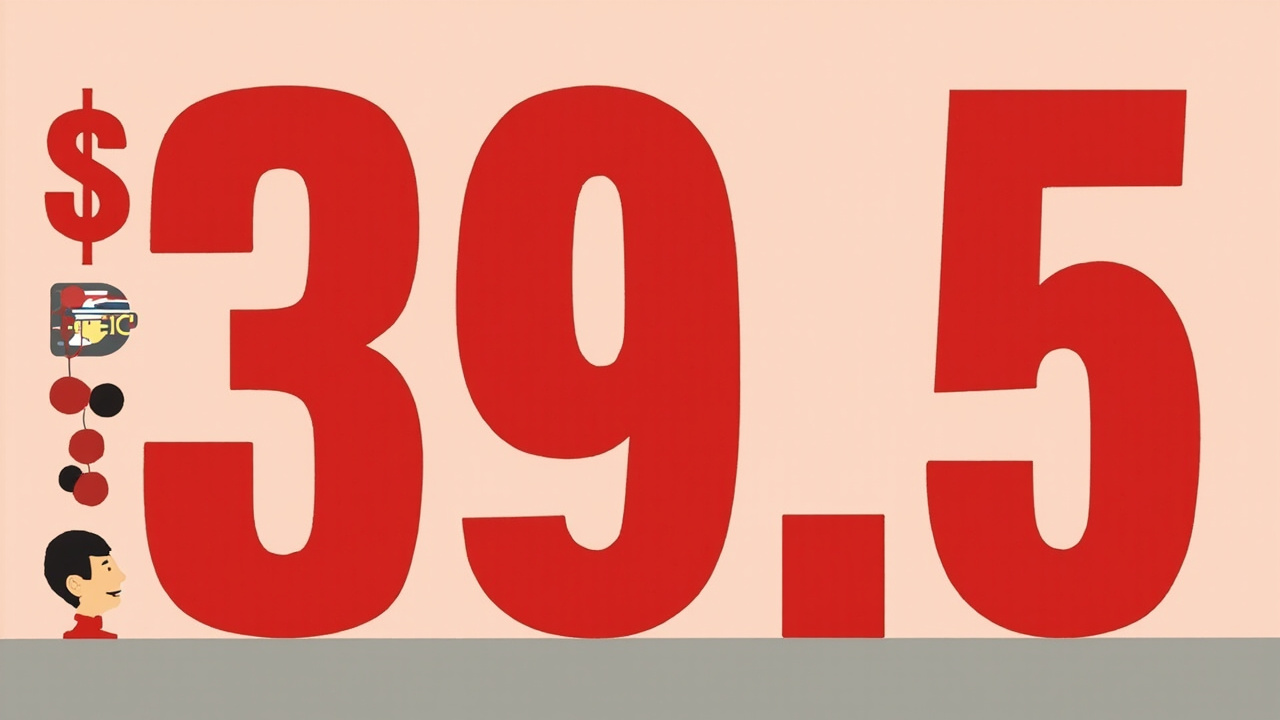
US National Debt at US$39.5 Trillion, Interest Exceeds US$1 Trillion: Can Treasuries Plus Bitcoin Be the Solution? A 50% Crash Is the Time to Position

The US national debt has broken through US$39.5 trillion, with annual interest payments alone exceeding US$1 trillion, which is more than Taiwan's entire annual GDP. That figure is directly linked to your US dollar time deposits, your US Treasury bond funds, and your Taiwan Labor Pension. This article breaks down three underlying rules you must understand: why a US debt crisis is not a default crisis but a repricing crisis, why the proposal to use Bitcoin as a strategic reserve has three fatal flaws even if the logic sounds appealing, and how global liquidity repricing transmits into your wallet through Taiwan's foreign reserves and the Labor Pension Fund. It also explains the three concrete moves to make when asset prices get cut in half, the right positioning strategies for Taiwan office workers, young investors, and retirees, and why cash is the slowest form of loss during a repricing cycle that you actually need to outrun.

9 min
Wealth Awakening

How Much Should You Have Saved at 25, 30, or 40? The Complete Taiwan Age Savings Standard

You open your phone, glance at your account balance, and quietly turn the screen off. How many times have you done this? The question Taiwanese people fear most is not how much the stock market has cost them, but how much their peers have saved compared to themselves. The truth is, account balance alone cannot tell you whether you have enough. What really matters is three things: your emergency reserve, your liquid assets, and the structure of your real monthly cash flow. This article uses median data from the Directorate-General of Budget, Accounting and Statistics (DGBAS) and the FSC (Financial Supervisory Commission), a 20-year comparison between saving NT$5,000 per month in a regular savings account versus an index fund, and a retirement gap estimate of NT$4.5M to NT$7.5M to give you precise savings targets at ages 25, 30, and 40. If you have been avoiding the numbers, today is the day you face them. Pain point: most people compare account balances, not the structure behind them. Promise: a precise, data-backed target for your current age with an action plan you can start today.


13 min