TAG

#那斯達克100

3 articles · ← All tags

Wealth Awakening

S&P 500 vs Nasdaq 100: A 3x Retirement Gap and the Age-Based Golden Ratio

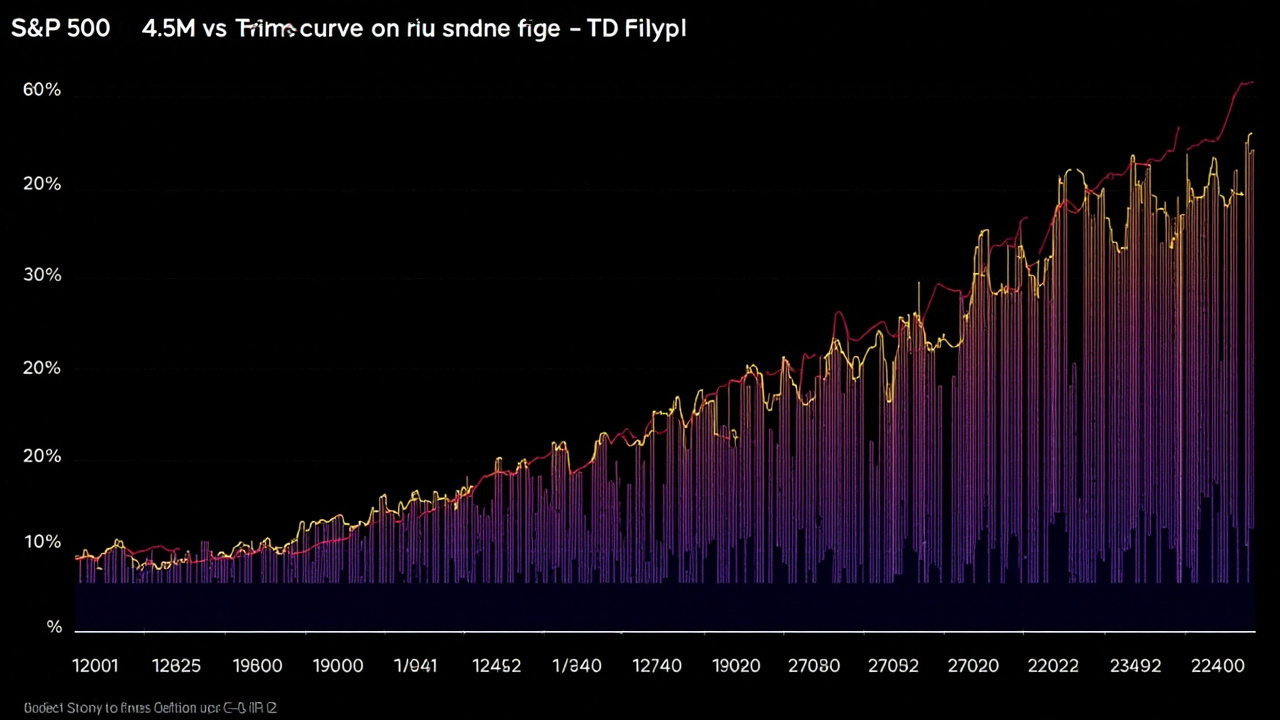
Same NT$6,000 monthly contribution, same 20 years: pick S&P 500 and you end at NT$4.5M, pick Nasdaq 100 and you reach NT$7M — a gap of over NT$2M. But the Nasdaq 100 dropped 83% in the 2000 dot-com bust and needed 15 years to recover, and dropped another 33% in 2022's single year. This article gives you 5底层 rules, an age-based stock-bond golden ratio, and the real criteria for picking an index — so you know how to allocate today. With NT$6,000 monthly DCA over 20 years, S&P 500's 9.8% annualized return produces about NT$4.5M while Nasdaq 100's 13–14% annualized return produces nearly NT$7M. But volatility on Nasdaq 100 runs 30–50% higher than S&P 500. The 2000 dot-com crash saw Nasdaq 100 down 83% with a 15-year recovery; S&P 500 fell 49% with a 7-year recovery. Includes 4 age bands (25–35, 35–50, 50–60, 60+) with concrete stock-bond-ETF allocations, plus a core-satellite framework to manage psychological tolerance. The biggest risk isn't picking the wrong index; it's refusing to adjust after picking wrong.
9 min
Wealth Awakening

The S&P 500 Hidden Loss Trap: Why DCA into US ETFs Isn't Risk-Free, and the Right Way to Retire Early

Using a Taiwan salary to DCA into S&P 500 ETFs looks like the world's strongest passive investment, but hides four loss traps that Taiwanese investors most often overlook. This article uses the 2008 financial crisis, the 2020 COVID crash, and the 2022 rate-hike cycle as examples to break down four blind spots — exchange rate, costs, timing, and emotion — and delivers the correct way for Taiwanese investors to buy US ETFs for early retirement, plus alternative routes. Many investors do not realize that from 2020 to 2021 USD/TWD dropped from 30 to 27.5, meaning a 50% S&P 500 gain translated to only about 30% in NTD. The Dalbar study shows average retail investors underperform their funds by 1.5% to 2% annually due to behavioral mistakes. Total fee differences between domestic and overseas S&P 500 ETFs can reach 0.3% to 0.8%, with another 0.1% to 0.2% hidden in FX hedging costs. Get a step-by-step guide covering tool selection, fixed DCA scheduling, FX management, and age-adjusted equity-bond allocation, and learn why psychological tolerance matters ten times more than index choice.

8 min
Wealth Awakening

Why Are You Still Losing Money on ETFs? 4 Fatal Mistakes That Make 20 Years Pointless

You are buying the S&P500 and the Nasdaq 100, but your account stays in the red. The problem is not the ETFs — it is the four operational mistakes Taiwanese investors make most often: turning dollar-cost averaging into a market-timing tool, ignoring the cost structure, ignoring currency, and panic-stopping contributions at the worst moment. Perfect execution over 20 years builds roughly NT$3.5 million; after mistakes it is only about NT$2.7 million — how exactly does a million NTD walk out of your pocket? This article walks through the arithmetic, exposes the fee and currency traps, and gives you four pre-written emotional rules that protect your compounding when discipline breaks down. If you are about to give up on ETFs, read this first — the answer is rarely to stop, and almost always to fix how you buy.

9 min