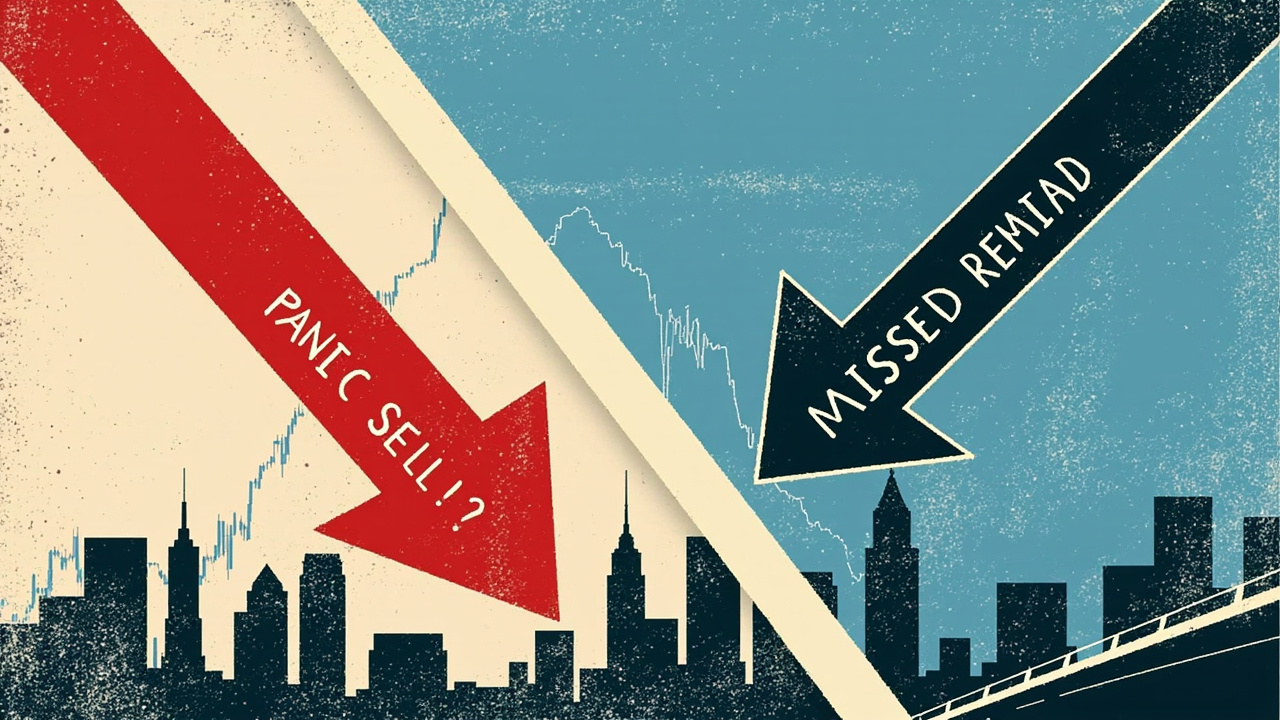
Age 40 Isn't Halftime — It's Your Last Real Financial Turnaround
Many 40-year-old office workers assume their salary has peaked, expenses bottomed out, and it's too late to save. But the real enemies were never low income — they are inflation quietly dissolving purchasing power, fee compounding devouring returns, and emergencies forcing you to exit at the worst possible moment. This article lays out three underlying rules (fight inflation, suppress fees, execute with discipline), pairs them with practical moves (Labor Pension voluntary contribution at 6%, annual rebalancing), and compares the real gap between parking NT$1 million in a time deposit versus phased investment in a Taiwan-listed low-cost index ETF (0050 or global equivalents) over 20 years. Using Taiwan's public data — weighted index total return annualized 7–9% from 2003–2023, SITCA's fee-and-holding-period research, and Ministry of Labor Labor Pension returns — the article shows that 0.5% versus 2% expense ratio over 20 years can carve out nearly NT$900,000 of retirement corpus. You will also see why Taiwan's three local blind spots catch 1st-year, 1-to-3-year, and 5-plus-year investors differently, and how 2008-style drawdowns of 50%+ require an emergency reserve cushion before any investing begins. The closing four-step plan can be executed today, before your last turnaround window closes.