
It’s 7:30 PM. You are sprawled on the sofa, the blue light of your phone screen on your face, half a bowl of braised pork rice from delivery still sitting there, and a Netflix show paused halfway through. Your finger mechanically scrolls up—TikTok, IG, Facebook, one loop after another. You tell yourself “I’m too tired, let me relax for a bit.” Then in the blink of an eye it’s 10:30 PM. You shower, lie in bed, scroll until midnight before falling asleep. The next morning your 7 AM alarm rings. You snooze, then jolt awake at 8 AM and rush out the door. On the MRT you pull out your phone and scroll into the office, clock in, and start a new day.
And then you wonder: why is the number on my passbook stuck between NT50,000? Why have the people around me—who don’t seem particularly smart—bought a house before turning 35? Why do I feel like I’m working hard every day, but I can’t see a future?
Let me tell you why—because you have no idea that what really decides your lifetime wealth tier is not the 8 hours at work. It’s what you do with those 3 hours after work.
What Are Your 3 After-Work Hours Worth?
Have you done the math? 22 working days a month, 264 days a year, 3 hours each is 792 hours. If you value that time at the basic wage of NT14,836.
But you feed those hours to your phone, to binge watching, to gaming. What do you get back? A more exhausted body the next day, more anxiety, savings you can never seem to build. Meanwhile, the wealthy? They take those 3 hours to do four things you would never think of, and 5 years later their net worth is ten times yours.
Taiwan’s education never taught you how to make money. It only taught you how to be an obedient employee. You were raised to study hard, get into a good university, find a stable job, and then save a salary every month to buy a house, get married, and have kids. But no one told you that script was a product of an era 50 years ago, and it no longer works.
Today’s housing prices are 10 times what your parents’ generation faced, but salaries have only grown 1.5 times. You save desperately for ten years and might only set aside NT10 million to NT$15 million. You can never catch up.
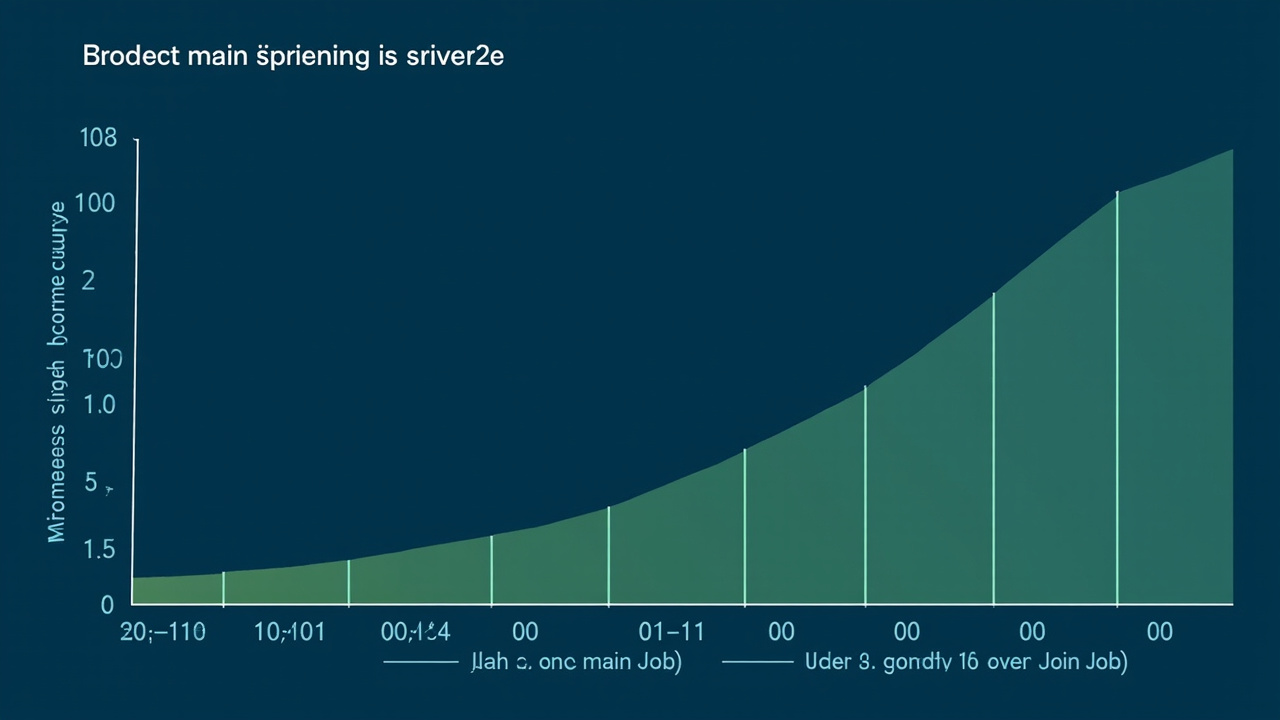
Rule 1: Time Value Grows Non-Linearly
The hour you spend at work has a fixed value, because you are trading time for money. Your boss pays you what they pay you. But the hour you have after work can have unlimited upside. You can use it to learn a new skill, and that skill may double your income in 5 years. You can use it to build a side business, and that side business may become your main income source in 3 years. You can use it to invest in your health, saving you NT$500,000 in medical bills over the next 10 years. You can also use it to study investing, so your money makes money for you.
But what if you spend it scrolling your phone? That hour has negative value—not zero, negative. Because you are not just failing to grow. You are actually going backwards. Your focus declines, your thinking ability deteriorates, your body gets worse, your anxiety increases. You think you are resting, but you are consuming yourself.
Taiwan’s wealthy understand this best. They know that working hours are not for making money; they are for accumulating resources and networks. The time that actually makes money is those 3 hours after work.
Rule 2: Your Time Is Being Monetized by Big Corporations
You know what’s most pathetic? It’s that you have 3 hours that could change your life, but you choose to feed them to big corporations.
You scroll TikTok, ByteDance monetizes your attention and sells your data to advertisers. You watch Netflix, a US company pockets your subscription fee. You game, game companies design every mechanic to get you to spend. You order delivery, the platform takes a 30% cut. You think you are enjoying life. Actually you are using your most precious time and money to feed someone else’s earnings report.
Meanwhile, what do the wealthy do after work? Everything they do feeds their own assets. They don’t skip entertainment; their entertainment carries an investment flavor—going to the gym is investing in health, attending a talk is investing in networks, reading a book is investing in knowledge, studying the market is investing in future income. Every minute is making them more valuable.
Rule 3: Passive Income Is the Only Way to Free Yourself From Labor
Your problem right now is not that you earn too little. It’s that 100% of your income comes from labor. The moment you stop working, your income drops to zero.
True financial freedom is not “earning a lot.” It is “being able to survive even when you don’t work.” That requires passive income—investment returns, royalties, rent, dividends, interest. These all have one thing in common: they keep coming in even while you sleep.
The only way to build passive income is to convert part of your labor income into assets while you still have labor income. Don’t wait until you’ve earned enough to start. Start today, and shift 10% to 20% of your monthly income into tools that can produce passive income.
The 4 Things Wealthy People Do After Work
Habit 1: Build a Side Hustle or Personal Brand
Not the kind of side hustle where you clock in for a part-time shift after work. It’s using your after-work hours to build an income source that can “keep running while you sleep.” Blogging, running a YouTube channel, creating online courses, offering freelance services—these all share one thing: you invest time upfront, then the returns compound.
Five years from now you’ll find your side-hustle income has likely surpassed your main salary. Meanwhile your coworkers are still complaining “why aren’t salaries going up.”

Habit 2: Read and Learn Financial Knowledge
Taiwan’s wealthy read an average of 20 to 30 books a year, not novels—finance, history, psychology, industry trends. They weren’t born investment pros. They got there by spending time after work learning.
If you spend 1 hour a day after work reading, that’s 365 hours a year. That is enough time to go from investing novice to intermediate investor. The key isn’t how much you read, it’s what you read—financial statement analysis, economics basics, behavioral finance, industry research.
Habit 3: Cultivate Networks and Build Personal Influence
Networks are the assets the poor look down on most and the rich value most. A good network can help you:
- Get early word on industry trends and job opportunities
- Find investors when you need capital
- Find partners and customers when you start a business
- Find a mentor when you’re in trouble
After work, do you scroll your phone, or do you go to a book club, an industry networking event? The gap 5 years from now will tell you the answer.
Habit 4: Invest in Your Health
Without health, the other three are meaningless. According to Ministry of Health and Welfare statistics, the share of chronic disease among Taiwanese adults aged 30 to 50 is rising year by year. Obesity, blood sugar, blood pressure—the three highs are getting younger. The NT500,000 in medical bills 5 years later.
When the wealthy invest in their health, they don’t buy expensive supplements. They work out 3 to 5 times a week on a fixed schedule, control their diet, and get regular checkups. None of this costs a lot of money. It requires discipline.
Concrete Actions You Can Start Today
Tonight: Audit This Week’s After-Work Hours
Open the screen time stats on your phone (iPhone: Settings > Screen Time; Android: Digital Wellbeing) and check how much time you spent on social media and entertainment apps this week. Then ask yourself: what % of that time was “feeding my assets” and what % was “feeding someone else’s earnings report”?
Starting Tomorrow: Reserve 90 Minutes After Work Every Day
Don’t scroll your phone, don’t binge shows, don’t game for these 90 minutes. Use them to do any one of the four habits above. It will hurt at first—you’ll constantly want to grab your phone—but after 21 days it becomes a habit, and after 90 days it becomes your competitive edge.
Starting This Week: Open a “Self-Investment” Account
Every month put 5% to 10% of your salary into this account. The money can only be used for: books, courses, gym, events, tools for your side hustle. Not consumption. Investment. A year from now you’ll find the “return” on this account is much higher than on your investment portfolio.
Concrete Recommendations by Salary Level
Below NT$30,000/month: handle survival first. The 3 after-work hours should be spent learning a skill that can get you a raise or a new job—coding, design, foreign languages, writing. The ROI on these skills is far higher than any financial instrument.
NT60,000/month: you already have basic survival covered. The 3 after-work hours should split as: 1 hour learning a new skill, 1 hour building your personal brand or side hustle, 1 hour exercise or reading.
NT$70,000+/month: you already have a certain economic foundation. The 3 after-work hours should focus on building passive income and networks. Leverage is highest at this stage.
What you choose to do after work decides your lifetime wealth tier. Not today, not tomorrow. But 5 years, 10 years from now, you’ll feel the weight of that choice very clearly.
Closing: How Will You Spend Tonight?
Your 8 hours at work decide your floor. Your 3 hours after work decide your ceiling. Your main job decides your floor. Your after-work hours decide your ceiling. But most people only see the main job and completely ignore the value of after-work hours, and then they’re stuck at that floor forever.
Tonight at 7:30 PM you’ll still be sprawled on the sofa. The difference is whether you pull out your phone to scroll TikTok, or open a book, an online course, the side business you are building. That choice, 5 years from now, will settle the account with you in millions of NT$.
This article is for financial education purposes only and does not constitute any investment advice. All investing carries risk. Past performance does not guarantee future returns. Before making any investment decision or career plan, please evaluate your own situation and consult relevant professionals.
Disclaimer: This article shares investment and financial concepts and compiled information. It does not constitute any specific investment advice, tax advice, or legal opinion. Markets carry risk; invest with caution. Please make independent judgments based on your own risk tolerance and consult professional advisors.
Tags
After-Hours, 40K Salary, Side Hustle, Skill Investment, Networking, Reading Habits, Passive Income, Self-Improvement, Financial Freedom, Income Structure, Time Compounding, Lifelong Learning
Comments