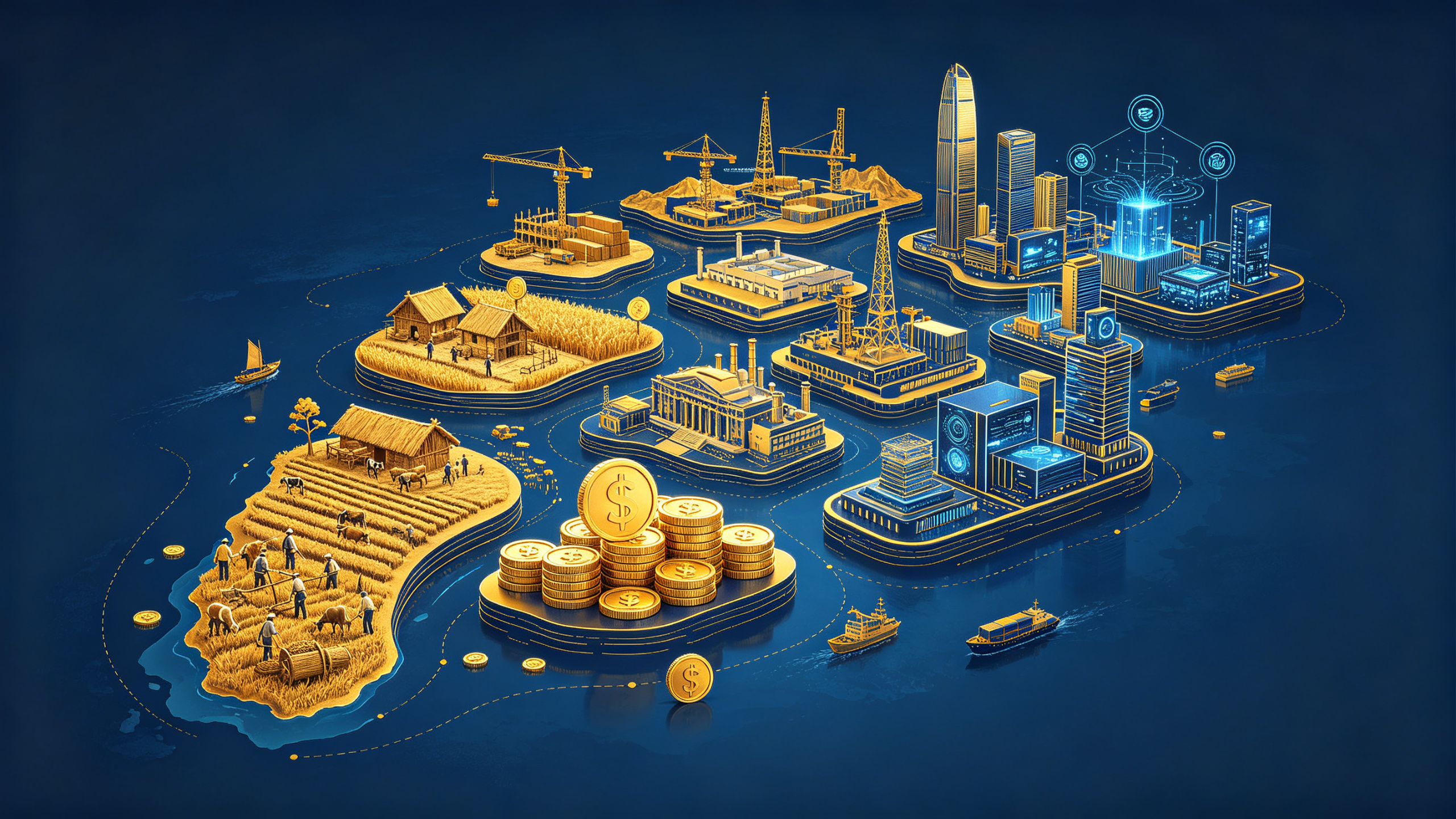
In the East Asian waters of our planet lies an island with an area of just 36,000 square kilometers.
Four hundred years ago, it was nothing more than a paradise for Austronesian ancestors, a vague marker on European nautical charts.
Today, this island produces over 60% of the world’s wafers, and nearly all the most advanced chips come from here. Its per capita GDP is about to surpass $40,000, making it one of the wealthiest economies in the world.
This is the story of Taiwan—a story of how a small island, squeezed in the cracks of history, has step by step carved out its own path of wealth accumulation.
Prehistory to Dutch-Spanish Era: The Forgotten Austronesian Pearl
About 30,000 years ago, the first humans set foot on this island.
They were Paleolithic people from the Asian continent who crossed the land bridge that existed back then to reach this land.
About 5,000 years ago, the ancestors of the Austronesian peoples arrived in Taiwan. They were great navigators who, setting out from here, spread across the entire Pacific and Indian Oceans, becoming one of the most widely distributed peoples in human history.
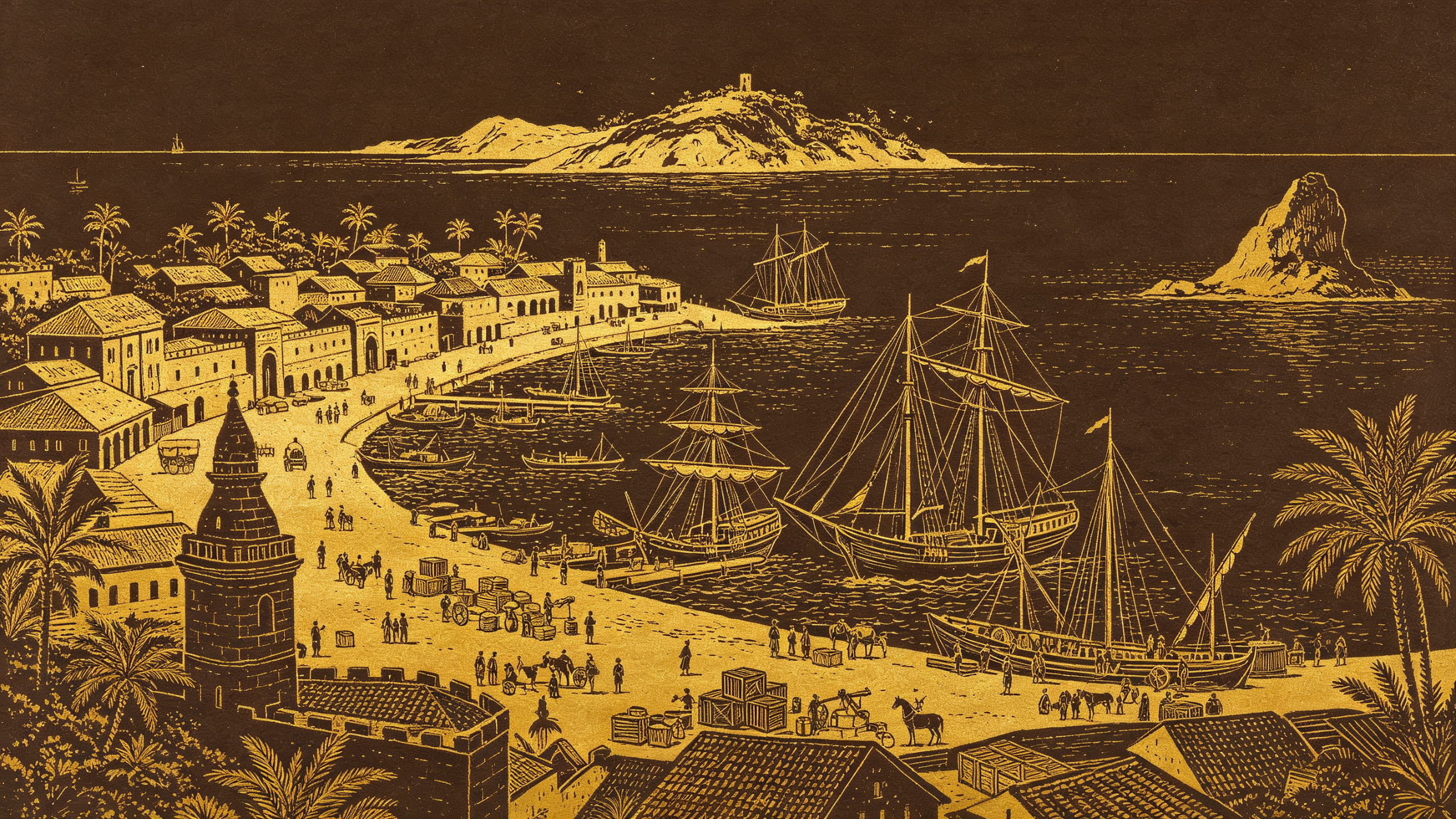
In 1624, the Dutch arrived in southern Taiwan.
They built Fort Zeelandia in Tayouan (today’s Anping, Tainan), beginning 38 years of colonial rule. Two years later, the Spanish also came north from the Philippines and occupied Keelung and Tamsui in northern Taiwan.
The Dutch used Taiwan as a transit hub for East Asian trade.
They bought raw silk and porcelain from mainland China, and sugar and deer hides from Taiwan, then resold them to Japan and Southeast Asia for handsome profits. This was the first time Taiwan was integrated into the global trading system.
In 1662, Koxinga (Zheng Chenggong) led his army to expel the Dutch and established the Kingdom of Tungning.
This was the first time a Han Chinese regime ruled Taiwan. The Zheng regime promoted military agricultural colonies, built Confucian temples, and developed education, laying the foundation of Han culture in Taiwan.
Qing and Japanese Rule: The Double-Edged Sword of Colonial Modernization
In 1683, Qing dynasty forces invaded Taiwan, ending the rule of the Zheng regime.
For the next 200-plus years, Taiwan became a prefecture of the Qing dynasty, later upgraded to a province. Large numbers of Han Chinese immigrants came to Taiwan from Fujian and Guangdong, clearing land and establishing settlements.
In the early period of Qing rule, the governance of Taiwan was relatively passive.
It was not until the Mudan Incident in 1874 that the Qing dynasty began to actively develop Taiwan—building railways, establishing telegraph lines, and developing mineral resources. During Liu Mingchuan’s tenure as Taiwan’s governor, the island’s modernization process accelerated significantly.
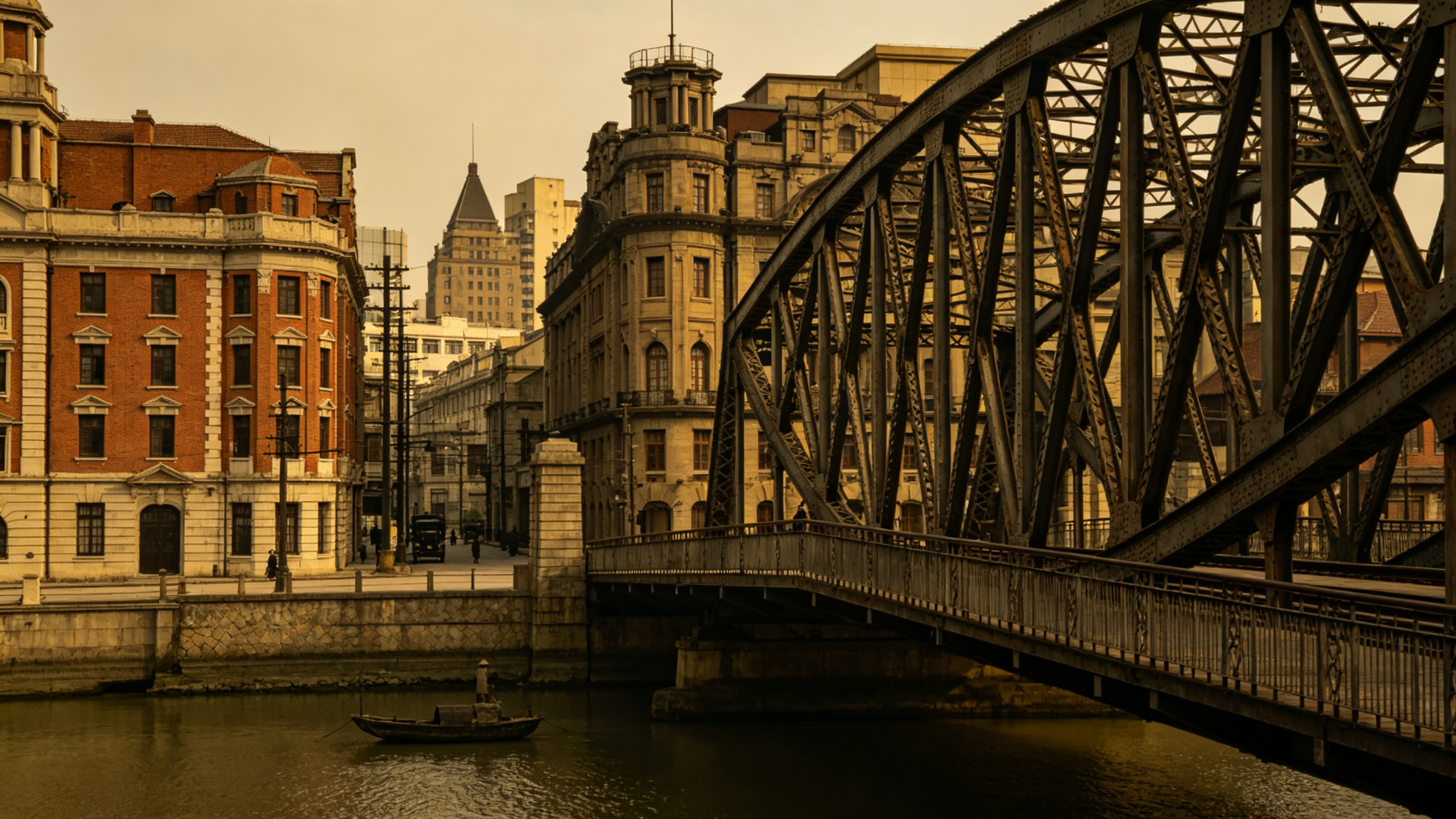
In 1895, after losing the First Sino-Japanese War, the Qing dynasty ceded Taiwan to Japan.
This was a major turning point in Taiwan’s history. Japan ruled Taiwan for 50 years, bringing modern infrastructure and institutions, but also implementing oppressive colonial rule.
The Japanese built the longitudinal railway, numerous reservoirs, and ports across Taiwan.
They established modern education, healthcare, and police systems. Taiwan’s agricultural productivity increased dramatically, with rice and sugar becoming major export commodities.
But the price of all this was heavy.
Taiwanese people became second-class citizens on their own land, forced to receive Japanization education, and even conscripted to the front lines during the war. Behind colonial modernization lay the sacrifice of national dignity.
In 1945, Japan surrendered after losing the war, and Taiwan ended 50 years of colonial rule.
But the fate of this island was far from settled.
Post-War Miracle: From Poverty to One of the Four Asian Tigers
In 1949, the Nationalist government relocated to Taiwan, bringing two million soldiers and civilians, along with large amounts of gold and cultural artifacts.
This was another upheaval in Taiwan’s history. In the early post-war years, Taiwan faced material shortages and severe inflation, and its economic situation was very difficult.
In the 1950s, Taiwan implemented land reform.
The 37.5% rent reduction, public land sales, and land-to-the-tiller policies broke the traditional landlord economy, giving farmers land and also accumulating capital for later industrialization.
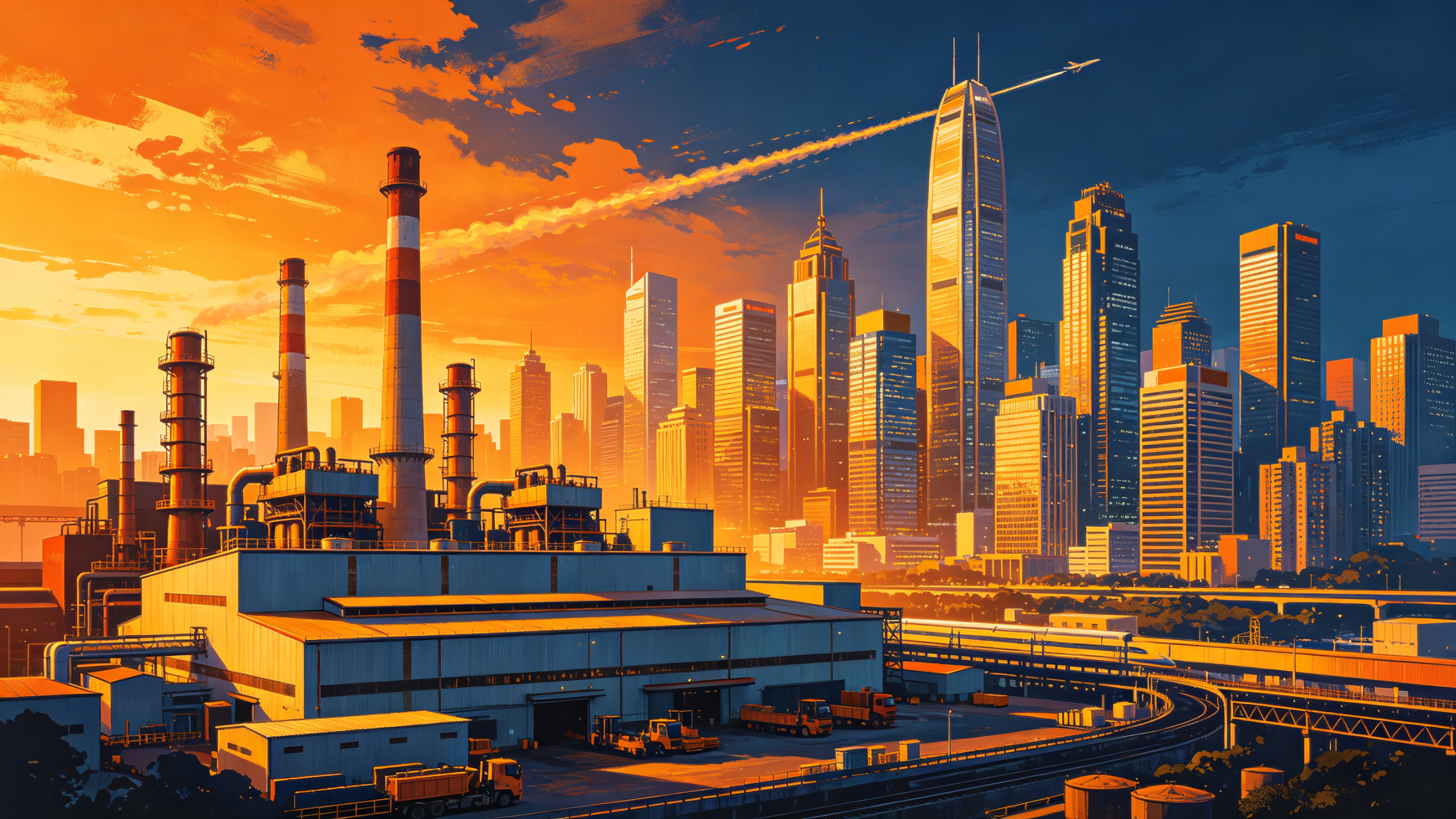
In the 1960s, Taiwan began shifting to an export-oriented economy.
The government established the Kaohsiung Export Processing Zone, attracting foreign investment and technology, and developing labor-intensive industries. Textiles, plastics, and electronics assembly industries developed rapidly, and Taiwan’s products began reaching the world.
In the 1970s, the first oil crisis hit.
Taiwan faced enormous economic pressure but also encountered opportunities for transformation. The government promoted the Ten Major Construction Projects—building highways, airports, ports, steel mills, and shipyards—laying the foundation for industrial upgrading.
In the 1980s, Taiwan’s economy took off.
The Hsinchu Science Park was established, and the electronics industry began to rise. Companies like Acer, Foxconn, and Delta Electronics started to emerge. Taiwan became one of the “Four Asian Tigers,” creating an economic miracle that drew worldwide attention.
In the 1990s, Taiwan completed its democratic transition.
The economy continued to develop, with stock and housing markets soaring. “Taiwan money up to your ankles” became the catchphrase of that era. But behind the prosperity, the seeds of later problems were also sown.
The Semiconductor Revolution: TSMC and the Silicon Shield Era
In 1987, Morris Chang founded Taiwan Semiconductor Manufacturing Company (TSMC) in the Hsinchu Science Park.
At the time, no one thought this company would reshape the entire semiconductor industry and become the “sacred mountain protecting the nation” of Taiwan’s economy.
TSMC pioneered the dedicated foundry model.
It didn’t design chips—it only manufactured them for customers. This model was questioned by many at the time but later proved to be an extremely successful business innovation.
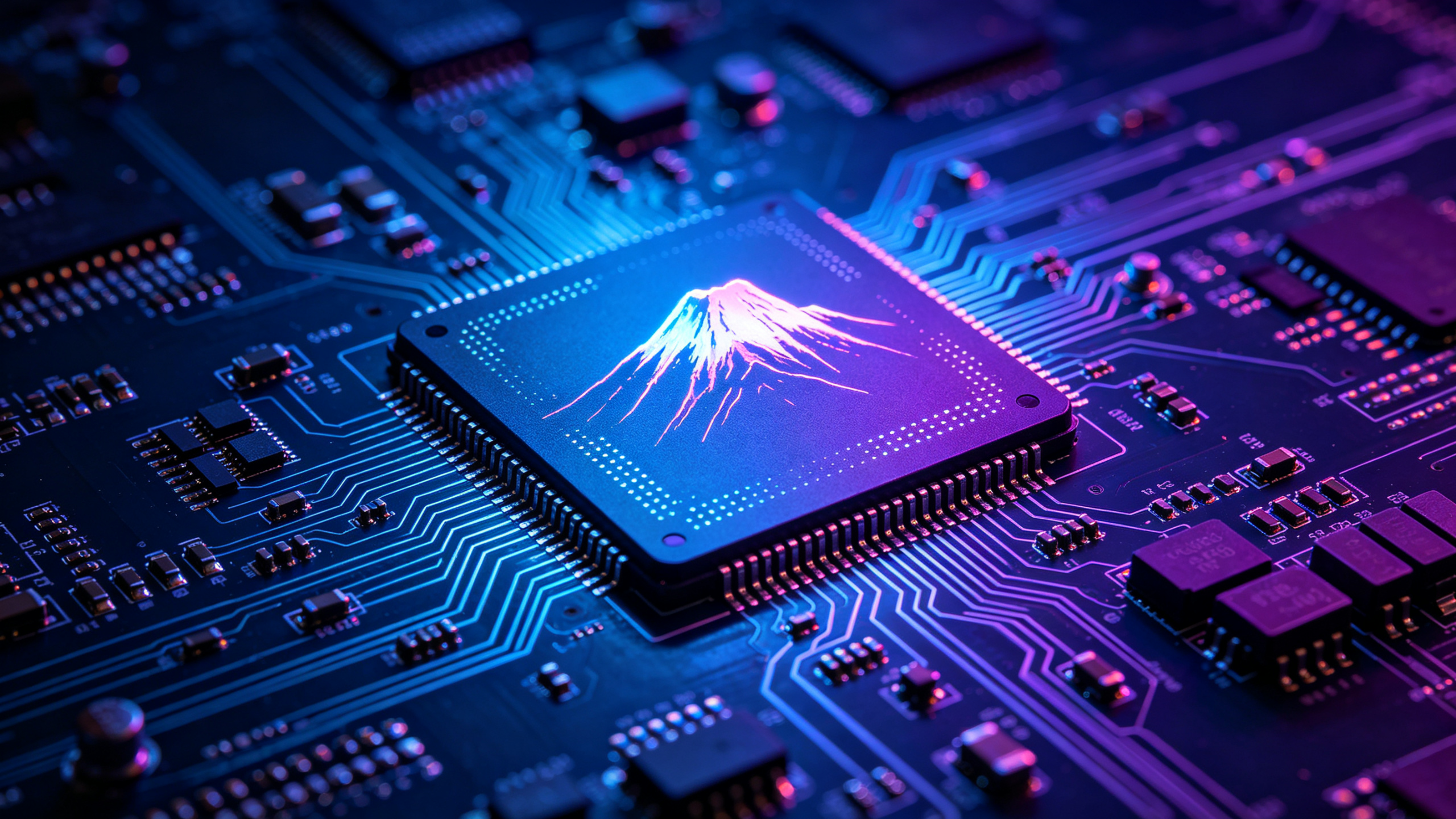
In the 1990s, the semiconductor industry began shifting to Taiwan.
Foundries like TSMC, UMC, and Powerchip were established one after another, and the upstream and downstream industries—equipment, materials, packaging, and testing—gradually matured. Taiwan gradually became an important base for the global semiconductor industry.
In the 2000s, the foundry war intensified.
TSMC gradually pulled ahead of its competitors with advanced process technology and stable quality. While Intel was still leading the way on Moore’s Law, TSMC was quietly catching up.
In the 2010s, the smartphone revolution erupted.
Chip orders from design companies like Apple, Qualcomm, and MediaTek flowed steadily to TSMC. TSMC’s market share climbed steadily, making it the world’s largest foundry.
In the 2020s, the AI revolution arrived.
Nvidia’s AI chips are almost all manufactured by TSMC. TSMC’s 3nm and 2nm processes lead the world, making it the only choice for the most advanced chips. Taiwan’s semiconductor industry has since earned the nickname “silicon shield.”
Today, TSMC alone contributes nearly 9% of Taiwan’s GDP.
The entire semiconductor industry accounts for over 40% of Taiwan’s exports. This island, once dominated by agriculture and light industry, has become the heart of the global technology industry.
Taiwan in 2026: New Challenges for the Resilient Island
Taiwan in 2026 stands at a new historical juncture.
The economic growth rate is expected to exceed 4%, and per capita GDP is about to surpass 660 billion.
The government’s “New Ten Major Construction Projects for AI” are underway.
Emerging industries like biotech, defense industry, and green energy hold great promise. The government hopes to build the next generation of competitive advantages, upgrading Taiwan from a semiconductor island to a smart island.

But behind the prosperity, challenges are also severe.
The low birth rate problem is getting worse, with the number of newborns continuously hitting new lows. The government has introduced a new population strategy, increasing childcare subsidies and improving childcare environments, but the effects remain to be seen.
High housing prices are also a pain point for young people.
The housing price-to-income ratio in Taipei and New Taipei exceeds 15 times, making buying a home a distant dream. Although the government has introduced multiple anti-speculation policies, housing prices remain stubbornly high.
Geopolitical risks are the Sword of Damocles hanging over Taiwan.
Cross-strait tensions are high, US-China confrontation is intensifying, and Taiwan is on the front lines of great power competition. Although the “silicon shield” provides some degree of strategic deterrence, the clouds of war have never truly dispersed.
However, Taiwan this island has always grown through challenges.
For four hundred years, it has experienced countless storms—colonialism, war, crisis, transformation. Each time, it has risen from the ruins and found new directions.
This is Taiwan’s resilience.
It doesn’t come from vast territory or a large population, but from the people of this land—hardworking, flexible, and never-giving-up Taiwanese people.
Conclusion
From Austronesian pearl to one of the Four Asian Tigers, from agricultural society to tech powerhouse.
Taiwan’s 400-year history of wealth rise is a story of how a small island found its place in the cracks of history. It tells us that resources are never the key to determining a place’s destiny—human will and creativity are.
Taiwan today still faces numerous challenges.
But as long as the people of this island maintain that resilience and innovative spirit, it will surely continue to write its own legend in the years to come.
What do you think about Taiwan’s future? Feel free to share your thoughts in the comments below.
This article is for educational and informational purposes only and does not constitute any investment advice. Investment involves risks. Please make decisions based on your own risk tolerance.
Comments