
You see Taiwan stocks drop hard, rush in to buy, and they keep falling, another NT$30K gone on paper. You think you’re picking up bargains at the bottom, but you don’t know this action is itself retail investors’ first death trap that keeps them from ever making money. Buying the dip sounds smart, but 90% of people either get trapped after buying or rush to exit on a tiny rebound, slashing the upside and then buying back at a higher price — this isn’t bargain hunting, this is paying tuition over and over to your human weaknesses.
Iron Rule 1: Without a system, buying the dip makes you an amateur
Many people’s first move in the stock market is to see the broad market drop and rush in thinking it’s an opportunity. The logic sounds fine, but the problem is you have no idea whether the price you’re buying at is the real bottom or just a mid-station on the way down.
The Taiwan Weighted Index corrected through all of 2022, falling from 18,000+ to around 12,600, a drop of over 30%. If you went in after a 10% drop thinking it was low enough, you’d still need to endure another 20% decline before your losses started shrinking — this is not theory, this is TWSE historical price action.
Retail investors’ biggest problem isn’t being afraid to buy; it’s not being able to hold after buying. According to SITCA statistics, the average holding period of Taiwan retail investors is far shorter than institutional investors; many rush to exit as soon as their position breaks even a little, handing all the real upside to those with patience.
The real meaning of Rule 1 is not “stop buying the dip”, it’s “entering on a dip without a clear plan, capital allocation, and mental preparation is amateur behavior” — this has nothing to do with whether you’re buying lower, it has to do with whether you have a system.
5 Taiwan-specific blind spots: pains unique to Taiwan retail investors
Blind spot 1: Treating DCA as a tool that automatically gets better
The core advantage of DCA is cost averaging, not guaranteed profits. But many Taiwan investors treat it as a “set it and forget it” magic potion, contributing and then not looking, not moving, not reviewing. By the time you notice a loss, you’ve often missed the best adjustment window.
Blind spot 2: Extreme dependence on news
Have you had this experience — a friend sends you a LINE message saying a stock is going up and you buy it, you see an analyst on a financial show say a sector is strong and you chase it, you read in the media that an industry has good prospects and you position in it. Then what? After buying, you find that the news was already priced in, and you entered as the last baton.
Taiwan’s institutional investors — foreign capital, investment trusts, proprietary desks — operate at a completely different information speed and depth than retail investors. Decisions you make based on media news often just provide liquidity for institutions to exit.
Blind spot 3: Ignoring cost structure
Transaction fees, securities transaction taxes (Taiwan stocks: 0.15% for day trades, 0.3% for general), management fees — these costs quietly chip away at your returns without you noticing. A retail investor who trades 5 times a month may see transaction costs eat 1% to 2% of annualized return.
Blind spot 4: Underestimated concentration risk in 0050
Many people buy 0050 thinking it’s “buying Taiwan stocks”, but TSMC alone accounts for over 45% of 0050’s top 5 holdings — you think you’re diversified, but you’ve actually put nearly half your money in one company. Geopolitical risk and semiconductor cycle reversals will directly show up in 0050’s performance.
Blind spot 5: The psychological threshold is far more important than technical analysis
Institutions look at liquidity and position adjustment; retail investors look at news and emotion. When you play the same game with the same technical analysis as institutions, you’ve already lost 80% — it’s not that technical analysis is useless, it’s that you don’t have institutional-grade discipline and risk control.
The 5 core controls for retail investors
From Rule 2 to Rule 5, all revolve around one core: retail investors’ way to make money is not who’s better at picking stocks, but who’s better at controlling themselves.
- Control the logic of entry timing — not by feel, but by system
- Control capital allocation ratio — staged entry, not all-in
- Control stop-loss execution discipline — write it down, stick it on your screen
- Control your reaction speed to news — wait half a beat, verify first
- Control your emotions — the hardest but most important
If any one of these five controls slips, your account will start bleeding.
The real arithmetic: retail vs pro
Suppose you have NT800K all at once, keep NT160K, you panic, and you exit near the bottom, locking in the loss.
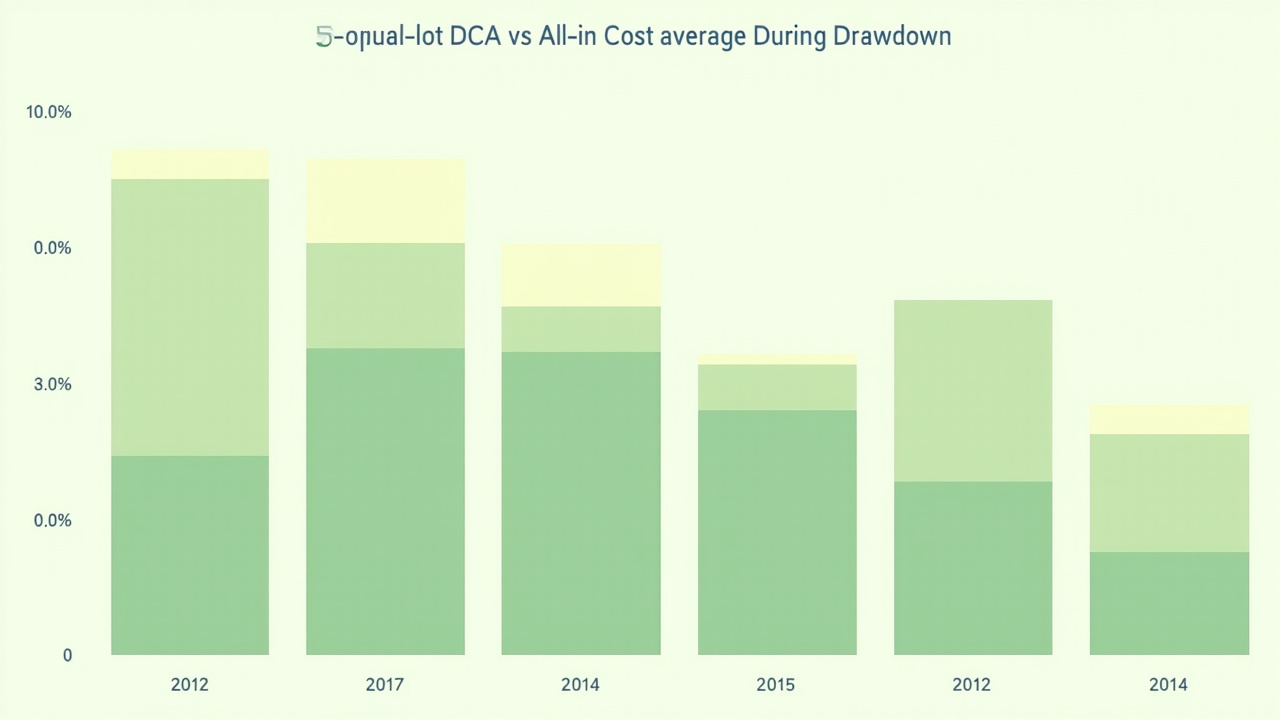
**Approach 2 — split the NT1M, same down market, your average cost is lower than the lump-sum person, and each portion has a clear entry basis — not by feel, but by plan.
This isn’t rocket science, this is the basic logic of capital management, but 90% of Taiwan retail investors have never seriously executed it.
3 questions to ask before entering the market
Before clicking buy, ask yourself three questions:
- What’s the basis for this entry? Is it news, feel, or a planned entry signal?
- If the market drops 20% right now, what will I do? Add, stop-loss, or freeze?
- How long can I leave this money untouched? If the answer is within two years, please don’t enter.
Anyone who can’t answer these three questions is paying the market when they enter.
Why few people follow the pros’ 9 iron rules
Because not one of these rules is about “how to make more money”; every one is about “how to not lose” or “how to survive longer”. Retail investors want stimulation; pros want stability. Retail investors chase return rates; pros chase the probability of long-term survival.
This isn’t chicken soup; it’s a statistical fact — most long-term profitable investors don’t have the highest return rates in the market, but they have the longest survival time. Those who last the longest in the market often have decent returns too.
This article is for financial education purposes only and does not constitute investment advice. All investments carry risk, past performance does not guarantee future returns, and actual outcomes may differ materially from the calculations in this article due to market changes and personal execution. Before making any investment decision, please evaluate your personal financial situation and risk tolerance, and consult Taiwan-licensed financial advisors or accountants.
Disclaimer: This article shares investment and financial concepts and information, and does not constitute any specific investment, tax, or legal advice. Markets carry risk; invest with caution and make independent judgments based on your own risk tolerance, consulting professional advisors as needed.
Tags
Stock Market Rules, Investment Discipline, Retail Money Loss, Buy the Dip, Entry Timing, Capital Management, Mental Toughness, Investment Trust, Institutions, 0050, Long-Term Investing
Comments