
Your salary stays flat, prices climb like a rocket, yet your account balance barely budges. Every time we share the concept of compounding on the channel, we get flooded with DMs—each one carrying the same mix of longing and helplessness: “I know compounding is amazing; Einstein called it the eighth wonder of the world. But after rent, food, and transport, I barely have anything left each month. One million feels as far away as outer space—can I really do it?”
I’ve heard that question at least a thousand times, and my answer never changes: Yes, you can—and you don’t need luck, insider tips, daily screen time, a NT$100,000 monthly paycheck, or technical-analysis skills. What you need is a clear, executable roadmap.
The hardest part of personal finance isn’t the lack of money—it’s the lack of a roadmap and direction. If you save without a target, it’s like walking through fog: no sense of progress, no sense of wind direction, two steps forward and you want to quit. But if you hold a map showing where you are now, what to do next, and what traps lie ahead, then even a slow walk can feel reassuring—and last for the long run.
1. Stage One: Stop the Bleeding—The First Step in Personal Finance Isn’t Learning to Invest
Why isn’t the first step learning to invest? Many people assume that mastering candlesticks, picking the right stocks, and timing entries will make them rich fast. But the reality is, if you have financial leaks, no investment strategy in the world will save you.
The very first step in personal finance is definitely not racing off to figure out which stock will rise—it’s stopping the bleeding. Why? Imagine you’re a small giant rolling a snowball across the desert—you want to grow the snowball, but your snowball is riddled with holes; before the blood can even start rolling, it all leaks out.
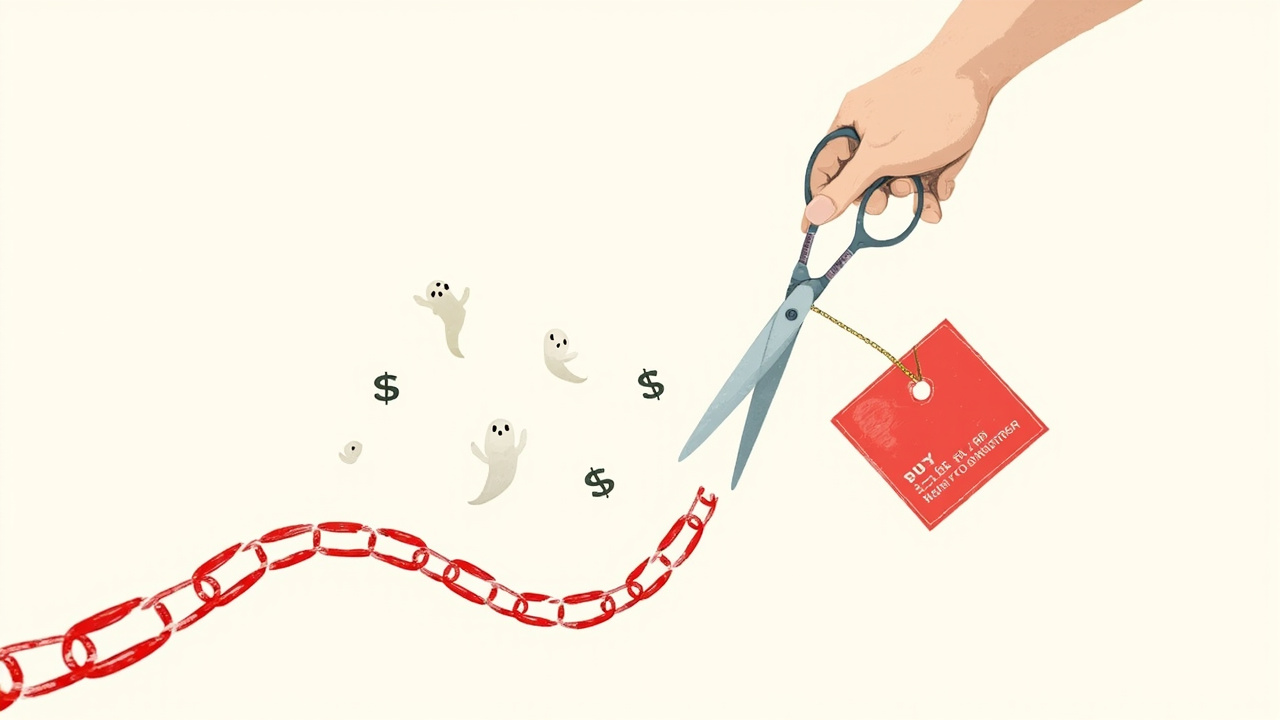
Right now, open your phone and check your Apple Store or Google Play subscriptions. You’ll find streaming services you haven’t opened in three months, silently charging you NT$300 a month; fitness apps you never used but have already paid for two years; mobile-game season passes you bought to pull one character card and then completely forgot existed. These are the vampires on your path to wealth.
You might think NT10,800 a year. Plucked into a compounding system at a 7% annual return, that NT$10,800 could grow into six figures over 30 years. You’re not losing small change—you’re losing a future seed principal. This isn’t fearmongering; it’s math. This is the horror of invisible expenses.
So the first step: steel yourself and cut them. Don’t say, “I might use it someday”—both of us know you won’t. This step isn’t about living like a monk; it’s about taking back control of your money. Today, open your subscription list, screenshot it, review it, delete it—keep only the services you will absolutely use this week.
2. Stage Two: Build the Pool—Get Maximum Productivity Out of What’s Left
After stopping the bleeding, we want to make the rest of your money work as hard as possible. Many people park their money in a regular bank checking account, earning just 0.1% a year while inflation quietly eats it backward. The core of this step is building a “three-layer account” system:
Layer One: Daily account (10% emergency reserve). Keep your regular debit-card functionality, park one to three months of living expenses here to handle small, unexpected spending.
Layer Two: Goal account (40% medium- and short-term goals). For goals you’ll fund within the next one to three years—travel, weddings, further education. The key here is high liquidity but not so easy that you tap it on impulse—think digital accounts with withdrawal limits or short-term time deposits.
Layer Three: Long-term growth account (50% long-term compounding). Money in this layer must not be touched until you press the “deploy into the market” button. It has one job: wait and accumulate enough principal so compounding can work for you.
This “three-layer account” system sounds simple, but its power lies in separating the budget for “me today” from the budget for “me tomorrow.” When you watch the long-term account’s number climb steadily every month, you’ll feel compounding gathering momentum—and that motivates you to keep going more than any hot-stock tip ever could.

3. Stage Three: Roll the Snowball—The Power of NT$3,000 a Month Over 30 Years
After you’ve stopped the bleeding and built the pool, comes the real “investing.” But the kind of investing we’re talking about here is not picking stocks, not day-trading, not margin trading—it’s rolling your well-tended water into the cheapest, broadest market ETFs to grow your snowball.
Why ETFs? Because an ETF lets you “buy the entire market” in 30 seconds—no need to research individual stocks, no need to stare at screens, no need to bear the risk of picking the wrong name. For an ordinary person who can only save NT$3,000 a month, ETFs are the only tool that can turn a snowball into a snow mountain over 30 years.
Let’s do the real math. Suppose you invest NT3.63 million.** The principal you personally contributed is NT3,000 × 12 × 30), **but the market earned an extra NT2.55 million is the miracle of compounding.

If 30 years sounds too long, look at the 10-year version: NT520,000; **after 20 years about NT520,000 to NT$1.56 million you only added 10 years, but the amount tripled. This is the non-linear power of time inside compounding.
Conclusion: One Million Isn’t a Dream—It’s a Path You Can Walk
Going from zero to one million was never about one lucky tip, an inheritance, or a startup exit—it’s about a disciplined, executable path you can follow even if you only have NT$3,000 a month to spare. Stop the bleeding, build the pool, then roll the snowball—three stages that look deceptively simple, yet 90% of people can’t stick with them, because they always want to skip the first two stages and jump straight into “investing.”
But the real winners all build the first two stages on solid ground, because they know investing without principal is like filling a leaking bucket. One million isn’t a dream; it’s a road you walk out one disciplined step at a time. Start today—from the moment you open your subscription list.
This article shares general personal-finance concepts and does not constitute any investment advice. ETF investing, deposit rates, and returns across asset classes fluctuate constantly; please make independent judgments based on your own risk tolerance and consult a qualified professional financial advisor when necessary. Past performance does not guarantee future results.
Disclaimer: This article shares investment and financial concepts and reference information. It does not constitute any specific investment, tax, or legal advice. Markets involve risk; invest with caution. Please make independent judgments based on your own risk tolerance and consult a professional advisor.
Tags
Compounding Effect, 0到100萬, Saving Methods, 訂閱斷捨離, Emergency Reserve, 高息帳戶, ETF Investing, 普通人翻身, Financial Freedom, 自動儲蓄, 預算分配, Investing Beginners
Comments