
February 2026 Report — Four-Leg Operation: Stable Rent, $2,934 in the Month
💡 Reading time: ~8 minutes | Series: Monthly Performance Review #2
Monthly scorecard
| Metric | Value |
|---|---|
| Trades | 4 (includes 2 carried over from January + 2 new) |
| Realized P&L this month | +$2,934 USD |
| Win rate | 100% (4/4) |
| Underlyings | 3× GOOG, 1× NVDA |
| Cumulative P&L (incl. January) | +$6,648 |
Trade-by-trade recap
February’s signature: mixing fast and slow
This month I used two cadences — 2-day flash trades and 39-day mid-term holds:
| # | Underlying | Strike | Holding days | Premium in | Cost to close | Net P&L | ROI |
|---|---|---|---|---|---|---|---|
| 4 | GOOG SP | $320 | 2 days | $930 | $150 | +$780 | 0.8% |
| 5 | GOOG SP | $310 | 39 days | $2,550 | $1,755 | +$795 | 0.9% |
| 6 | NVDA SP | $165 | 39 days | $1,410 | $51 | +$1,359 | 2.7% |
Trade #4: GOOG Sell Put $320 — 2-day flash
This was a “side dish” trade. Opened 2/4, closed 2/6, just 2 days held.
Premium $3.10/share, closed at $0.50/share, net $2.60/share.
Why only 2 days? The $320 strike was very close to the prevailing GOOG price (~$322), so the risk was high. My strategy: “quick in-and-out, harvest short-term Theta + IV drop.”
Conclusion: short-dated trades can be a side dish, but never the main course. The risk/reward isn’t as good as mid-term holds.
Trades #5 & #6: 39-day mid-term dual hold
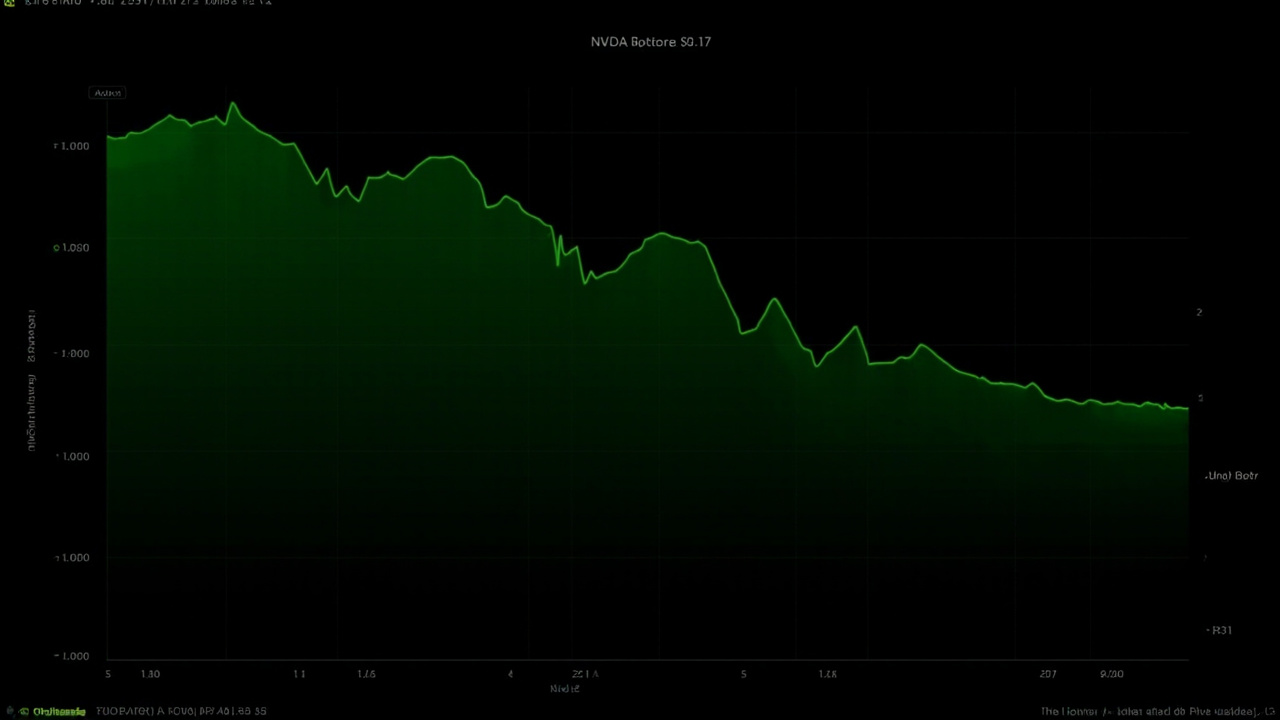
These were February’s main events — GOOG SP $310 and NVDA SP $165, both opened 2/6 and closed 3/17.
NVDA SP $165 deserves special attention:
Opening premium: $4.70/share
Closing premium: $0.17/share
Theta ate: ($4.70 - $0.17) / $4.70 = 96.4% of the value
In 39 days, Theta wiped 96% of this option’s value. Closing cost only $51 to buy back 3 contracts — practically free.
That’s the power of “right strike + enough time.”
February strategy lessons
Lesson 1: Mixing fast and slow is a good approach
- Flash trades (1–5 days): best for sudden IV spikes where you want to harvest quickly. Higher risk, but the time exposure is short.
- Mid-term holds (30–45 days): the workhorse strategy. Lets Theta do its thing.
My ideal mix: 80% mid-term + 20% flash.
Lesson 2: Low-strike NVDA’s Theta decay is gorgeous
NVDA $165, ~10.8% below the stock, decayed to near-zero after 39 days.
Compare GOOG $310 at ~3.7% below the stock — after 39 days it still had $5.85 of value (31% decay).
The wider the safety buffer, the more complete the Theta decay. Once again, this validates the rule: “don’t pick the strike too close.”
Lesson 3: The mindset shift from two consecutive positive months
January +$3,714, February +$2,934. Two months total +$6,648.
This number started giving me a “system feeling” — that options trading wasn’t luck, it was a repeatable method.
In hindsight, this is also where danger started. Because a “system feeling” easily morphs into “overconfidence” — and I paid a painful tuition bill for that in May.
February cash flow
Start: ~$313,714
Net profit this month: +$2,934
End: ~$316,648
Monthly return: +0.9%
Cumulative return: +2.1%
📌 Little Otter’s February note: The feeling of steady rent is wonderful — so wonderful it makes you forget risk exists. The next post covers March–April, the “best” stretch of my options career, with two full-premium expiries for $4,500. But remember, the weather is always the sunniest just before the storm.
Disclaimer: This article is a personal trading experience share, not investment advice.
Comments