
In the early hours of Thursday morning (Taiwan time), a new name is about to take center stage at the Federal Reserve.
Christopher Waller — a Fed Governor long associated with a dovish policy stance — is set to deliver his most high-profile public address since assuming his current role. Currency traders, bond fund managers, and futures desks around the world are waiting on every word. What he says — and how he says it — could reprice the entire yield curve.
For most retail investors, “Fed official gives speech” sounds like dry policy news. But veterans know better: a Fed official’s debut address is one of the market’s best opportunities to recalibrate expectations. This article breaks down the 3 key signals Waller’s “debut” may send about Fed policy direction — and what you should do about it.
I. Who Is Waller? Understanding His Policy DNA

To decode Waller’s speech, you first need to understand his policy instincts.
Christopher Waller has served as a Fed Governor since 2020, with an academic background rooted in labor market dynamics and inflation expectations. Within the Fed, he has consistently leaned dovish: favoring early guidance toward rate cuts when inflation shows clear downward momentum, rather than waiting until the last possible moment.
This contrasts with former Chair Powell’s “data-dependent, keep-options-open” style. Powell habitually preserves maximum policy flexibility and avoids explicit forward guidance. Waller, by contrast, has historically been more willing to signal directional intent ahead of FOMC meetings.
That’s precisely why this “debut” matters so much. In a policy transition period, a Fed official’s first major speech typically defines his communication framework for the next several FOMC meetings. Markets will parse his word choices, tone, and framing to piece together the likely interest rate path over the next 6 to 12 months.
II. How Markets Decode a Central Bank Speech
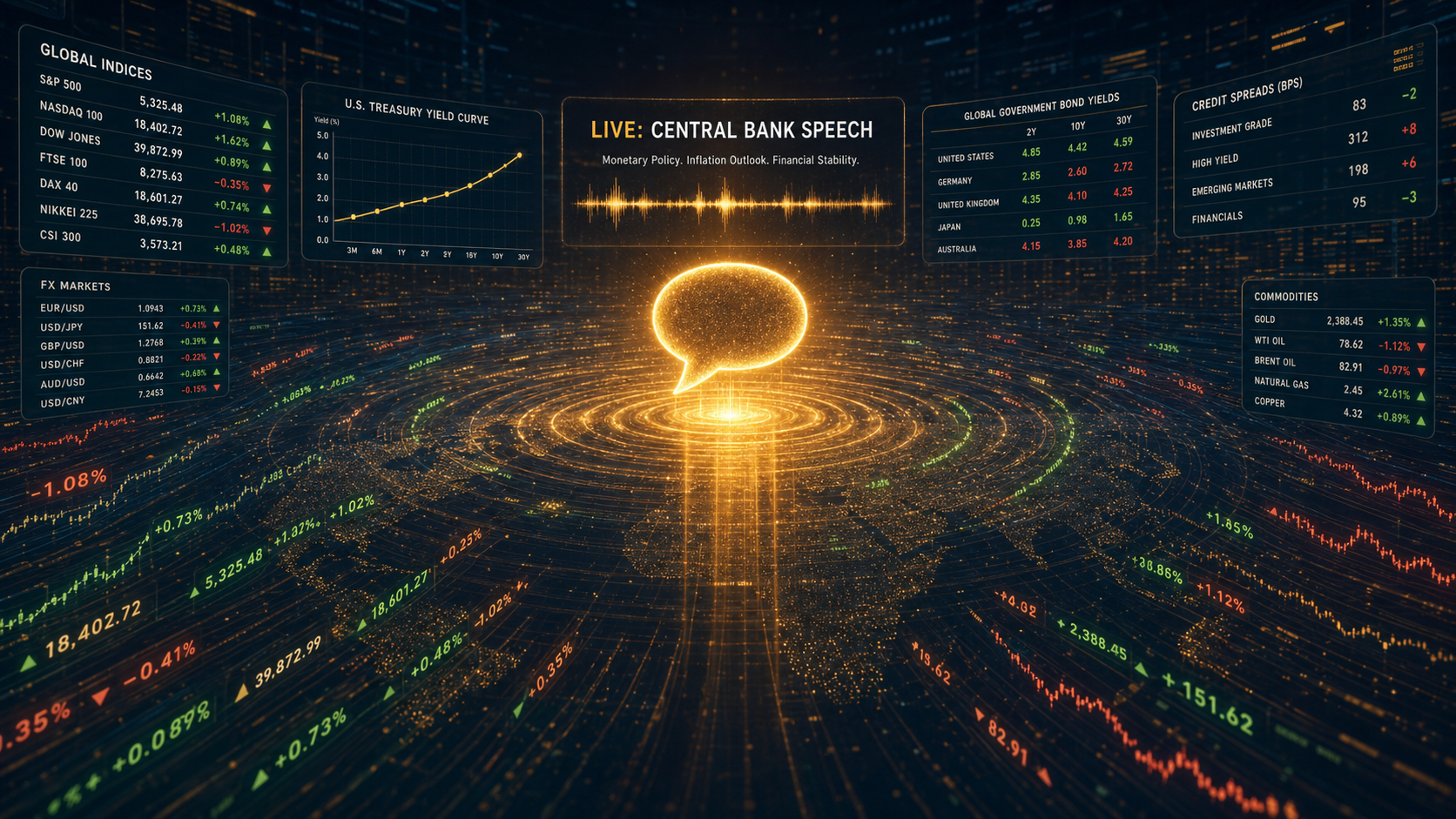
A Fed speech is not a press release — it is a precision-engineered forward guidance system, where every phrase carries policy intent.
Decoding a central banker’s speech operates on three levels:
Level 1: Key Phrase Comparison If Waller uses “at the appropriate time,” rate cuts remain distant. If he shifts to “fairly close” or “before too long,” the timeline is compressing.
Level 2: Inflation Description Tone A shift from “more progress needed” to “approaching our target” will move the entire yield curve within minutes of the speech concluding.
Level 3: Assessment of the Labor Market The U.S. labor market remains firm in 2026, but recent payrolls data has shown softening. If Waller begins describing “two-sided risks” to employment, it signals the Fed is rebalancing its focus from pure inflation-fighting toward protecting jobs — a key precursor to the start of a rate-cutting cycle.
In short, the most important thing about this speech isn’t what he concludes, but how he says it.
III. Three Scenarios for Policy Direction
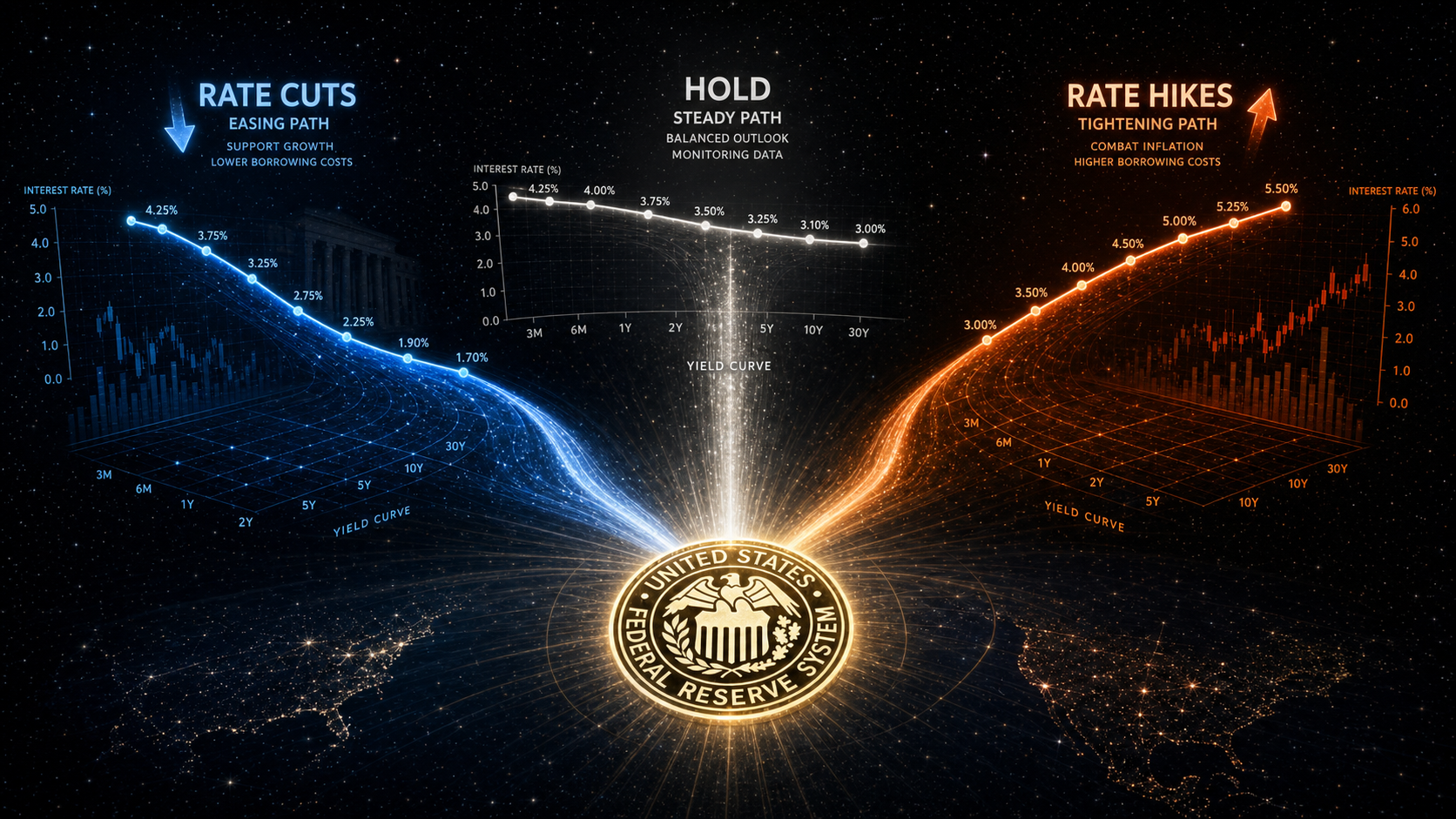
Based on the signals Waller may send, markets face three very different paths:
Scenario 1: Dovish Debut (Highest Probability) Waller delivers a speech consistent with his historical stance — acknowledging significant inflation progress, a normalizing labor market, and room for cuts within 2026. Market reaction: weaker USD, equity support, 2-year Treasury yields move lower, gold edges up.
What this means for investors: a “buy the news” setup, though note that some dovish expectations may already be priced in.
Scenario 2: Cautiously Neutral (Second Most Likely) Waller’s language is more measured than expected — he acknowledges uncertainty in the inflation path without ruling out cuts this year. A classic “neither confirm nor deny” approach. Markets react with brief volatility before stabilizing.
What this means for investors: continue to wait. Hold back dry powder for a clearer signal from the next FOMC meeting.
Scenario 3: Hawkish Surprise (Lower Probability, Highest Impact) Waller unexpectedly signals that inflation is proving more stubborn than anticipated, and suggests rates may need to stay elevated for longer. This triggers a sharp equity selloff and a spike in yields.
What this means for investors: this is the scenario where pre-set stop-losses matter most. Holders of high-multiple tech stocks and long-duration bonds face the greatest risk in this scenario.
IV. How Should Investors Position Now?

Here is a practical framework for navigating this high-information-density event:
Rule 1: Listen first, act second — never front-run
Markets almost always overreact immediately after a Fed official speaks. The first 15-minute reaction is frequently reversed. Wait 30 to 60 minutes for the dust to settle and confirm whether a real trend is forming before acting.
Rule 2: Watch the yield curve, not the stock ticker
Waller’s speech directly impacts bond markets; equity effects are secondary. Watch the 2-year and 10-year Treasury yields in real time. A falling 2-year yield means rate-cut expectations are building; a rising one signals the opposite.
Rule 3: If Scenario 3 hits, execute your pre-set stops
If Waller turns unexpectedly hawkish, market reaction will outpace your decision-making. Setting stops before the event is true risk management — thinking “should I stop out?” after the fact is already too late.
Central bank personnel changes are never just political news. Every new official’s first major speech is the market’s first chance to understand them — and the smart investor’s window to build an edge by reading the signals before consensus forms.
Waller debuts early Thursday morning. Are you ready?
This article is for educational and informational purposes only and does not constitute investment advice. Financial markets carry significant risk. Please assess your own risk tolerance and consult a qualified financial advisor before making any investment decisions.
Comments