
You work hard, yet when you open your banking app the balance never moves. You blame the economy, your salary, or the cost of living — but the real culprit usually hides in the spending you do every day without even noticing.
Most people can’t save money not because they don’t earn enough, but because their money keeps leaking out through invisible holes they never bothered to patch. This article sorts the most common, easiest-to-overlook expenses into five categories and opens them up one by one. This is not preachy finger-wagging about enduring pain; it’s a manual for redirecting the flow of money back where it belongs.
1. A New Car: The Fastest-Depreciating “Asset”
Walk into a showroom. Under the lights the new car gleams, you sit down and smell that new-car scent, your heart races, and you want to take photos, share them, and tell the world “I made it.”
But here’s what you have to know: the moment that car leaves the showroom and actually hits the road, its value starts falling. This isn’t about picking the wrong brand, and it isn’t because you forgot the maintenance schedule — the “new car” category simply has a steep depreciation curve. Within a year the drop becomes noticeable; after three years, the gap between the used price and what you paid can be enough to shock you.
Suppose you buy a new car for a little over NT$1 million. A few years later the resale price drops so far below the original that you feel it in your gut — this is extremely common. And to make it worse, most people don’t pay cash; they finance. An asset that loses value fast, paid for with interest — that math is something few people actually work through.
Of course some will say, “Safety matters.” Safety does matter, but “safety” and “must buy new” are two different things. Many three-year-old cars have already absorbed most of their depreciation, are usually far more affordable, and are still within the factory warranty, with a complete service record and solid condition. Comparing the same model, do you buy a three-year-old version for a much lower price, or a brand-new one for over NT$1 million? The difference isn’t about preference; it’s about where you put that delta.
If that delta doesn’t disappear into depreciation but instead stays in your investment account, your wealth account, over the long run it can turn into a very real gap. You don’t need to chase crazy returns; the question is whether the money stays put and starts compounding options for you.
2. Subscriptions: The “Warm Water” You Pay a Little for Every Month
Streaming platforms, cloud storage, software subscriptions — each monthly deduction is small, but the total is shocking.
The problem is never “NT$199 a month”; it’s that you’ve completely forgotten it exists. The brain barely registers small, repeated, auto-deducted purchases — and that is exactly why the subscription economy was designed. When you actually scan your bank account, you often discover a dozen subscriptions you “thought you were using” have been quietly charging you for a full year.
The fix is simple but rare: once a quarter, open your subscription list and cancel anything you haven’t used in the past 30 days. What you save in a year beats the effect of meticulous budgeting.
3. Luxury Bags and Premium Electronics: High Emotional Value, Low Resale Value “Conspicuous Consumption”
Designer bags, top-tier headphones, the latest flagship phone — the moment of purchase sends your heart racing, and the photos earn you social capital. But the emotional value fades within 72 hours; what remains is the depreciated resale price.
What you bought is consumption, not an asset. Only two qualities earn a place on your balance sheet: it keeps bringing money back in, or it preserves or grows in value. If neither applies, it’s “something that takes money away.” The test is brutally simple: after you buy it, does it make you more money each month, or less?
4. The Hidden Cost of 0% Interest Installments
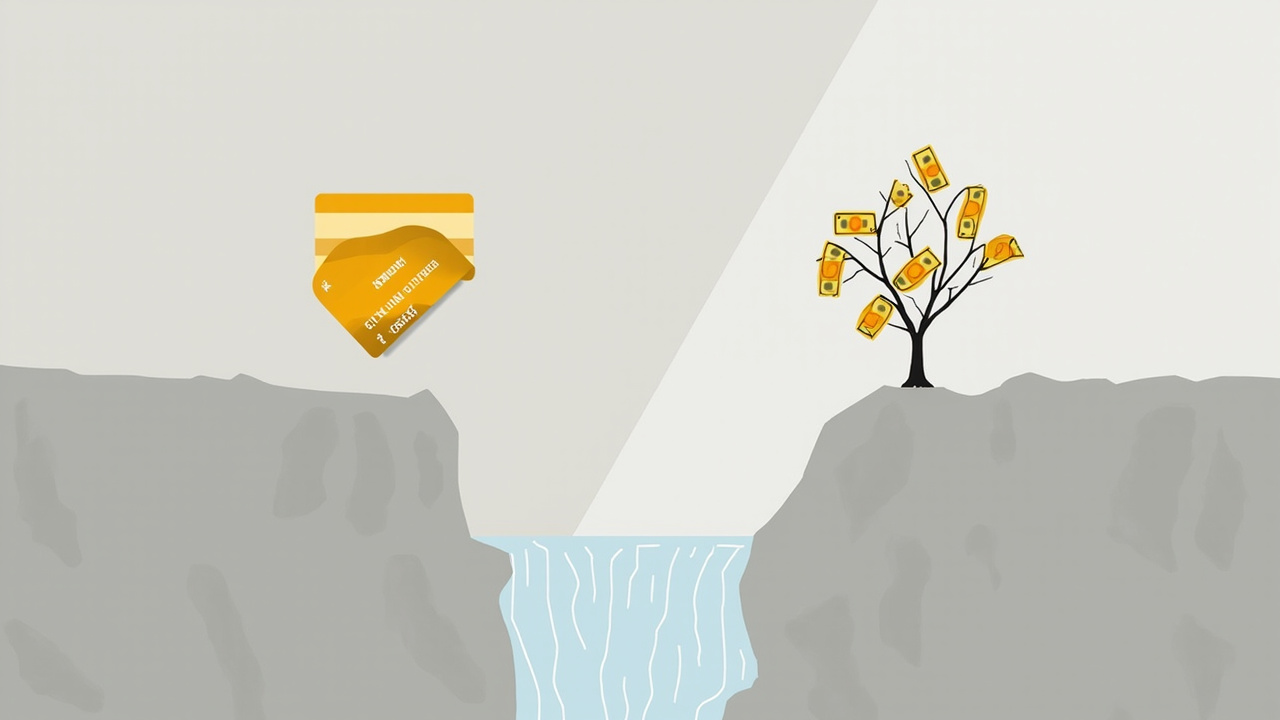
“0% installment” sounds like free money, but read the contract carefully: the cash price and the installment price are usually different. The cost of “0% interest” is that the merchant doesn’t earn interest from you, and that cost has already been baked into the sticker price.
What’s more dangerous is that once you get used to buying high-ticket items on installment, you’re effectively pre-assigning 12 to 24 months of your future cash flow to an asset that is depreciating. That is the real cost of 0% interest — not the interest itself, but “the opportunity for that money to work for you in the future that you just lost.”
5. Credit Card Revolving Interest: The Legal 18% Loan Shark
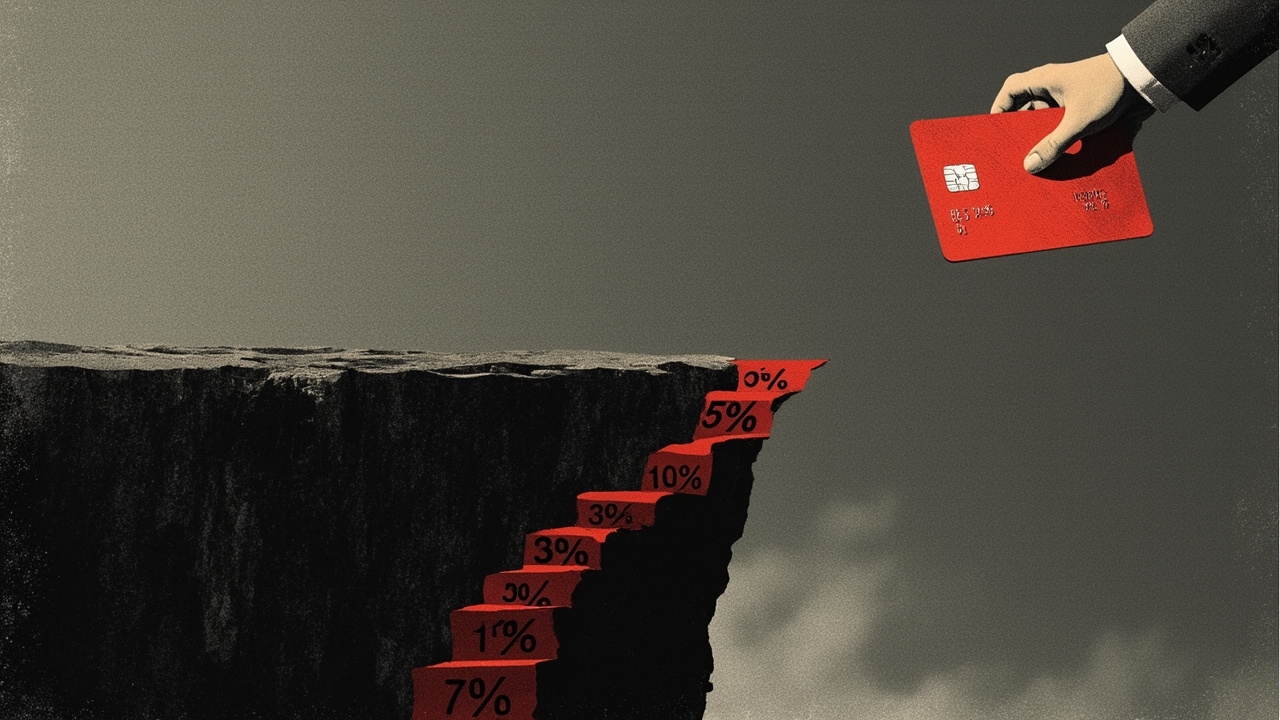
Taiwan’s statutory ceiling for credit card revolving interest is 15%, but real-world rates commonly run between 6.99% and 15%, with penalty fees going even higher. As long as you don’t pay the statement balance in full by the due date, the rest starts accruing interest at an annual rate of 6.99%–15%, and it’s charged daily.
For example, on a NT47,500 starts accruing interest at 15%. In one year, the interest alone can chew through more than NT$7,000 of principal. This isn’t the bank being shady; it’s a rule written plainly into the contract.
The most dangerous thing isn’t the interest itself; it’s that you “think you’re still in control.” The moment you start paying one card with another, or covering a bill with a cash advance, you’ve fallen into a structural trap.
Closing: Ask Yourself Three Questions Before You Buy
- Does this thing bring money back, or take it away?
- How much residual value will it still have five years from now?
- If this money went into your investment account, what could it be in ten years?
Wealth is never built by earning more; it’s built by making sure every dollar flows toward something that works for you. Plug the holes you can see, and the ones you can’t will start shrinking.
This article shares financial concepts, not investment advice. For real financial decisions, please assess based on your own risk tolerance and consult a qualified financial advisor.
Disclaimer: This article shares personal-finance concepts and compiled information. It does not constitute any specific investment, tax, or legal advice. Markets carry risk; invest carefully and use your own judgment based on your risk tolerance, and consult a qualified professional advisor.
Tags
假資產, Consumption Traps, 折舊率, 新車, 訂閱制, 分期付款, Credit Card Interest, 資產負債表, Financial Freedom, 財商, Saving Methods, 窮人思維
Comments