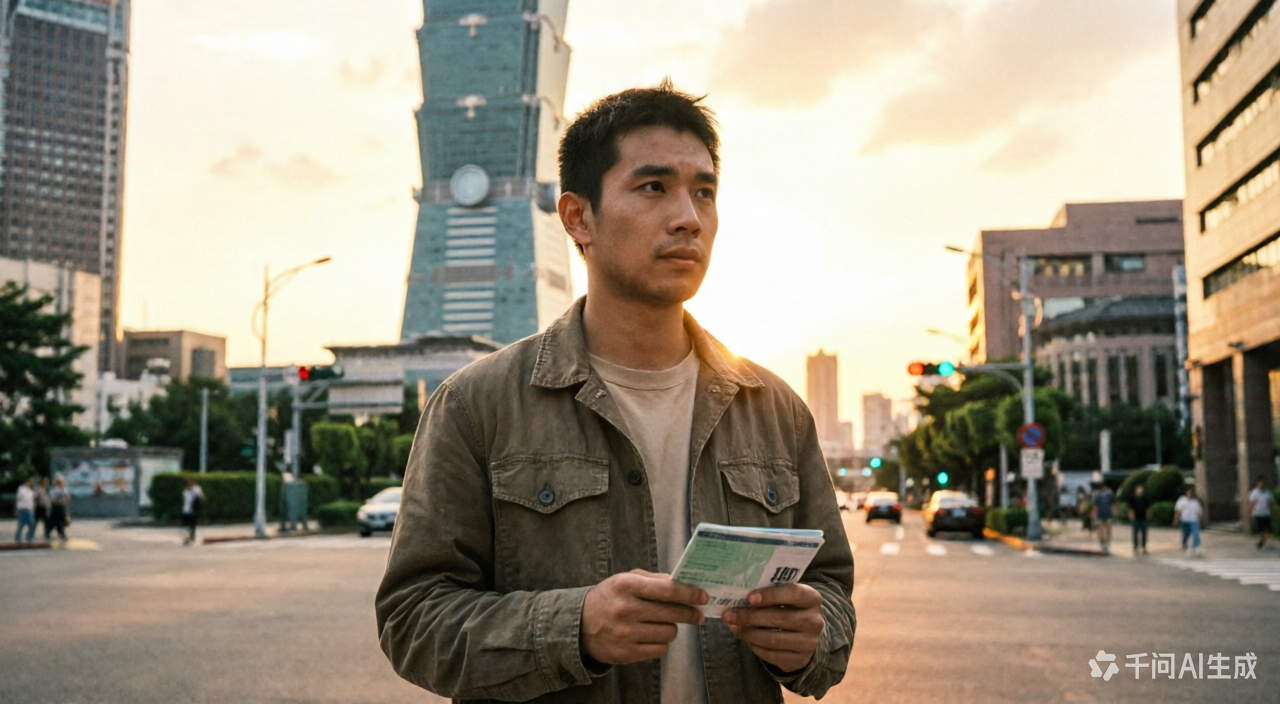
A Reluctant Home Purchase: A Seemingly Wrong Start
Flash back to 2006. Ah-Jie, a 32-year-old Taipei engineer earning about NT$800K per year, had saved NT$1 million for his upcoming wedding. Pressured by his girlfriend, he reluctantly used it as a down payment, taking out a mortgage on a NT$4 million two-bedroom apartment in New Taipei.

He wasn’t happy on closing day. Freedom gone, pressure doubled. More ironically, less than a year later, his girlfriend broke up with him — no wedding, but the mortgage remained.
He felt like a joke. For the next decade-plus, he didn’t start a business, didn’t trade stocks — just went to work every day and paid the mortgage. Life was so uneventful he almost forgot the apartment existed.
The NT$32 Million Shock: Is the Person Earning Money, or the Asset?
Fast forward to 2019. A real estate agent called asking if he wanted to sell. Ah-Jie casually asked about the market price and was stunned: the apartment he’d bought for NT$4 million was now worth NT$32 million.

After hanging up, Ah-Jie sat in silence. He realized that all the money he’d earned working hard over the past decade was less than what one apartment had earned.
For the first time, he seriously pondered: Am I earning money, or is the asset earning money for me?
After selling, NT$32 million sat in his account. But this was actually life’s most dangerous moment. Many think receiving a windfall is the happiest time — it’s actually when judgment is most easily clouded. The market loves harvesting people who walk in with large sums thinking they can’t lose.
Refusing Greed: A Seemingly Boring Decision
Facing this fortune, Ah-Jie didn’t gamble on hot small-caps or follow any “guru’s” insider tips. He was very clear about one thing: he didn’t have the ability to pick individual stocks.
So he made an incredibly boring decision: put most of his money into the Yuanta Taiwan 50 ETF (0050). Instead of betting on one company winning, he bought the top 50 companies in Taiwan.
During this period, he also deeply understood the terror of inflation. When a lunch box quietly rose from NT$80 to NT$110, he finally got it: things didn’t get more expensive — money got cheaper.
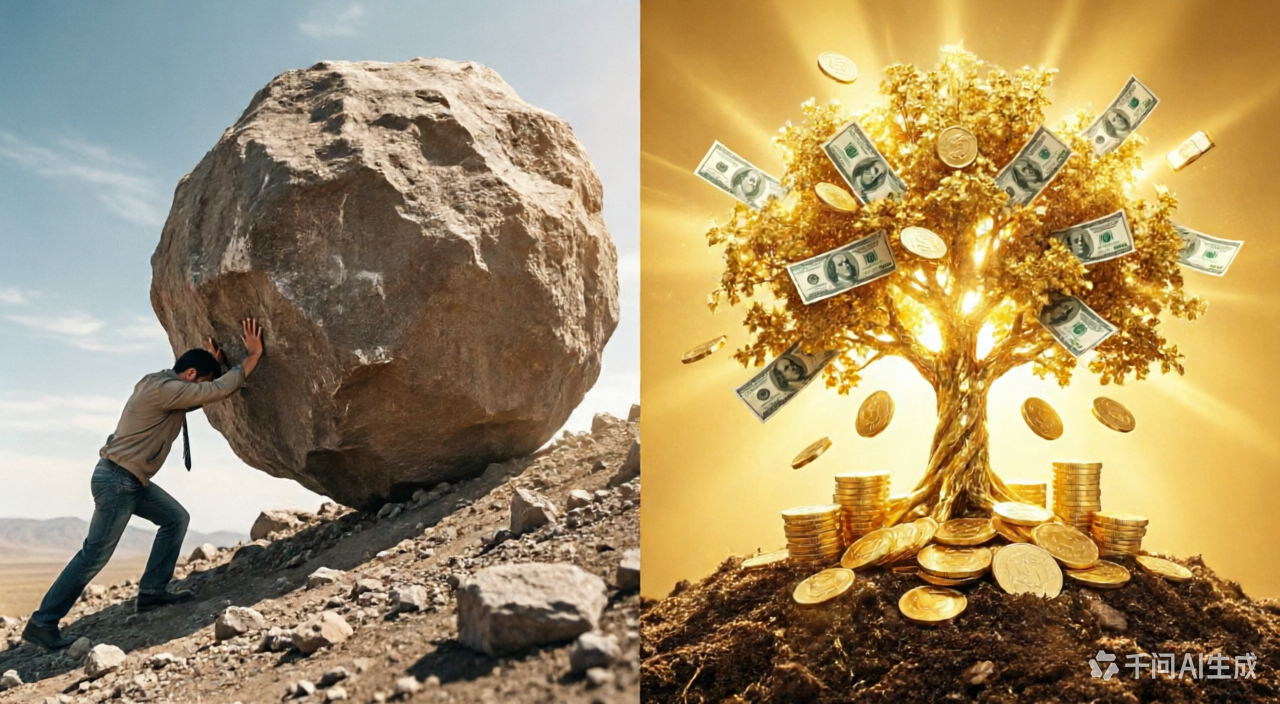
Imagine: if there are only 100 apples and NT$1 million in the market, each apple costs NT$10,000. But when the central bank prints another NT$1 million, there are still only 100 apples — prices naturally double.
The wealth game is never static. Standing still means you’re already falling behind. Asset holders enjoy compounding; those without assets bear inflation. After 20 years, the gap between the two becomes unimaginably large.
The Key to Keeping Wealth: Overcoming Four Human Traps
After 2020, the world faced pandemics, wars, inflation, and energy crises. Markets swung violently, and many people cracked under panic.
Ah-Jie stayed calm. He adjusted his asset allocation, shifting some ETF gains into gold. Gold doesn’t pay interest, but when people lose confidence and fear currency devaluation, it serves as a haven that has existed for thousands of years.

By 2025, Ah-Jie’s total assets officially broke NT$33 million. He got there not by making the right call every time, but by never making a fatal mistake — no high leverage, no borrowed money for investing, no insider tips.
Looking back over 20 years, he identified four traps that prevent ordinary people from building wealth:
First, fear. Selling at the bottom during market drops, unable to handle the pressure. The more it falls, the more scared you get; the more scared, the more you sell — turning temporary paper losses into permanent real losses.
Second, greed. Thinking making money is easy during bull runs, starting to borrow and leverage. Forgetting that the harder the market rises, the harder the correction hits.
Third, comparison. Watching friends buy houses and cars, colleagues doubling their investments. Anxiety kicks in and you start chasing highs, making investments you don’t understand. Comparison is the thief that steals rationality.
Fourth, impatience. Modern people want everything fast, wishing for financial freedom in a month. But the real compounding effect often doesn’t kick in until after the tenth year. Those “boring” years of waiting aren’t wasted time — they’re building momentum for the future.
Conclusion: Wealth’s Ultimate Meaning Isn’t the Number — It’s the Freedom to Choose
Today, Ah-Jie doesn’t live in a mansion or drive a sports car. He still takes the metro every day, drinks convenience store coffee, and lives an ordinary life.

After all this, he finally understood: Money was never the goal — it’s a tool. Investing is just a way to slowly grow that tool.
The real meaning of wealth isn’t making others think you’re successful — it’s having the freedom to choose. When work makes you unhappy, you can choose to leave. When family needs care, you can choose to be there. When opportunity knocks, you can choose to try — instead of being forced to give up everything because you have no money.
Wealth is a marathon, not a sprint.
If you were given NT$1 million today, would you buy a house, buy ETFs, buy gold, or keep it in the bank? Share your answer in the comments.
Disclaimer: This article presents financial perspectives in narrative form and does not constitute investment advice. Investing involves risk — please carefully evaluate your own financial situation and risk tolerance before entering the market.
Comments