Metaphysics
Beginner Mistakes: Common Errors in Destiny Analysis
Avoid the most common beginner mistakes in BaZi analysis. Learn why element counting, rigid rules, and fatalistic thinking create inaccurate destiny readings.
Ba Zi, Zi Wei Dou Shu, He Luo Li Shu, Qi Men Dun Jia
Avoid the most common beginner mistakes in BaZi analysis. Learn why element counting, rigid rules, and fatalistic thinking create inaccurate destiny readings.
The most practical use of Qi Men Dun Jia is "selecting time and direction" — at the right time, go in the right direction, do the right thing. This article covers daily applications: important meetings/interviews (seek Open, Rest, Life door directions), negotiation/contracts (Rest + Liu He), seeking wealth/business (Life + Zhi Fu), exams/interviews (View + Tian Fu + Tian Xin), seeking medical care (Tian Xin + Tian Rui, avoid Death). Plus the classic auspicious patterns (Green Dragon Returns, Flying Bird Falls into Nest, Three Mysteries Gain Officer) and inauspicious patterns (Tai Bai into Ying, Ying into Tai Bai, Flying Stem, Paradox).
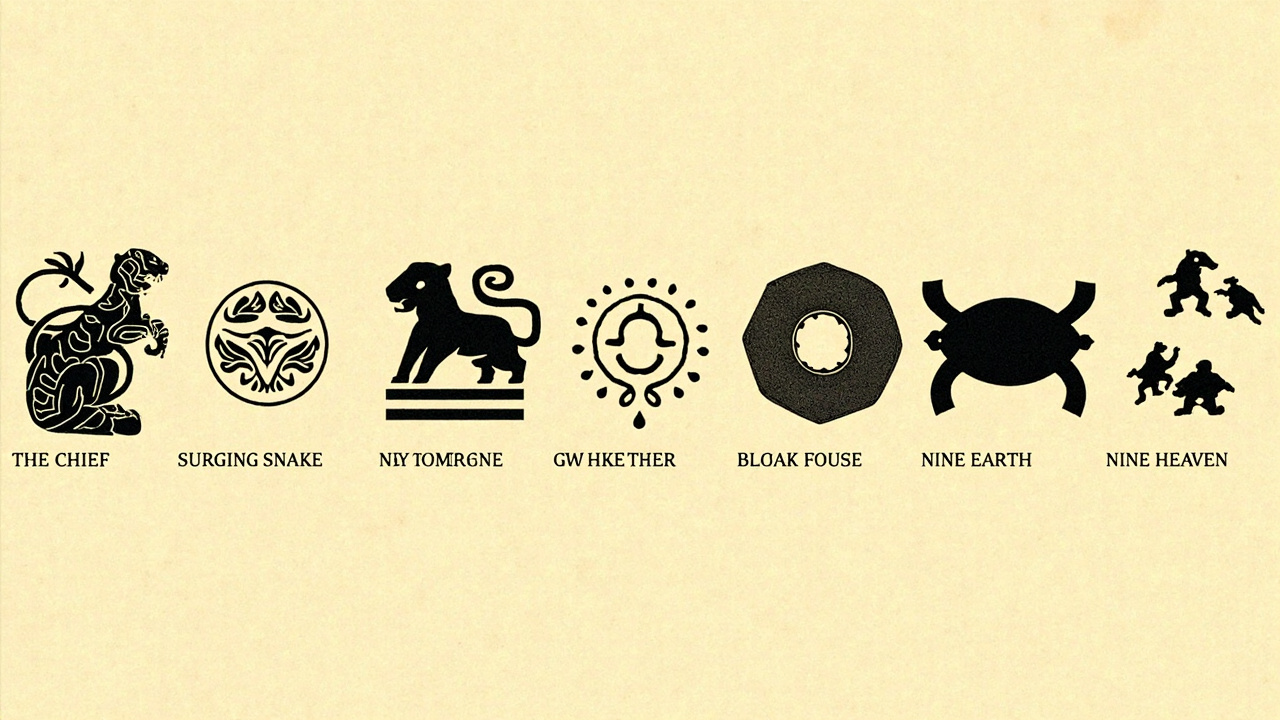
The Eight Spirits form the "spirit plate" of Qi Men Dun Jia, representing the hidden energies of the universe — the most uncanny and subtle part. This article provides a complete table of all eight spirits: Zhi Fu (noble, leadership, authority, order), Teng She (inauspicious, illusion, entanglement, dreams, deception), Tai Yin (auspicious, privacy, planning, subtlety, art, women), Liu He (auspicious, cooperation, marriage, intermediary, many, surrounding), Bai Hu (inauspicious, danger, injury, accidents, road, military), Xuan Wu (inauspicious, theft, deception, ambiguity, intelligence, speculation), Jiu Di (auspicious, stable, lasting, hidden, land, low-key, accumulation), Jiu Tian (auspicious, far-reaching, expansion, action, travel, fame, rising). Practical applications for relationships and travel included.
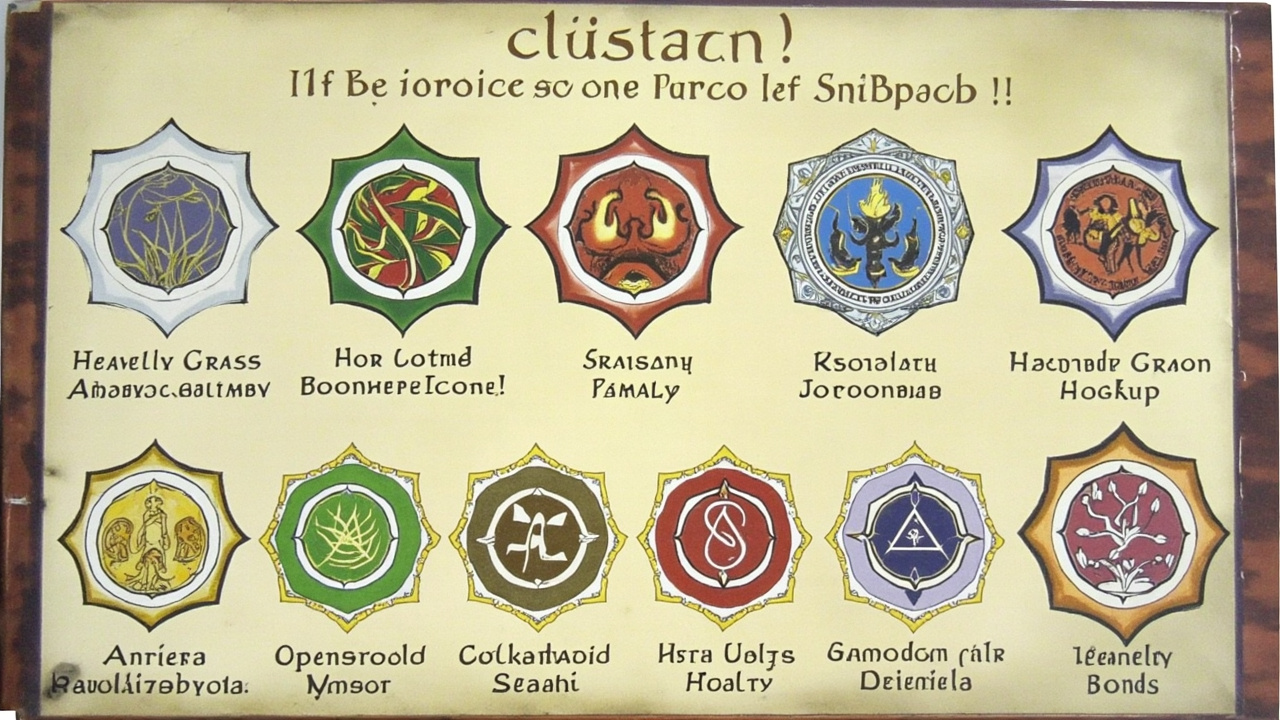
The Nine Stars form the "Heaven's plate" of Qi Men Dun Jia, representing the energy of heavenly timing. Each star has unique attributes and meanings: ⭐ Tian Peng (water, thief star), Tian Ren (earth, auspicious), Tian Chong (wood, auspicious), Tian Fu (wood, great auspicious), Tian Ying (fire, neutral), Tian Rui (earth, inauspicious), Tian Zhu (metal, inauspicious), Tian Xin (metal, great auspicious), Tian Qin (earth, great auspicious). This article also explains the Duty Star (Zhi Fu) and Duty Officer (Zhi Shi), and how to identify the core of any situation.
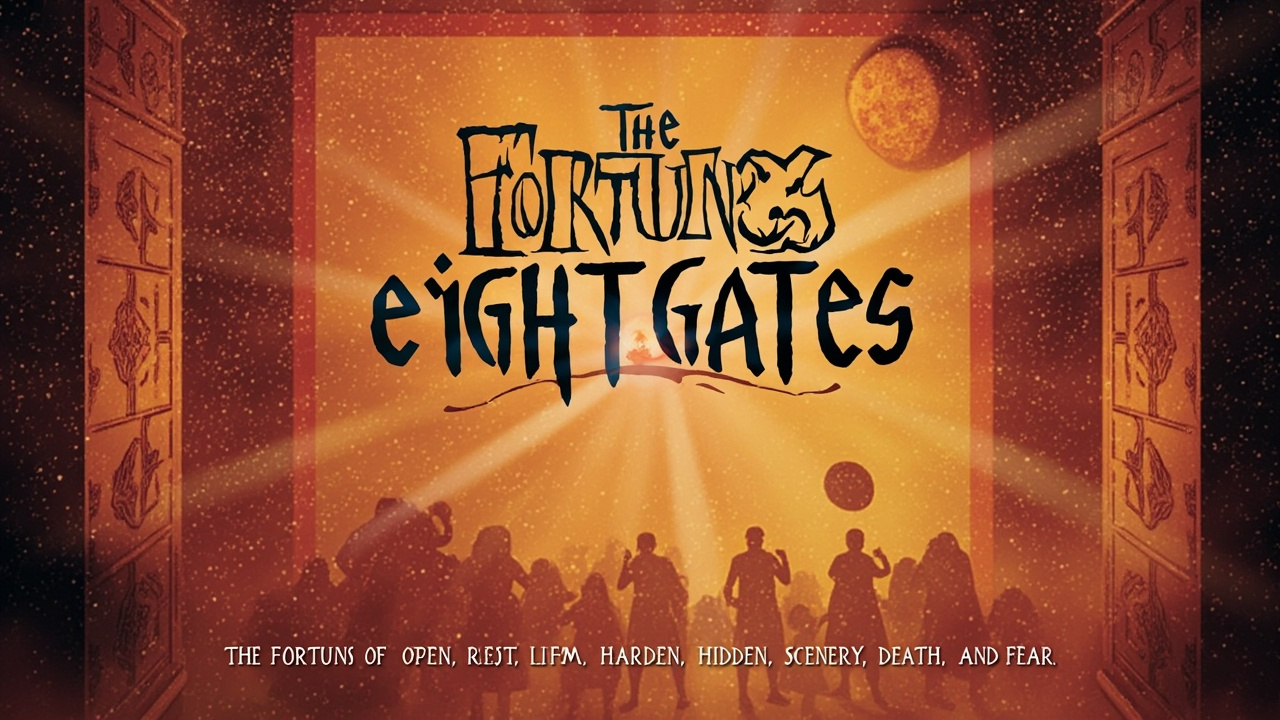
The Eight Doors form the "human plate" of Qi Men Dun Jia, representing the state and trend of human affairs. They are auspicious or inauspicious, and serve as a key indicator for whether matters will succeed. This article provides a complete table of all eight doors — Open (great auspicious, beginnings, career, official recognition), Rest (great auspicious, negotiation, romance, medical, travel), Life (great auspicious, wealth, business), Injury (inauspicious), Close (neutral), View (small auspicious), Death (great inauspicious), Fear (inauspicious) — plus practical guidance on which doors to seek for which purposes.
Qi Men Dun Jia is hailed as the "scholarship of emperors," an advanced metaphysical system historically used in military strategy. It combines astronomy, calendar systems, the Bagua, and the five elements into a kind of "time-space selection system" — choosing the right time, the right direction, and the right action. This article covers the core structure: the Three Mysteries (Yi, Bing, Ding), the Eight Doors, the Six Jia concealment, the Six Yi, and the three layers of the chart (Heaven's plate, Human's plate, Earth's plate).
Feng Shui is essentially environmental energy science, and Hetu Luoshu numerology is its mathematical foundation. Yang zhai (residential) feng shui focuses on the flow of qi, and the Nine Palaces are the tool for calculating the energy field. This article covers basic home feng shui principles (door, bedroom, kitchen, bathroom, living room) and the Nine-Flying-Stars annual feng shui changes (Star 1 White to Star 9 Purple).
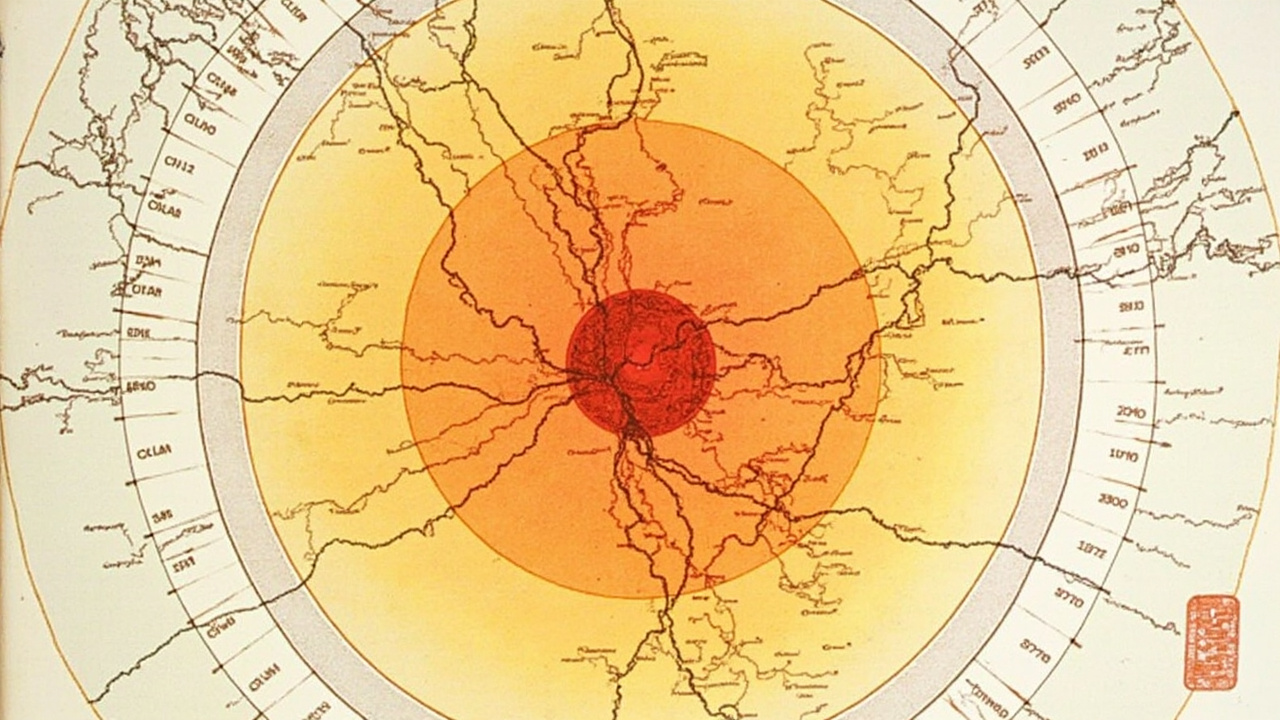
Your name is the symbol you use most in your life, and its energy influences your personality and fortune. Hetu-Luoshu name studies uses Kangxi dictionary stroke counts mapped to five-element numerology. This article covers the stroke-to-element mapping, the Five-Pattern Schema (Heaven, Person, Earth, Total, Outer patterns), and the five principles for changing your name — most important: "you have to actually use it for it to work."
Every number carries energy, and Hetu Luoshu numerology reads the universe's patterns through numbers. This article analyzes the elemental meanings of the nine digits 1–9: 1 Kan water (wisdom, independence, leadership) through 9 Li fire (light, passion, success), and how to apply this knowledge to phone numbers, addresses, and license plates.
The Bagua (eight trigrams) is the foundation of the I Ching. Fuxi drew the Pre-Heaven Bagua, and King Wen developed the Post-Heaven Bagua. This article explains the yin-yang pairs of the pre-heaven trigrams (Qian South vs Kun North, Li East vs Kan West, etc.) and the five-element directions of the post-heaven trigrams, with a complete table mapping each trigram to its element, family role, and body part.